
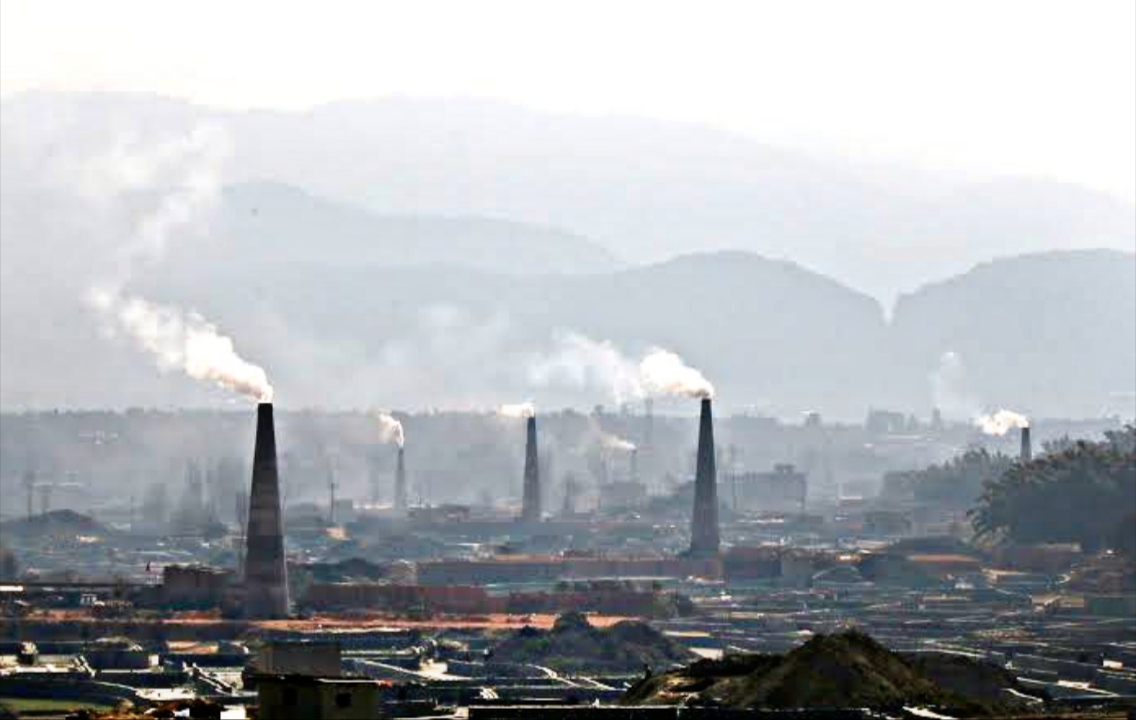
ASIATODAY.ID, KATHMANDU — Air pollution is the number one risk factor for death and disability in Nepal. Single-sector solutions are not sufficient to meet any clean air target.
Public policy and investment need to optimize air quality actions across sectors, prioritizing those with the most cost-effective solutions, says the World Bank in a new report.
The report, Towards Clean Air in Nepal: Benefits, Pollution Sources, and Solutions, serves as a foundational assessment of air pollution in the country and the airshed of the Indo-Gangetic Plain and Himalayan Foothills (IGP-HF).
The Kathmandu Valley and the Terai are Nepal’s air pollution hotspots, with no significant improvement over the past decade. Air pollution reduces life expectancy by 3.4 years for the average Nepali and causes approximately 26,000 premature deaths annually.
In addition to health, air pollution impacts labor productivity, tourism, and the aviation sector. The economic cost of poor air quality is equivalent to more than 6 percent of Nepal’s Gross Domestic Product (GDP) each year.
“Clean air and economic growth are not in conflict. In fact, the cost of inaction on pollution is far greater than the cost of taking bold steps today,” said Hon. Ain Bahadur Shahi Thakuri, Minister for Forests and Environment, June 17, 2025.
“From setting stricter industrial emission standards to promoting electric transport, the government is committed to cleaning Nepal’s air.”
The multi-sectoral and multi-regional nature of air pollution requires action on many fronts:
– Vehicle Emissions: Continuing to electrify vehicle fleets, including cars, motorcycles, buses, and trucks is critical to address air pollution. This needs to be complemented by strengthening the vehicle inspection and maintenance system and reducing road dust.
– Industrial Emissions: Support for cleaner technology and fuel adoption in industries—including electric and pellet boilers and furnaces in small and medium enterprises—will help promote cleaner industries. Industrial facilities such as brick and cement factories also need to be supported to burn cleaner and more efficient fuels.
– Household Cooking: Supporting households to adopt cleaner and, preferably, electric cookstoves is key to cutting household sources of air pollution. Biomass-fueled stoves create both indoor and ambient air pollution.
– Forest fires: Forest fire prevention by reducing the fuel load and developing effective awareness programs is critical for reducing the likelihood of forest fires. Effective response systems to put out fires are also needed.
– Transboundary pollution: Partnering effectively with neighboring countries is critical. Transboundary airflows carry pollutants across borders. The Indo-Gangetic Plain and Himalayan Foothills Region shares an airshed, meaning that pollutants can travel across borders, affecting air quality in multiple countries. Nepal’s unique geographical location, particularly the bowl-shaped Kathmandu Valley surrounded by mountains, exacerbates the problem.
“The World Bank is committed to helping Nepal strengthen its air quality improvement programs by leveraging financial and technical assistance and capacity-building support,” said David Sislen, World Bank Country Division Director for Maldives, Nepal, and Sri Lanka.
“As a steadfast champion of clean air for better health and prosperity, the World Bank continues to tap into its extensive knowledge and experience from around the world to ensure that our efforts to support cleaner air in Nepal are impactful and sustainable.” (AT Network)
Follow Us at Google News and WA Channel