
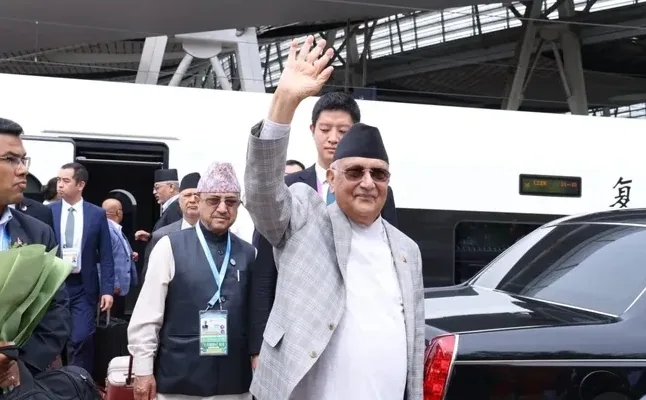
ASIATODAY.ID, KATHMANDU – Nepal’s Prime Minister KP Sharma Oli resigned on Tuesday, September 9, 2025, just a day after one of the deadliest crackdowns on protesters in recent years, which left at least 19 people dead.
The sudden resignation followed massive demonstrations sparked by the government’s ban on social media platforms and widespread anger over rampant corruption.
In a resignation letter addressed to the President of Nepal, Oli stated that his decision was aimed at paving the way for a broader political solution.
“I have resigned from the post of prime minister effective today… to take further steps toward a political solution and the resolution of ongoing issues,” Oli wrote.
Protests Fueled by Social Media Ban and Corruption
The protests erupted on Monday, September 8, with demonstrators demanding that the government lift the social media ban and tackle corruption. Although the government later restored access to blocked apps, public outrage only intensified.
According to Amnesty International, security forces used live ammunition against protesters, resulting in multiple deaths and injuries.
Nepal’s Political Instability
Oli, 73, began his fourth term last year after his Communist Party formed a coalition with the centrist Nepali Congress. However, growing dissatisfaction has persisted due to:
Entrenched corruption
Slow economic development
Unemployment rate of around 10%
Low GDP per capita (USD 1,447, World Bank data)
Nepal, home to about 30 million people, has a youthful population, with those aged 15–40 making up roughly 43% of the total. This generation has become the driving force behind the protests.
A History of Political Turmoil
Nepal transitioned into a federal republic in 2008 after a decade-long civil war and the abolition of its monarchy. Since then, frequent changes in leadership and political bargaining have fueled public perceptions that the ruling elite are out of touch with ordinary citizens.
Recently, viral TikTok videos showing the lavish lifestyles of politicians’ children compared to the struggles of everyday Nepalese further inflamed public anger, intensifying calls for systemic change. (AT Network)
Follow Us at Google News and WA Channel