
ASIATODAY.ID, JAKARTA — Indonesia has once again asserted its influence on the global stage, successfully safeguarding key national interests at the Convention on International Trade in Endangered Species of Wild Fauna and Flora (CITES).
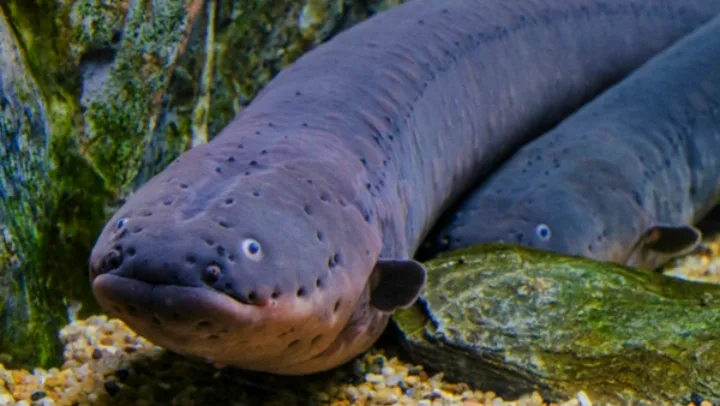
Through active diplomacy led by the Ministry of Marine Affairs and Fisheries (KKP), Indonesia prevented the inclusion of eel (Anguilla spp.) and sea cucumber species Actinopyga spp. in the list of internationally restricted species.
The outcome was secured during Indonesia’s participation in the 79th and 80th CITES Standing Committee meetings and the 20th Conference of the Parties (COP20), recently held in Samarkand, Uzbekistan. The global forum brought together more than 3,400 delegates from 163 countries, along with hundreds of international organizations, UN agencies, and conservation stakeholders.
National Interests Successfully Defended
COP20 resulted in agreements on more than 120 key agenda items, including 51 amendments to the CITES Appendices, hundreds of decisions, and several resolutions governing international wildlife trade. These measures aim to balance conservation objectives with sustainability principles, socio-economic considerations, and equitable benefits for communities.
Indonesia recorded a significant diplomatic achievement by rejecting proposals to list eel and Actinopyga sea cucumbers under Appendix II of CITES. The decision is considered strategic, as both commodities contribute over IDR 120 billion (approximately USD 7.7 million) annually to Indonesia’s trade value and support the livelihoods of coastal communities.
The move reflects Indonesia’s consistent position that conservation measures must be grounded in science while ensuring economic sustainability.
New Global Rules for Aquatic Species
Despite the success in protecting eel and sea cucumber trade, COP20 also adopted new regulatory measures for other aquatic species. These include the up-listing of several shark and ray species, the application of zero-export quotas for certain taxa, and stronger requirements for science-based trade mechanisms through Non-Detriment Findings (NDF) and Legal Acquisition Findings (LAF).
“Indonesia is committed to ensuring that marine species management and trade strike a balance between ecosystem protection and the sustainability of coastal livelihoods,” said Koswara, Director General of Marine Spatial Management at the Ministry of Marine Affairs and Fisheries, in an official statement in Jakarta quoted on Monday, December 29, 2025.
He emphasized that COP20 outcomes serve as a critical momentum for strengthening national governance, including regulatory adjustments, enhanced trade monitoring systems, and improved compliance with international agreements.
Indonesia’s Strategic Role Extended to COP21
Meanwhile, Sarmintohadi, Director of Species and Genetic Conservation at KKP, noted that Indonesia’s participation at CITES extends beyond decision-making to sharing best practices in conservation, including the management of seahorses, marine ornamental fish, and the integration of habitat quality into sustainability frameworks.
Indonesia’s global standing was further reinforced by its election as a member of the CITES Plant Committee and an alternate member of the Standing Committee until COP21. This strategic position allows Indonesia to play a direct role in shaping international policies, scientific standards, and regulatory frameworks governing the trade of plants, wildlife, and fish.
“Going forward, KKP will follow up on COP20 outcomes through stakeholder outreach, regulatory alignment, and strengthened diplomatic positioning ahead of future CITES agendas, including COP21,” Sarmintohadi said. (AT Network)
Follow Us at Google News and WA Channel