
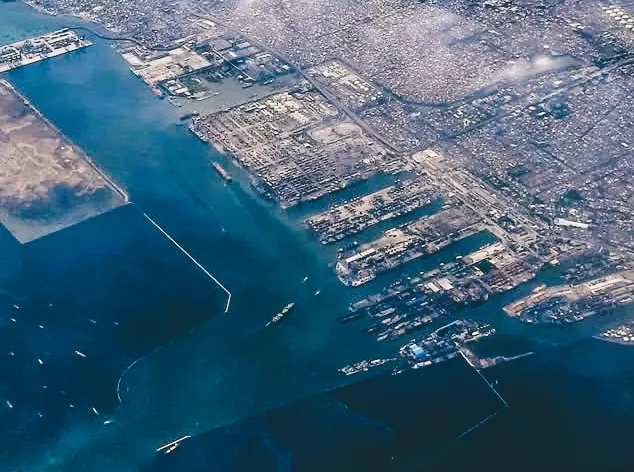
ASIATODAY.ID, JAKARTA — The Jakarta Provincial Government has placed seven coastal areas on tidal flood (rob) alert until January 7, 2026, as extreme sea tides driven by the full moon and perigee (supermoon) raise the risk of seawater inundation across the capital’s northern coastline.
The warning underscores Jakarta’s growing vulnerability as one of the fastest-sinking coastal megacities in the world, echoing recent alerts issued by NASA over the future of Asia’s low-lying urban centers.
Jakarta Deploys Pumps, Floodgates, and Emergency Sea Barriers
Through the Jakarta Water Resources Agency, authorities have activated a series of preventive measures to reduce the impact of tidal flooding. These include the deployment of stationary and mobile water pumps, floodgates, emergency sea embankments, and the mobilization of the agency’s rapid-response unit, known locally as the Blue Task Force.
Head of the Jakarta Water Resources Agency, Ika Agustin Ningrum, said all available resources have been placed on standby.
“We have prepared pumping stations, mobile pumps, floodgates, and field teams to respond swiftly and minimize seawater intrusion into residential areas,” she said on Saturday, January 3, 2026.
The pump houses and flood control facilities currently on alert include: Marina Floodgate, Pluit Reservoir Pump Station, Kali Asin Polder Pump, Ancol Pump Station, PIK Junction Pump, Muara Angke Pump Station, Pasar Ikan Pump Station and Tanjungan Pump Station.
As a short-term solution, the city has also constructed temporary sea embankments while awaiting completion of the National Capital Integrated Coastal Development (NCICD) giant sea wall project.
Emergency embankments have been built in: Muara Angke, Muara Baru, Sunda Kelapa, R.E. Martadinata Road (in front of Jakarta International Stadium/JIS) and Marunda Pulo.
“These measures are expected to hold back seawater and ensure coastal communities can continue their daily activities safely,” Ika added.
BMKG and Disaster Agency Warn of Peak Tides
Meanwhile, the Jakarta Disaster Management Agency (BPBD) has issued a coastal flood alert based on data from the BMKG Maritime Meteorological Station at Tanjung Priok.
BPBD Chief Isnawa Adji said the combination of peak tides and the supermoon could significantly raise sea levels.
“The highest tides are expected between 6:00 a.m. and 12:00 p.m. local time, and residents in coastal areas should remain highly vigilant,” he warned.
NASA Warns: Jakarta at Risk as Asia’s Coastal Cities Face Extreme Flooding
Jakarta’s recurring tidal floods align with a broader warning from NASA, which has cautioned that global sea levels could rise between 0.9 and 1.8 meters by the end of this century, potentially submerging major coastal cities across Asia.
According to Sciencing (January 1, 2026), Jakarta’s land and water levels are rising at an alarming rate of approximately 17 centimeters per year, placing the city among the world’s most rapidly sinking urban areas. Built on low-lying reclaimed wetlands, intersected by 13 rivers, and bordering the Java Sea, Jakarta faces extreme exposure to rising seas.
The city’s history of catastrophic flooding is already well documented. In 2007, floods killed at least 80 people and caused hundreds of millions of dollars in damage. These escalating risks were among the key factors behind Indonesia’s decision to relocate its capital to Nusantara (IKN) in 2022, with full development targeted for completion by 2045.
Asia’s Most Vulnerable Coastal Cities
Beyond Jakarta, climate and space agencies identify several other Asian cities as facing severe coastal threats:
– Bangkok, Thailand — coastline retreating by up to 1 kilometer per year.
– Manila, Philippines — subsiding nearly 10 centimeters annually, worsened by massive mangrove loss.
– Kolkata, India — threatened by chronic flooding and excessive groundwater extraction.
– Yangon, Myanmar — exposed to tidal flooding and tectonic risks.
– Semarang and Surabaya, Indonesia — increasingly frequent tidal floods and sea-level rise impacts.
Time is Running Out
Scientists warn that while sea-level rise is gradual, its consequences are irreversible. Without urgent action—such as strengthening sea walls, upgrading urban drainage systems, restoring mangroves, and sharply reducing carbon emissions—Jakarta and many of Asia’s coastal cities risk permanent land loss and long-term displacement. (AT Network)
Follow Us at Google News and WA Channel