
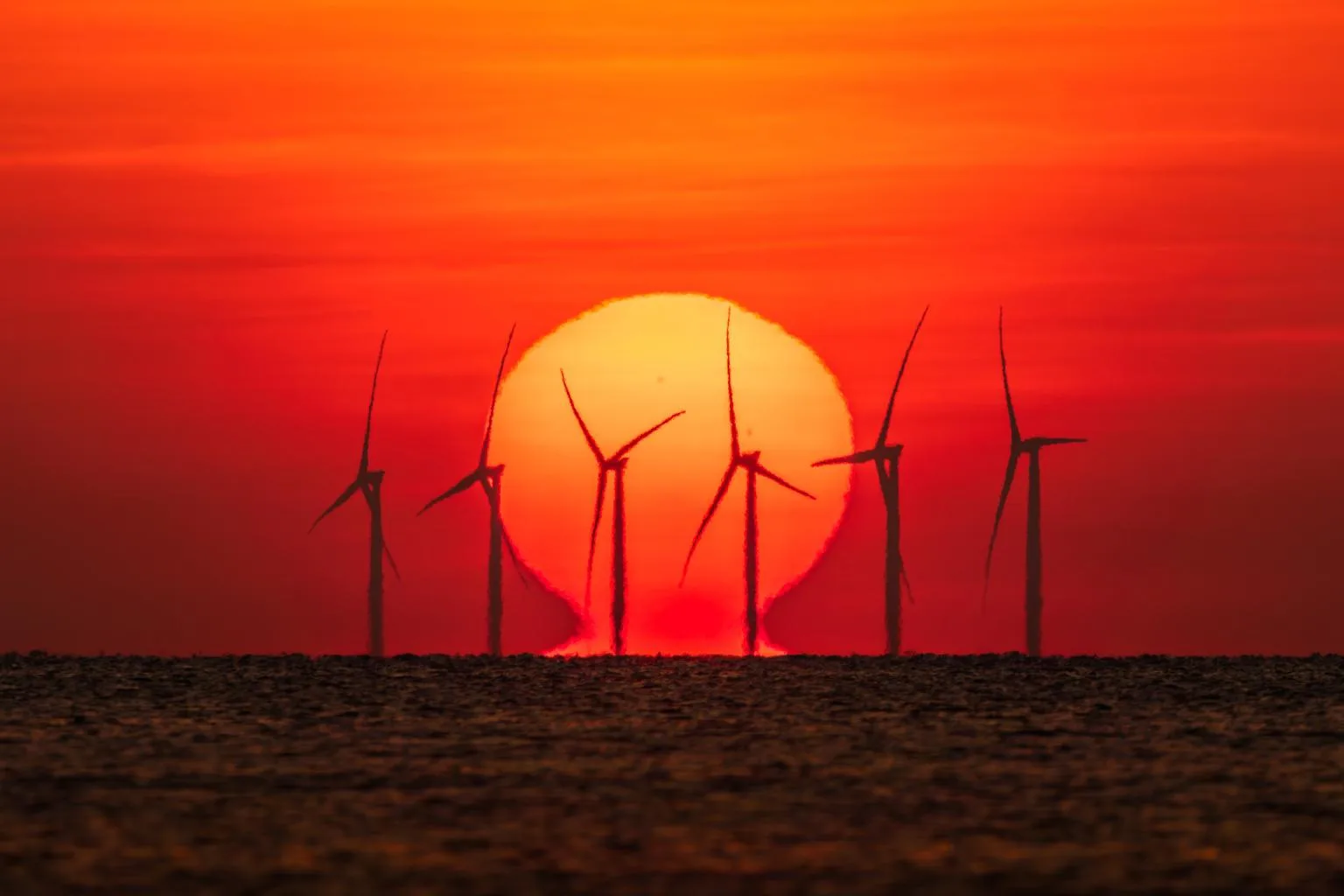
ASIATODAY.ID, GENEVA — Climate variability and long-term climate change are increasingly shaping the performance and reliability of renewable energy systems worldwide, according to the WMO–IRENA Climate-driven Global Renewable Energy Resources and Energy Demand Review: 2024 Year in Review, released by the World Meteorological Organization (WMO) and the International Renewable Energy Agency (IRENA).
In 2024—the warmest year on record, with global temperatures 1.55°C above pre-industrial levels—regional shifts in solar, wind, and hydropower potential were pronounced, alongside a 4% increase in climate-driven energy demand versus the 1991–2020 average.
Global renewable capacity has now exceeded 4,400 GW, magnifying the impact of climate on energy systems like never before.
“Climate variability is no longer a background factor; it is a defining operational challenge for the energy sector,” said Prof. Celeste Saulo, WMO Secretary-General quoted on Monday, January 19, 2026.
“Integrating climate intelligence and early warnings is critical to ensuring renewable systems remain reliable and resilient.”
Climate Extremes Amplify Energy Stress
Using four core indicators—wind and solar capacity factors, a rainfall-based hydropower proxy, and temperature-driven energy demand—the report shows that residual El Niño, record ocean heat, and long-term warming produced stark regional contrasts in 2024:
– Southern Africa: Wind +8–16%, solar +2–6%, hydropower below average for the third year, energy demand at record highs
– South Asia: Wind and solar underperform, cooling demand surged (+16% anomaly in October)
– East Africa: Hydropower above average due to heavy rainfall
– South America: Reduced hydropower and high demand under hot, dry conditions
Seasonal Forecasts as a New Tool
For the first time, the report assesses seasonal climate forecast skill for energy indicators. The ECMWF system successfully predicted regional anomalies in solar potential and electricity demand months ahead, supporting load management, reservoir operations, infrastructure planning, and cross-border electricity trade, reducing supply and demand volatility.
Policy, Investment, and NDC Implications
The report emphasizes strengthening climate-informed energy planning for long-term low-emission strategies (LT-LEDS) and NDC targets:
– Enhance climate data and observation systems
Expand regional climate services and early warning systems
– Integrate seasonal forecasts into decision-making
– Design climate-resilient energy targets aligned with the Paris Agreement and COP28
“The global energy transition is unstoppable but must be grounded in climate reality,” said Francesco La Camera, IRENA Director-General.
“Understanding climate variability is essential for smart investment, energy security, and ensuring renewable capacity delivers reliable power under real-world conditions.”
By bridging meteorology and energy planning, the WMO–IRENA 2024 Year in Review offers actionable insights to build resilient, reliable, and equitable clean energy systems as renewable deployment accelerates worldwide. (AT Network)
Follow Us at Google News and WA Channel