
ASIATODAY.ID, JAKARTA — Indonesia has retained its status as an emerging market in MSCI’s latest market accessibility review, but the global index provider has raised concerns over transparency and information flow, prompting the government to accelerate capital market reforms aimed at preserving investor confidence.
In its 2026 Global Market Accessibility Review, released on June 18, MSCI maintained Indonesia’s classification as an emerging market while downgrading the country’s assessment in the Information Flow category from “+” to “−”. The adjustment does not affect Indonesia’s current market classification but highlights areas where reforms are needed.
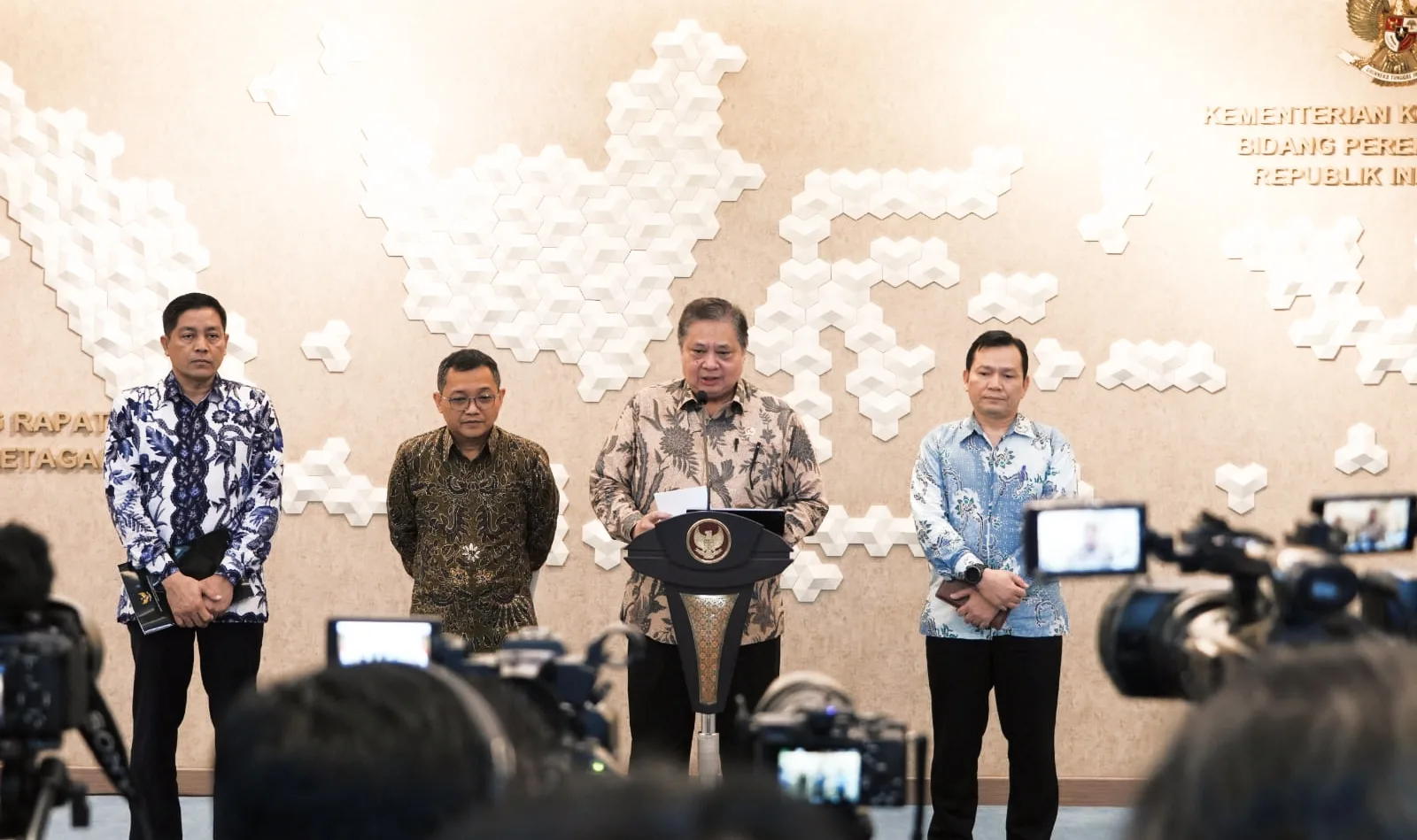
Indonesia Coordinating Minister for Economic Affairs Airlangga Hartarto said the review confirms that Indonesia’s market fundamentals remain strong, with concerns centered on transparency and market integrity rather than market access or foreign ownership restrictions.
“The MSCI assessment reinforces the strength of Indonesia’s economic fundamentals and market accessibility. The areas identified relate to transparency and market integrity, where the government, together with regulators and the Indonesia Stock Exchange, has already implemented significant reforms,” Airlangga said on Friday.
MSCI noted that Indonesia continues to meet key criteria related to market size, liquidity, and accessibility. The review also found no major concerns regarding foreign ownership restrictions, an issue that has affected some emerging markets in previous assessments.
Instead, MSCI highlighted the need for greater disclosure of ownership structures and stronger safeguards to ensure fair price formation in the equity market. The index provider also pointed to the importance of expanding the availability of market information in English to improve accessibility for international investors.
The government views these observations as consistent with ongoing reform efforts led by the Financial Services Authority (OJK) and the Indonesia Stock Exchange (IDX).
Among the measures already implemented or under way are an increase in minimum free-float requirements from 7.5% to 15%, enhanced disclosure of ultimate beneficial ownership, mandatory publication of shareholders owning more than 1% of listed companies, accelerated demutualization of the stock exchange, deeper institutional participation in equity markets, and stronger enforcement of corporate governance standards.
Officials argue that these reforms are supported by a stable macroeconomic environment characterized by controlled inflation, a resilient currency, and prudent fiscal and monetary policies.
Indonesia and Türkiye were the only two emerging markets to experience an accessibility-rating adjustment in MSCI’s 2026 review. However, neither country saw a change in market classification.
MSCI is scheduled to announce its annual market classification review on June 23, a closely watched event among global fund managers and institutional investors.
The Indonesian government has urged market participants to remain calm, emphasizing that the latest review represents a reform challenge rather than a threat to the country’s emerging-market status.
Officials also pledged continued engagement with MSCI and the international investment community as Jakarta pushes forward with efforts to strengthen transparency, governance, and market credibility.
For investors, the message from Jakarta is clear: Indonesia remains firmly in the emerging-market camp, but the race to improve transparency and deepen capital-market reforms is far from over. (AT Network)
Follow Us at Google News and WA Channel