
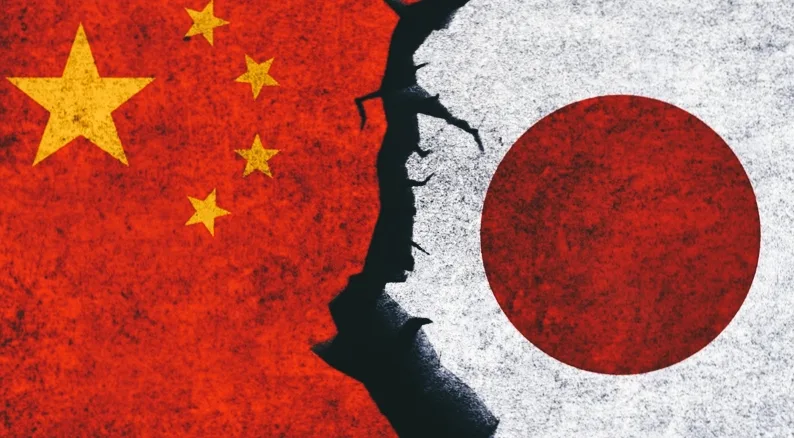
ASIATODAY.ID, BEIJING — Tensions between Asia’s two largest economies have intensified after China imposed fresh export restrictions on 20 Japanese companies, marking another significant escalation in the strategic rivalry between Beijing and Tokyo.
China’s Ministry of Commerce on Monday announced that the 20 Japanese entities had been added to its export control blacklist, effectively prohibiting Chinese suppliers from exporting dual-use goods, technologies, and software to the companies. The move targets products with both civilian and military applications, underscoring Beijing’s growing willingness to use trade restrictions as a geopolitical tool.
According to the ministry, the sanctions were imposed “to safeguard national security and national interests” while fulfilling China’s international non-proliferation obligations. Beijing accused the affected companies of contributing to Japan’s expanding military capabilities.
The newly sanctioned entities include defense research organizations and major technology firms supplying Japan’s defense industry. Among the most prominent are the National Institute for Defense Studies and defense-related subsidiaries of Mitsubishi Electric, reflecting China’s focus on organizations involved in military research, advanced electronics, and aerospace technologies.
The latest measures deepen a diplomatic dispute that has steadily worsened since late 2025. Relations deteriorated after Japanese Prime Minister Sanae Takaichi suggested Tokyo could respond militarily if China launched an attack against Taiwan—a statement Beijing condemned as interference in its internal affairs.
China had already introduced restrictions earlier this year by limiting exports of strategic dual-use products to dozens of Japanese firms. Monday’s announcement significantly expands those controls.
A spokesperson for China’s Ministry of Commerce accused Japan of accelerating what Beijing described as “new militarism,” arguing that Tokyo has increasingly deviated from its post-war security posture.
“China’s measures are fully justified, reasonable, and lawful,” the spokesperson said, while insisting that normal commercial trade between the two countries would continue unaffected.
Rare Earth Leverage
The export controls carry significant implications because China dominates the global production and processing of rare earth elements—critical materials used in electric vehicles, semiconductors, smartphones, aerospace systems, missile guidance technologies, and advanced defense equipment.
Earlier this year, Beijing also formally prohibited exports of dual-use goods destined for Japanese military users or organizations contributing to Japan’s defense modernization. Companies or individuals violating the restrictions could face legal consequences under Chinese export control regulations.
Japan Responds
Tokyo has strongly protested the sanctions, calling them discriminatory and inconsistent with international trade practices.
Japan’s Foreign Ministry urged Beijing to immediately revoke the restrictions, describing the measures as “completely unacceptable” and expressing deep regret over China’s decision to single out Japanese companies.
The dispute comes as Japan continues expanding its defense spending. Tokyo recently approved a record defense budget of approximately ¥9 trillion (around US$58 billion), representing a 3.8 percent increase from the previous year.
Chinese state media have repeatedly criticized Japan’s defense expansion, warning that Tokyo is abandoning decades of military restraint through higher defense spending, relaxed arms export rules, and the development of offensive military capabilities.
Regional Implications
The latest export restrictions highlight the growing intersection of trade, technology, and national security in East Asia. Analysts warn that continued retaliation between China and Japan could further disrupt regional supply chains, particularly in high-tech manufacturing, semiconductors, rare earth processing, electric vehicles, and defense industries.
As geopolitical competition intensifies, the dispute also raises broader concerns about the fragmentation of global technology supply chains and the increasing use of export controls as strategic economic weapons. (AT Network)
Follow Us at Google News, WA Channel, and LinkedIn