
ASIATODAY.ID, MOSCOW – The global energy landscape is undergoing another major shift. While Western nations continue to tighten sanctions on Russia, India has pushed its imports of Russian crude oil to an all-time high.
At the same time, the European Union is heading toward a potentially severe gas shortage ahead of winter, highlighting a widening divergence in energy strategies between Asia and Europe.
Preliminary data from Kpler and LSEG show that Indian refiners imported approximately 2.70 million barrels per day (bpd) of Russian crude in June 2026, a sharp increase from 2.13 million bpd in May and the highest monthly volume since Russia emerged as India’s leading oil supplier.
The surge came despite the expiration of a U.S. sanctions waiver covering certain Russia-related energy transactions on June 17.
Russian crude accounted for more than half of India’s total oil imports in June, up significantly from 36.5% in the previous month.
Earlier, Kpler projected that India’s June imports of Russian oil would exceed 2.35 million bpd, supported by attractive price discounts and robust domestic fuel demand.
As the world’s third-largest energy importer, India has increasingly diversified its crude supply following disruptions to oil, LNG, and LPG shipments from the Gulf region caused by escalating tensions in the Middle East.
The situation intensified as military conflicts involving the United States, Israel, and Iran disrupted energy flows through the Strait of Hormuz, a strategic waterway that previously carried nearly one-fifth of global energy shipments. The disruptions briefly sent international oil prices sharply higher.
Since the outbreak of the Russia-Ukraine conflict in 2022, India has steadily expanded purchases of discounted Russian crude after many European buyers reduced imports from Moscow.
Europe Heads Into Winter With Its Lowest Gas Reserves in 15 Years
While India has strengthened its energy security through discounted Russian supplies, the European Union faces a far more challenging outlook.
According to a Financial Times report citing energy consultancy Wood Mackenzie, EU gas storage facilities are expected to reach only 76% of capacity by the end of the April-to-October refill season. If realized, this would mark Europe’s lowest pre-winter gas inventory since 2011.
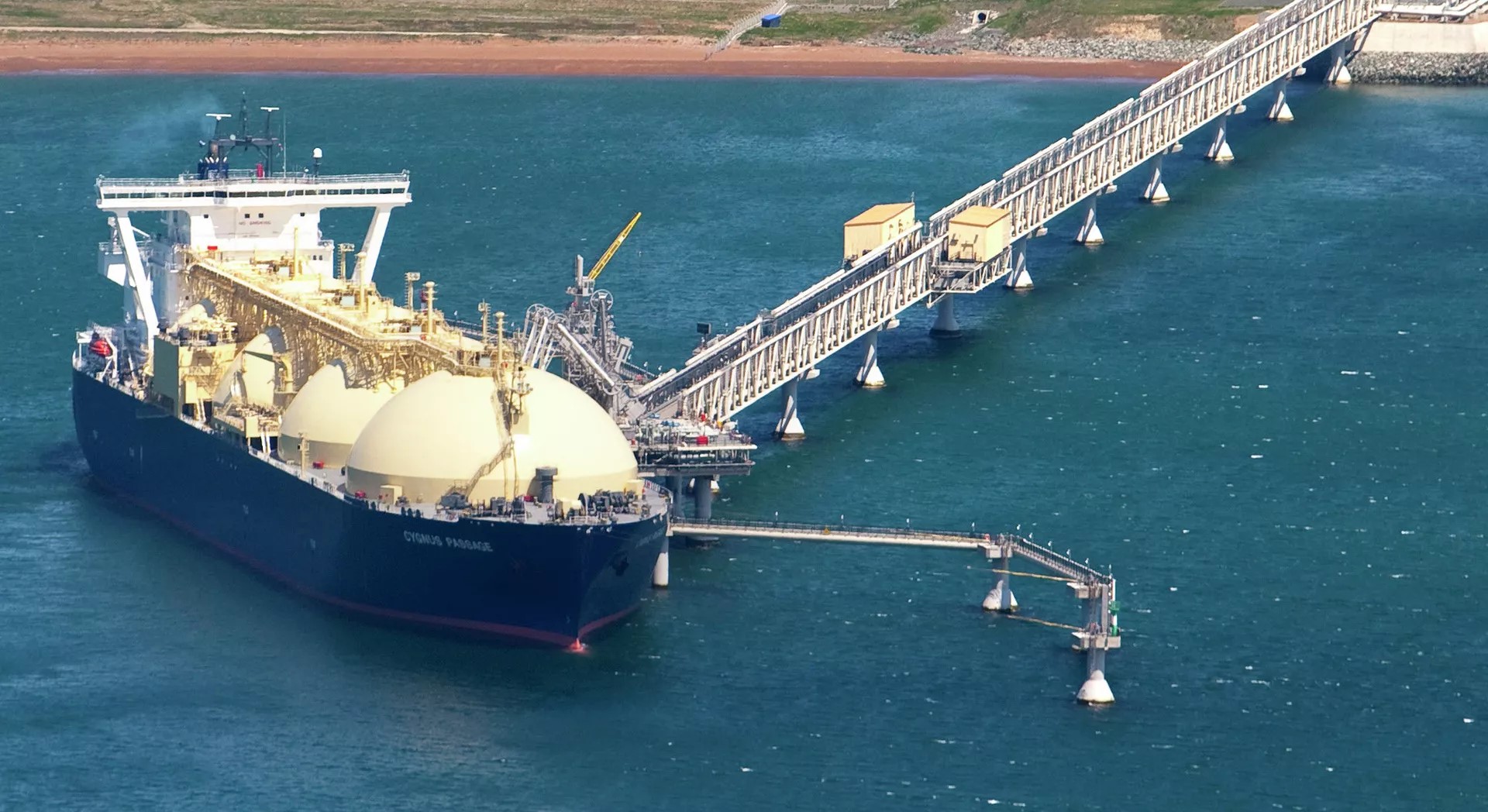
Since reducing its dependence on Russian oil and pipeline gas following the Ukraine conflict, Europe has become increasingly reliant on more expensive liquefied natural gas (LNG), particularly from the United States.
Pressure on the European energy market is expected to intensify as the EU plans to phase out Russian LNG imports beginning January 1, 2027. Russian LNG currently accounts for around 14% of the bloc’s LNG imports.
Additional supply constraints have emerged from disruptions to LNG shipping through the Strait of Hormuz, coupled with lower production in Qatar and the United Arab Emirates, tightening global LNG availability.
Energy analysts warn that gas prices could spike significantly if Europe experiences a colder-than-normal winter in 2026–2027.
Natasha Fielding, an analyst at Argus Media, said prolonged tightness in global LNG supplies would leave Europe entering winter with lower storage levels, increasing the risk of sharp price volatility.
Industry data show that EU gas storage facilities were only 28% full at the start of the refill season following an unusually cold winter. By the end of June, storage levels had climbed to approximately 48%, still well below levels generally considered comfortable ahead of winter.
A New Global Energy Order
The latest developments underscore a profound transformation in the global energy market.
India has capitalized on discounted Russian crude to strengthen its energy security while supporting economic growth amid geopolitical uncertainty. Europe, meanwhile, continues to grapple with the economic consequences of replacing relatively inexpensive Russian energy with higher-cost LNG imports.
The contrasting trajectories illustrate that energy policy is increasingly shaped not only by economics but also by geopolitical rivalries, regional conflicts, and strategic competition among major powers.
If current trends continue, India is likely to reinforce its position as one of the world’s fastest-growing economic centers by securing competitively priced energy supplies.
In contrast, the European Union could face mounting energy costs that weigh on industrial competitiveness, household spending, and broader economic growth during the coming winter. (RT)
Follow Us at Google News, WA Channel, and LinkedIn