
ASIATODAY.ID, JAKARTA — Young Indonesians are not abandoning the dream of marriage and parenthood. Instead, many are delaying those life decisions because of mounting financial pressures, expensive housing, and uncertain job prospects, according to a new global survey by the (UNFPA).
Released ahead of , the Demographic Futures Survey challenges a widespread assumption behind declining fertility rates. Rather than reflecting a lack of interest in having children, the findings suggest that economic and social barriers are preventing millions of young people from building the families they aspire to have.
The survey, conducted among 100,000 people aged 18–39 across 73 countries, found that 88% of respondents consider financial security essential before becoming parents. Stable employment ranked almost as highly at 87%, while 85% cited emotional readiness. Meanwhile, 57% identified economic hardship and limited access to affordable housing as the biggest obstacles to forming long-term relationships and raising children.
For Indonesia—home to one of the world’s largest youth populations—the findings underscore a growing policy challenge. The country’s demographic dividend could become a powerful engine of economic growth, but only if young people have realistic opportunities to build secure lives, stable careers, and families of their choosing.
“The decline in fertility should not be interpreted as a decline in young people’s aspirations to build families,” said .
“Young people still want marriage and parenthood. When they postpone these decisions, they are responding rationally to economic uncertainty, housing affordability, and insufficient social support—not rejecting family life,” he said.
The survey also dispels another common misconception. More than two-thirds of respondents said their ideal future includes a long-term partnership leading to marriage or cohabitation, while eight in ten identified the happiness and fulfillment children bring as a primary reason for wanting to become parents.
Indonesia’s government says it is strengthening policies to help young people realize those aspirations.
Representing , Deputy Minister said young people must be recognized not only as beneficiaries of development, but as key partners in shaping Indonesia’s future.
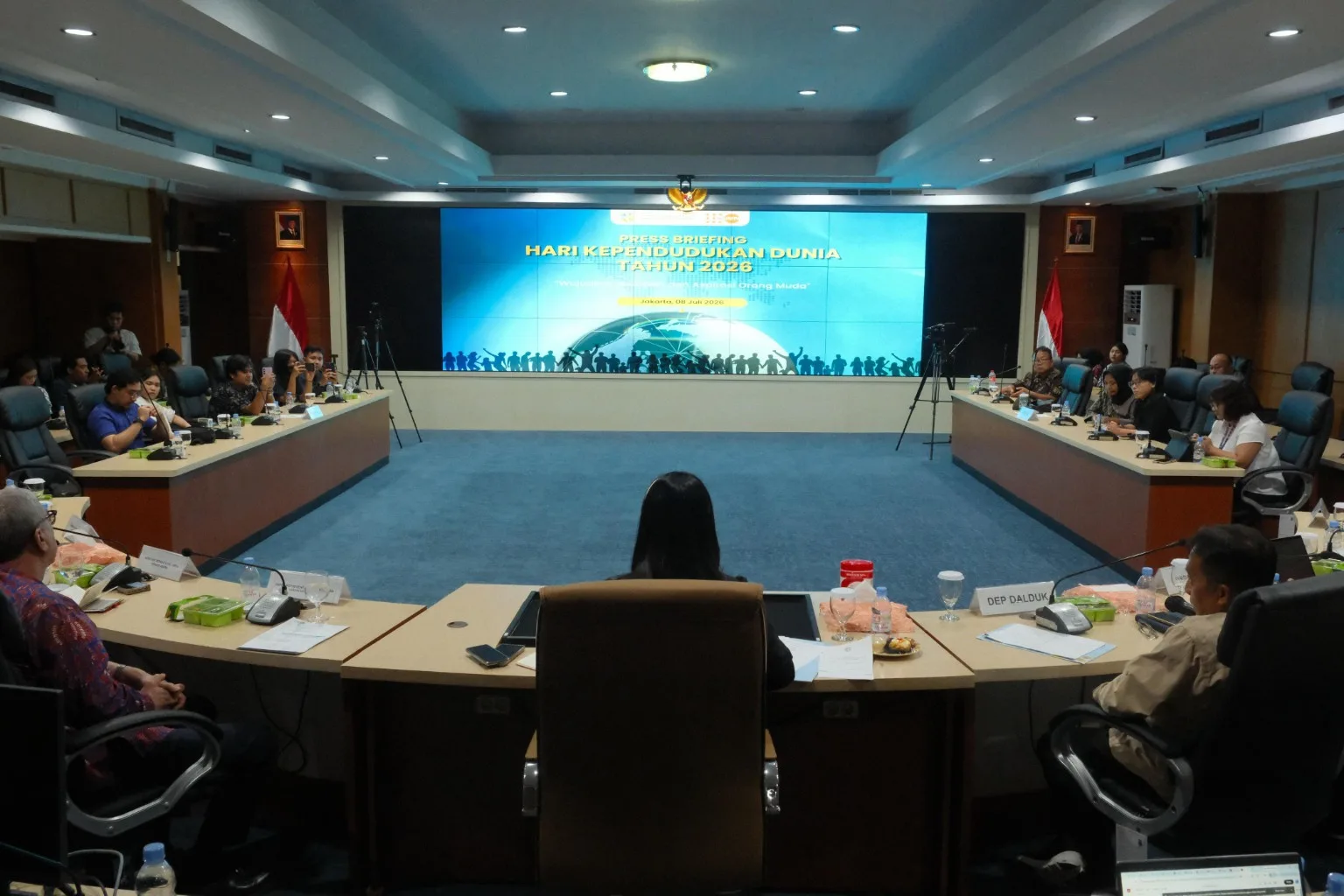
“They bring aspirations, creativity, and tremendous potential. Our responsibility is to create policies and opportunities that enable them to thrive and make life choices with confidence,” she said during a World Population Day 2026 press conference in Jakarta.
Meanwhile, said the government’s Population Development Roadmap 2025–2029 seeks to integrate demographic priorities into national development, including expanding access to quality education, decent employment, healthcare, affordable housing, and social protection.
“Our young people are not only the leaders of tomorrow,” he said. “They are already shaping Indonesia’s future today.”
The report arrives as countries across Asia confront slowing birth rates, ageing populations, and intensifying concerns over long-term economic resilience. Its central message is clear: reversing demographic decline is not simply about encouraging people to have more children—it is about removing the structural barriers that prevent them from building the families they already want.
For Indonesia, that means investing not only in economic growth, but also in affordable housing, secure employment, accessible healthcare, and stronger social protection. Without those foundations, the country’s demographic potential—and the aspirations of its young generation—may remain out of reach. (Midwan)
Follow Us at Google News, Instagram, WA Channel, and LinkedIn