
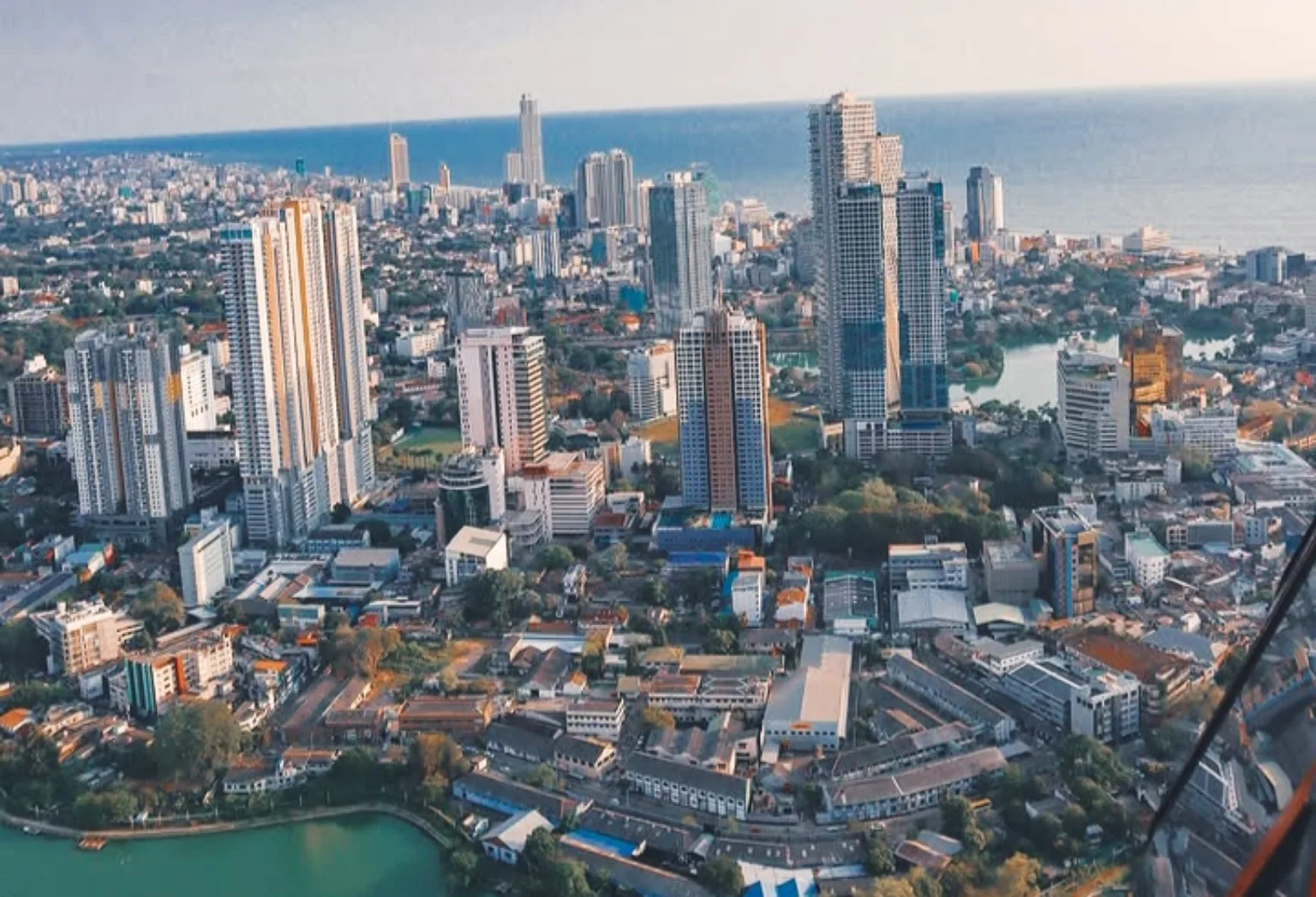
ASIATODAY.ID, WASHINGTON — Sri Lanka has reclaimed its upper-middle-income country status, marking one of Asia’s most remarkable economic recoveries just three years after its historic sovereign debt crisis. Reinforcing that turnaround, the World Bank has approved a US$150 million financing package to support the country’s next phase of structural reforms and long-term growth.
According to the World Bank’s latest income classification, Sri Lanka returned to the upper-middle-income category after posting 5 percent economic growth in 2025, driven by a broad-based recovery in manufacturing, tourism, financial services, and other productive sectors.
The recovery reflects improving domestic demand, a revival in tourism, stronger macroeconomic management, and gradually returning investor confidence following years of fiscal consolidation and economic reforms.
The World Bank described Sri Lanka’s rebound as a compelling example of economic resilience, demonstrating how decisive policy reforms and international cooperation can help restore stability after a severe financial crisis.
World Bank Backs the Next Phase of Growth
Alongside the income upgrade, the World Bank’s Board of Executive Directors approved US$150 million under the Sri Lanka Reforms for Growth, Resilience and Openness Development Policy Operation (REGROW DPO).
The financing is the first of a planned three-operation program designed to shift Sri Lanka from crisis stabilization toward sustainable, private sector-led economic growth.
The reform agenda includes reducing trade barriers, improving the investment climate, strengthening the financial sector, enhancing the governance of state-owned enterprises, expanding women’s participation in the workforce, and increasing competition in the power sector to deliver more reliable and affordable electricity.
“Sri Lanka has made significant progress in stabilizing its economy, and now it is critical to advance reforms that can unlock private investment, facilitate high-value exports, and create jobs,” said Gevorg Sargsyan, World Bank Group Country Manager for Sri Lanka.
He said the REGROW program is intended to build a more competitive, transparent, and resilient economy capable of delivering sustainable and inclusive growth.
From Crisis to Comeback
Sri Lanka’s economic crisis was triggered by a succession of major shocks, beginning with the 2019 Easter Sunday terrorist attacks that devastated tourism, followed by the COVID-19 pandemic and a worsening balance-of-payments crisis.
In April 2022, the government suspended repayment of approximately US$51 billion in external debt, becoming the first sovereign default in the country’s history. The crisis led to soaring inflation, widespread shortages of fuel, food, medicine, and electricity, while months of nationwide protests brought sweeping political change.
Since then, Sri Lanka has implemented comprehensive fiscal, monetary, and structural reforms with support from international financial institutions. Those measures have helped restore macroeconomic stability, rebuild foreign exchange reserves, revive tourism, and gradually rebuild investor confidence.
Private Sector to Drive Future Growth
The World Bank believes Sri Lanka’s next phase of development will depend on stronger private-sector investment, export diversification, and productivity gains.
The institution currently supports 13 active development projects worth more than US$1.5 billion, spanning education, healthcare, energy, transport, agriculture, and social protection.
Meanwhile, the International Finance Corporation (IFC) has committed nearly US$1.8 billion in long- and short-term financing to Sri Lanka’s private sector between 2021 and 2026, underscoring growing international confidence in the country’s economic outlook.
A Recovery with Regional Significance
Sri Lanka’s return to upper-middle-income status is more than an economic milestone. It marks the country’s transition from crisis management to long-term economic transformation.
At a time when many emerging economies continue to face mounting debt pressures, geopolitical uncertainty, and slower global growth, Sri Lanka’s recovery demonstrates that disciplined economic reforms, sound fiscal management, and sustained international support can restore market confidence, attract investment, and create the foundations for durable and inclusive growth. (AT Network)
Follow Us at Google News, Instagram, WA Channel, and LinkedIn