
ASIATODAY.ID, JAKARTA – Indonesia is taking a major step toward becoming a more influential player in the global carbon economy by establishing a stronger foundation for a transparent, credible, and internationally aligned carbon market.
The launch of the Carbon Unit Registry System (SRUK) marks a strategic move to transform emission reduction efforts into trusted climate assets, enabling carbon projects to be tracked, verified, and connected with emerging global carbon markets.
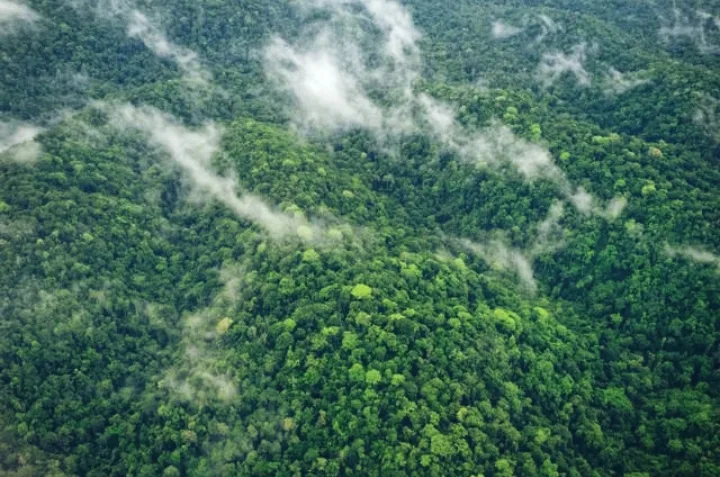
For Indonesia, the challenge is not the availability of climate resources. The country is home to one of the world’s largest tropical forest areas, extensive biodiversity, and significant renewable energy potential — all of which provide a strong foundation for nature-based and technology-driven carbon solutions.
The key challenge has been building market confidence: ensuring that carbon credits generated from these assets meet global expectations on transparency, accuracy, and environmental integrity.
Building Trust in Carbon Assets
As global carbon markets continue to evolve, credibility has become the most important factor shaping investor decisions.
Concerns over inaccurate emission claims, weak verification systems, and double counting have increased demand for stronger carbon market governance worldwide.
SRUK addresses these challenges by establishing a comprehensive Measurement, Reporting, and Verification (MRV) framework supported by independent verification mechanisms.
The system provides a national platform to manage carbon units throughout their lifecycle — from project registration and emission measurement to verification and market participation.
It is also designed to support integration with Indonesia’s carbon exchange platform, IDX Carbon, while enabling future connectivity with international carbon registry systems.
Unlocking Green Investment Opportunities
Indonesia’s carbon market development comes as global demand for high-integrity carbon credits continues to rise, driven by corporate climate commitments and the expansion of sustainable finance.
Through the Indonesian Greenhouse Gas Emission Reduction Certification (SPEI) framework, 49 mitigation projects across the energy, waste management, forestry, and agriculture sectors have been identified.
These projects are estimated to have the potential to reduce emissions by 5.85 million tonnes of carbon dioxide equivalent (CO₂e) annually.
Beyond climate benefits, Indonesia views carbon markets as a pathway to create new economic opportunities, attract green investment, and ensure communities protecting forests and ecosystems can share in the value generated from climate action.
Aligning with the Future of Global Carbon Markets
SRUK adopts international data standards developed by the Climate Data Steering Committee (CDSC), reinforcing Indonesia’s efforts to align its carbon market infrastructure with global best practices.
CDSC Managing Director Alice Carr said transparency, accountability, and reliable data are essential elements in building confidence among global carbon market participants.
The system also supports Indonesia’s climate commitments under its Nationally Determined Contribution (NDC) while strengthening its ambition to play a greater role in Asia’s emerging green economy.
From Climate Potential to Global Economic Value
Indonesia’s carbon market ambition goes beyond creating a mechanism for carbon trading.
It represents a broader effort to build an ecosystem where climate action, investment, conservation, and sustainable economic growth can move together.
As competition for high-quality carbon assets intensifies globally, Indonesia’s ability to maintain market integrity and deliver measurable climate impact will determine its long-term position in the international carbon economy.
With SRUK, Indonesia is taking a decisive step toward turning its vast climate potential into a trusted asset in the global green economy. (AT Network)
Follow Us at Google News, Instagram, WA Channel, and LinkedIn