
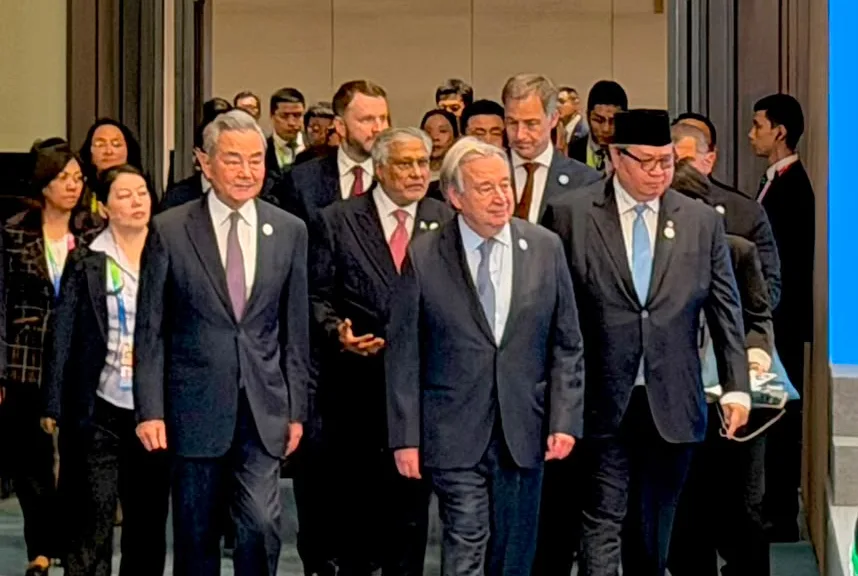
ASIATODAY.ID, SHANGHAI — Thirty countries have officially established the World Artificial Intelligence Cooperation Organization (WAICO), creating a new global platform aimed at strengthening international cooperation and shaping a more inclusive, safe, and responsible future for artificial intelligence (AI).
The establishment agreement was signed during the World Artificial Intelligence Conference (WAIC) 2026 in Shanghai, China, with representatives from 30 nations becoming founding members of the new intergovernmental organization.
The founding members include Indonesia, China, Brazil, Russia, Malaysia, South Africa, Kazakhstan, Pakistan, Algeria, Belarus, Cambodia, Cameroon, Congo, Cuba, Ethiopia, Kenya, Kyrgyzstan, Laos, Lesotho, Mozambique, Myanmar, Nicaragua, Oman, Senegal, Serbia, Tajikistan, Uzbekistan, Venezuela, and Zambia.
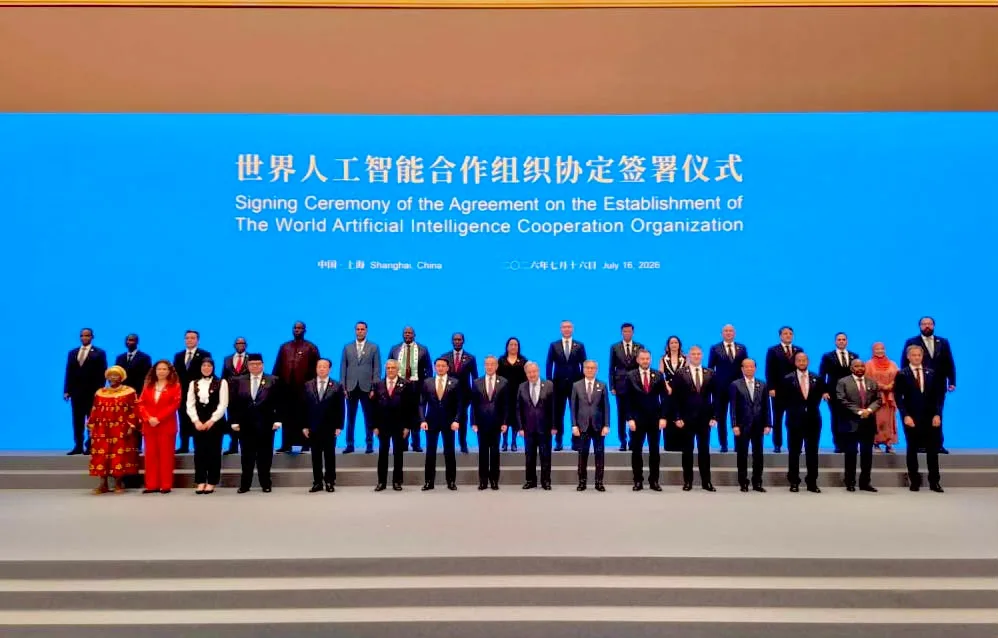
WAICO was established as an independent international organization focused on cooperation in artificial intelligence within the civilian domain, with a mission to encourage collaboration among countries while promoting AI development that is inclusive, non-discriminatory, safe, trustworthy, and ethical.
The formation of WAICO comes amid growing global efforts to address the opportunities and challenges created by rapid AI advancement, including technology inequality, data governance, security, and the need for responsible innovation.
A New Chapter in Global AI Cooperation
Indonesia is among the founding members of WAICO, with Coordinating Minister for Economic Affairs Airlangga Hartarto signing the establishment agreement on behalf of the Indonesian government.
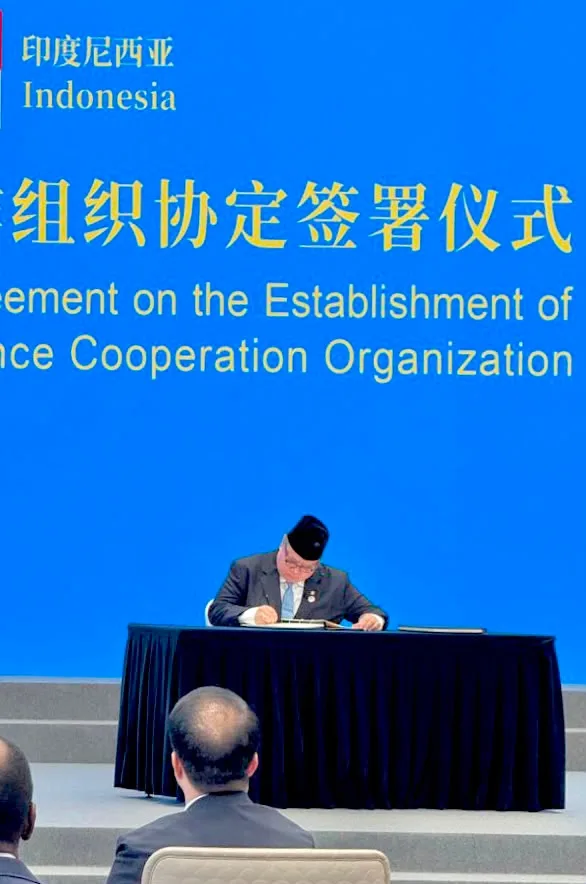
Airlangga said the creation of WAICO represents an important milestone in building international cooperation on AI governance and ensuring that technological progress benefits all countries, particularly developing economies.
“Through this platform, Indonesia is committed to taking an active role in bridging the global AI divide. The presence of representatives from partner countries demonstrates our shared vision to develop AI that is safer, more trustworthy, and ethical,” Airlangga said in Shanghai.
He emphasized that AI governance must follow a human-centered approach and provide equal opportunities for countries to benefit from technological transformation.
According to Airlangga, Indonesia’s participation as a founding member provides a strategic opportunity to contribute to the development of WAICO’s institutional framework and global AI cooperation agenda.
AI as a Driver of Economic Transformation
Indonesia views artificial intelligence as a key technology that can accelerate economic growth and improve competitiveness across strategic sectors.
Airlangga highlighted the potential use of AI in modern agriculture, renewable energy development, healthcare innovation, and digital services.
In agriculture, AI can support productivity through data-based solutions and smart farming technologies. In the energy sector, AI can contribute to efficiency and accelerate the transition toward cleaner energy systems. Meanwhile, digital healthcare can benefit from AI-driven innovation to expand access and improve services.
However, Airlangga stressed that AI adoption requires strong digital infrastructure, especially the development of data centers, connectivity networks, and skilled human resources.
“Indonesia’s digital economy is currently valued at around USD13 billion and we are moving toward USD300 billion. With AI development, this potential can grow significantly,” he said.
Shaping a More Inclusive AI Future
The establishment of WAICO marks a significant development in global technology cooperation as governments seek common approaches to managing the rapid evolution of artificial intelligence.
The organization is expected to serve as a platform for policy dialogue, knowledge sharing, capacity building, and international collaboration in AI development.
The signing ceremony took place as part of WAIC 2026, one of the world’s leading AI forums, following a series of high-level engagements involving international leaders, including meetings with Chinese President Xi Jinping and United Nations Secretary-General António Guterres.
For Indonesia, participation in WAICO reflects its ambition to become an active contributor in shaping the global digital landscape, ensuring that AI advancement supports sustainable development and creates broader economic opportunities.
As artificial intelligence becomes a defining force in the global economy, the creation of WAICO signals a collective effort by 30 nations to build a future where technology serves humanity through cooperation, trust, and shared innovation. (AT Network)
Follow Us at Google News, Instagram and LinkedIn