
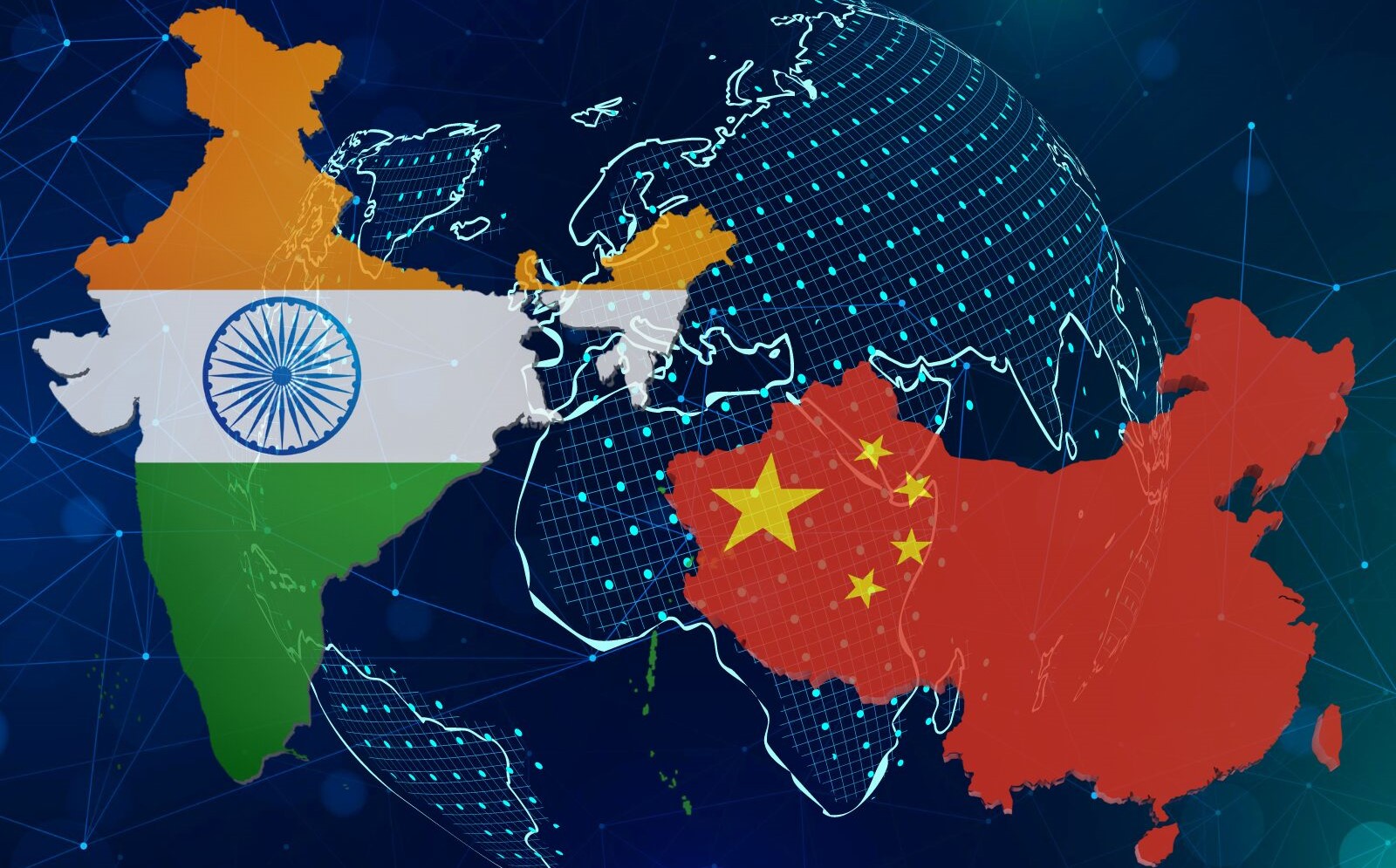
ASIATODAY.ID, JAKARTA – The India-China relationship is the “key” to the future of Asia and the world, Indian Foreign Minister Subrahmanyam Jaishankar said on Tuesday. Speaking at an event hosted by the Asia Society in New York, Jaishankar noted that the “parallel rises” of the two countries present a “very unique problem” in today’s global politics.
“I think the India-China relationship is key to the future of Asia. In a way, you can say that if the world is to be multi-polar, Asia has to be multi-polar. And, therefore, this relationship will influence not just the future of Asia but, in that way, perhaps the future of the world as well,” Jaishankar stated.
New Delhi has been attempting to expand its influence and become an important center of power in the region, which has also seen a rising influence from Beijing. Earlier this year, Jaishankar suggested that India should “welcome competition” and have “more confidence” in the face of growing Chinese influence in South Asia.
The minister has been advocating “multi-polarity” in world forums and for a greater role for India in bodies such as the United Nations Security Council. However, China, a permanent member of the influential grouping, has opposed India’s elevation as a permanent member.
Highlighting that China and India each boasted populations exceeding a billion, Jaishankar recognized that their rise in the global order, combined with their “overlapping peripheries,” posed an unusual challenge. “If you look today in global politics, the parallel rises of India and China, I would say, present a very unique problem,” he remarked.
Jaishankar acknowledged on Thursday that India has a “difficult history” with China and that the relationship is currently “significantly disturbed.” New Delhi’s issues with Beijing largely stem from border disputes. Ties between the two powerful neighbors soured in 2020 when troops clashed in the disputed Galwan Valley, resulting in casualties on both sides. Since then, there have been over a dozen rounds of talks aimed at disengagement along the 3,500-kilometer (around 2,100-mile) Line of Actual Control (LAC), the poorly defined frontier between the two countries.
Earlier this month, Jaishankar said that 75% of “disengagement problems” along the LAC have been “sorted out,” but there is still “work to do.” On Thursday, he clarified that the countries were able to “sort out much of the disengagement, the friction points, but some of the patrolling issues need to be resolved.”
Despite these differences, Jaishankar has previously asserted that New Delhi has resolved to improve ties with China during Modi’s third term as Prime Minister. The foreign ministers of the two nuclear-armed neighbors also spoke in favor of stabilizing ties, at a meeting of the Association of Southeast Asian Nations (ASEAN) in Laos.
In New York this week, he described the pandemic, conflicts, and climate events as “repeated shocks” that have hastened the changes the world is undergoing. He added that Asia is very much at the “cutting edge” of these changes due to the economic rise of the region. India, currently the world’s fifth-largest economy, with GDP at $3.95 trillion, is likely to become third-largest by the end of this decade. China is currently ranking second, trailing the US. (RT/AT Network)
Ikuti Kami di Google News dan WA Channel