
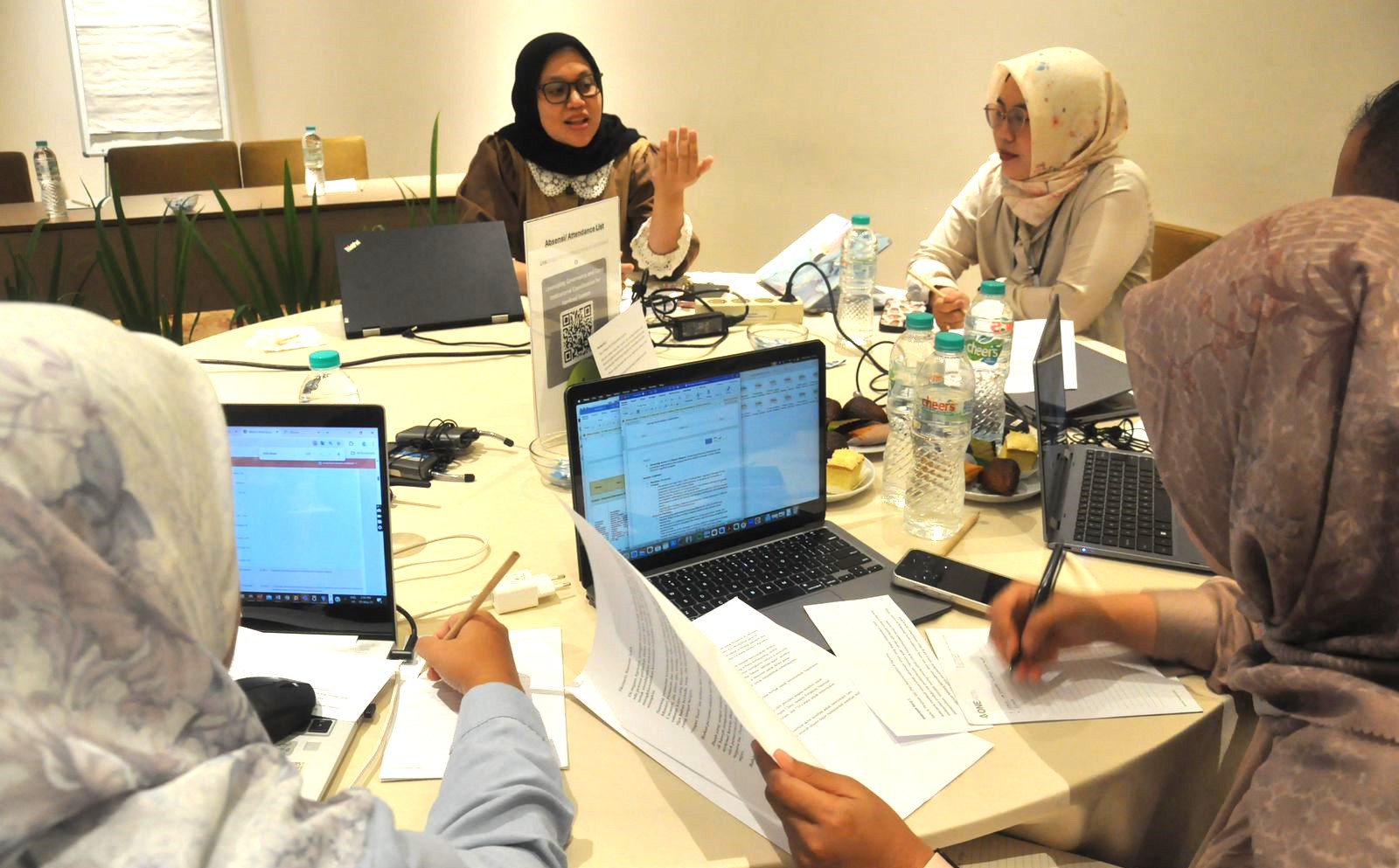
ASIATODAY.ID, JAKARTA – The Government of Indonesia through the Ministry of National Development Planning (Bappenas) with support of Food and Agriculture Organization of the United Nations (FAO) began on Monday a five-day training workshop to leverage central and regional institutions’ governance and coordination to transform the country’s agrifood systems.
Indonesia is committed to agrifood systems transformation to ensure everyone has access to healthy diets that are produced sustainably to restore nature and deliver equitable livelihoods, as laid out in the country’s National Medium-Term Development Plan (RPJMN) 2025-2029 and Strategic National Pathway for Food Systems Transformation.
Sustainable agrifood systems encompass all the interconnected activities and actors involved in producing, consuming, trading, processing, distributing, stocking, managing resources and food loss and waste, ensuring all people have socio economic access to safe and nutritious food.
To advance this commitment, the training workshop gathers 50 key public officials from various ministries and regional governments to strengthen their capacity and coordination in consolidating and implementing evidence-based policies and interventions that are tailored to local contexts and needs.
“Indonesia’s agrifood systems transformation is directed at building local food systems that are based on ecoregions and local potentials. This is expected to realize Indonesia’s vision in transforming its food systems into ones that are healthy and nutritious, inclusive, equitable, resilient, and sustainable,” Director of Food and Agriculture of Bappenas, Jarot Indarto, said, May, 5 2025.
The workshop introduces agrifood systems transformation to the government officials as a sustainable solution in addressing the interconnected challenges facing Indonesia today, from poverty and food insecurity to climate change and biodiversity loss.
It equips participants with the skills and tools to translate national priorities into decentralized planning and implementation that are aligned with climate actions, identify collaboration opportunities between institutions, and utilize innovative financing strategies.
“As the world’s largest archipelago that boasts high biodiversity, Indonesia will benefit from regionalized food systems that bolster diverse local foods and sustain the ecosystems, not only making food more accessible but also elevating local livelihoods’ resilience,” FAO Representative in Indonesia and Timor-Leste Rajendra Aryal said.
While Indonesia has made notable strides in improving its food and nutrition security, the country still grapples with significant hidden costs from current food systems’ externalities across the environmental, social and health sectors.
According to 2023 Ministry of Health data, 21.5 percent of children aged under 5 years are still stunted, while almost half of its population cannot afford a healthy and nutritious diet, as reported in the 2024 State of Food Security and Nutrition in the World (SOFI) report. At the same time, the food loss and waste Indonesia produces could have fed a third of its population with better management, according to a 2021 Bappenas study. Environmental degradation and biodiversity loss pose looming risks on the livelihoods of about 29 percent of Indonesia’s workforce that rely on the agri-food sector.
“FAO sees governance as a gear with which Indonesia can transform its agrifood systems to realize a healthier and more productive population without compromising the ecosystems,” Rajendra added further. (AT Network)
Follow Us at Google News and WA Channel