
ASIATODAY.ID, JAKARTA — Indonesia’s total realized investment in the third quarter of 2025 reached USD 30.3 billion, with Foreign Direct Investment (FDI) contributing USD 13.1 billion or 43.1% of the total.
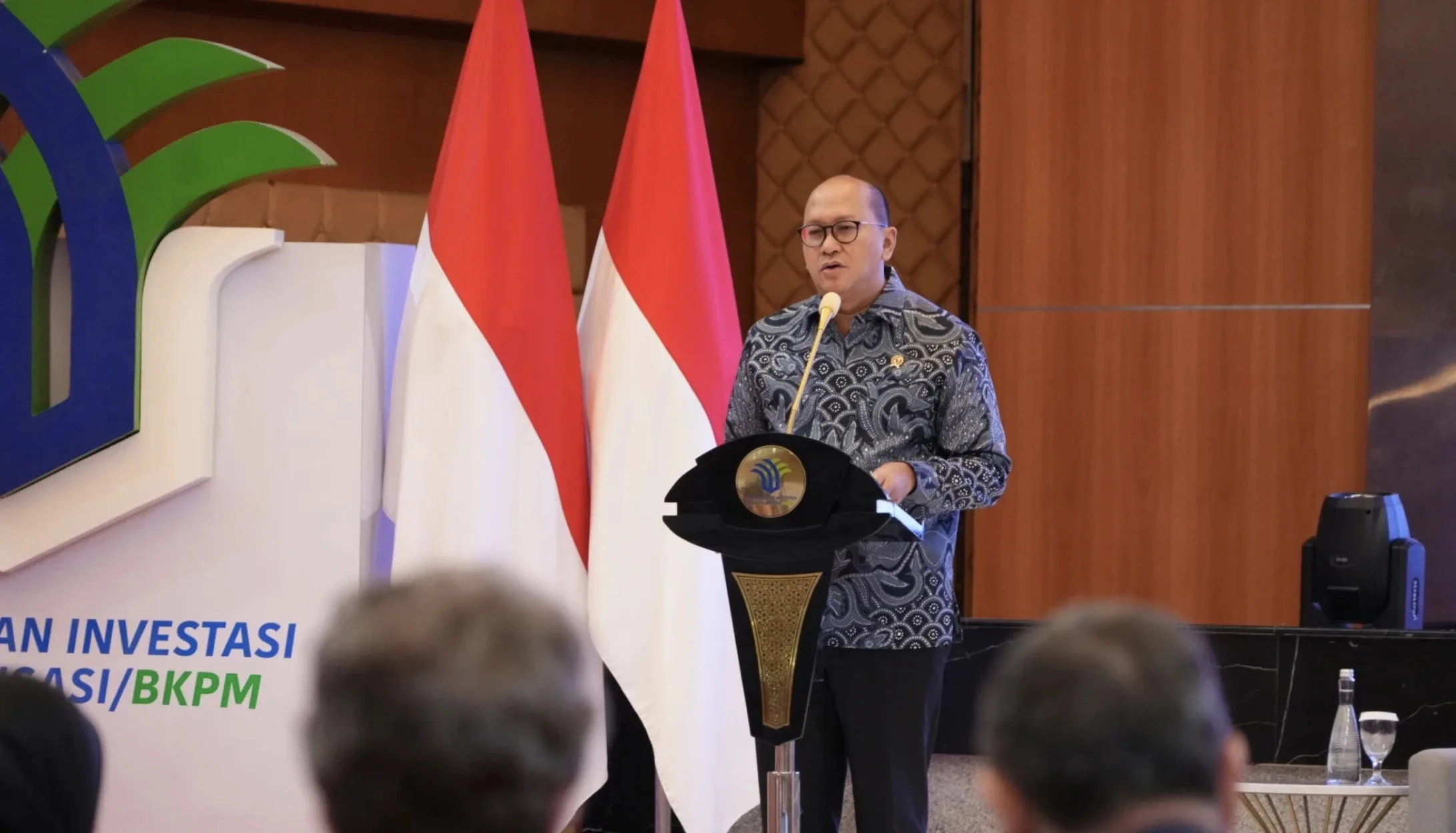
Minister of Investment and Downstreaming/Chairman of the Indonesian Investment Coordinating Board (BKPM), Rosan Perkasa Roeslani, said that the achievement reflects Indonesia’s continued strength as a key investment destination amid persistent global economic and geopolitical challenges.
“Our FDI reached USD 13.1 billion. Despite ongoing uncertainties, the investment outlook for Indonesia remains positive. Both the World Bank and OECD have revised their growth projections for Indonesia upward, signaling stronger investor confidence,” Rosan stated during the Press Conference on Investment Realization for Q3 2025 at the Ministry’s office in Jakarta, Friday, October 17, 2025.
Singapore Remains Indonesia’s Top Investor
Singapore continued to dominate as Indonesia’s largest foreign investor, contributing USD 3.8 billion or 28.8% of total FDI — a position it has held for the past decade.
“For the past ten years, Singapore has consistently been the top source of investment into Indonesia,” said Rosan.
Hong Kong followed in second place with USD 2.7 billion (20.3%), while China ranked third with USD 1.9 billion (14.1%). Combined, investments from Hong Kong and China totaled USD 4.6 billion, surpassing Singapore’s total contribution.
In fourth place was Malaysia with USD 1 billion (7.4%), followed by the United States, contributing USD 0.8 billion (5.8%).
Expanding Downstreaming Beyond Minerals
Beyond the mineral sector, Indonesia is strengthening its downstreaming strategy in agricultural commodities, particularly coconut, as a new national priority.
Rosan revealed that two major investors are preparing to develop and enhance Indonesia’s coconut value chain.
“We have secured two significant investors for coconut downstreaming. This initiative is expected to stabilize prices for farmers and create substantial employment opportunities,” Rosan explained.
Although investment in the coconut sector may not match that of minerals such as nickel, its socio-economic impact is expected to be considerable — especially in terms of job creation and improving rural prosperity.
“While some stages of coconut processing are automated, early activities such as collection and primary processing still rely heavily on local communities,” he added.
As the world’s largest coconut producer, Indonesia aims to complete the development of its coconut downstream industry by 2026, positioning it as one of the key pillars of the nation’s broader downstreaming agenda — driving value addition while enhancing farmer welfare. (AT Network)
Follow Us at Google News and WA Channel