
ASIATODAY.ID, JAKARTA – Indonesia’s transmigration areas are poised to become a hub for bamboo industrialization, following the visit of the Indonesia-Guangdong Trade Promotion (PPIG) delegation to the Ministry of Transmigration office in Kalibata, Jakarta on December 18, 2025.
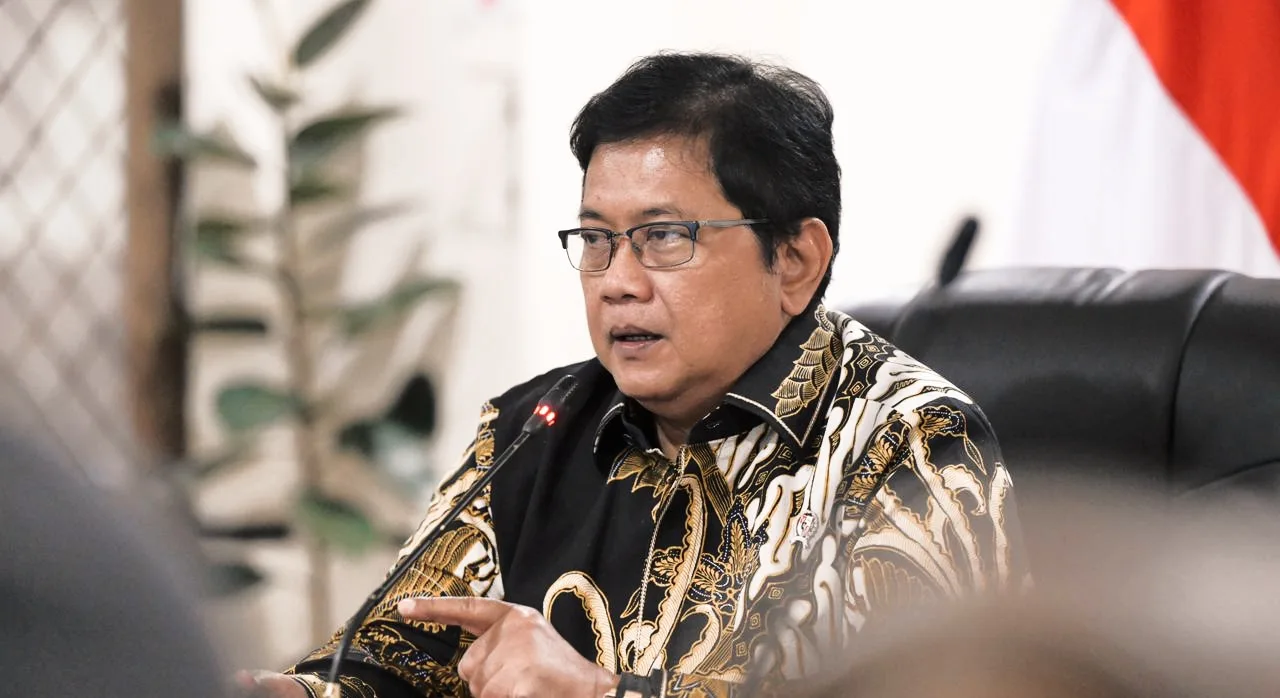
The delegation was warmly welcomed by Deputy Minister of Transmigration, Viva Yoga Mauladi.
Led by Mr. Sim (Indonesia Executive Chairman) and Mr. Jay Yu (Director of The Economic Diplomacy Office), the PPIG delegation explored Chinese investment in the bamboo sector, specifically the development of reed bamboo.
This bamboo variety is highly valued for its fiber, which can be processed into various textiles such as t-shirts, jackets, socks, and accessories.
In addition, its leaves can serve as livestock feed, and its clusters have high carbon absorption potential, making them suitable for the carbon market.
“Reed bamboo can survive up to 15 years without fertilizer, and 1 hectare of land can generate up to 12,750 USD per year. The seedlings are very affordable, costing only 0.6 USD each,” said Jay Yu.
PPIG aims to make Indonesia the largest producer of bamboo fiber in Southeast Asia, with investments spanning from planting to factory development, with one factory per 70-hectare plot.
Government Support for Transmigration Industrialization
Deputy Minister Viva Yoga Mauladi expressed strong support for the initiative. According to him, bamboo is already familiar to communities from Sabang to Merauke, whether naturally growing or cultivated.
Developing bamboo in transmigration areas forms part of Ministry of Transmigration’ transformation program, shifting transmigration from mere population relocation to a sustainable economic and welfare initiative.
“Recently, I visited the Bamboo Indonesia Foundation in Cibinong, Bogor, which has 161 bamboo varieties. We will select the varieties best suited for development in transmigration areas,” Viva Yoga explained.
Previously, Ministry of Transmigration had also explored bamboo development for biomass electricity in Ponu Transmigration Area, East Nusa Tenggara, in collaboration with a subsidiary of a major state-owned enterprise. The project is still ongoing, and the government hopes Chinese investment will be realized successfully.
Promoting Green Economy and Transmigrant Welfare
Viva Yoga emphasized that bamboo industrialization will actively involve transmigrants and local communities, ensuring both economic benefits and environmental sustainability.
“In the era of President Prabowo Subianto, transmigration is aimed at creating welfare through industrialization. With reed bamboo, transmigration areas can become centers of a green economy and sustainable bamboo industry,” concluded Deputy Minister Viva Yoga. (AT Network)
Follow Us at Google News and WA Channel