
ASIATODAY.ID, WASHINGTON — Global funding is flowing into Sri Lanka as international lenders ramp up support for the country’s digital transformation and food security agenda.
The World Bank Group and the Asian Development Bank (ADB) have approved new financing packages aimed at modernizing public services, strengthening the digital economy, and boosting climate-resilient agriculture amid growing economic and environmental pressures.
The World Bank’s Board of Executive Directors approved a US$50 million Digital Transformation Project to help Sri Lanka modernize government services, improve digital infrastructure, and foster innovation in the private sector.
The initiative will introduce an integrated online citizen services portal, secure data-sharing systems across government agencies, a digital locker for official documents, and a scalable government cloud platform.
“Digital transformation is a powerful driver of inclusive growth and better public services,” said Gevorg Sargsyan, World Bank Group Country Manager for Sri Lanka and the Maldives on December 19, 2025.
“By investing in core digital platforms and skills, Sri Lanka can improve service delivery while unlocking new opportunities for private sector–led innovation.”
Beyond public sector reform, the project will strengthen Sri Lanka’s technology and startup ecosystem through a digital startup accelerator, targeted support for mid-sized IT firms, and initiatives to promote female entrepreneurship. These efforts are expected to attract up to US$10 million in private investment and increase IT export earnings over time.
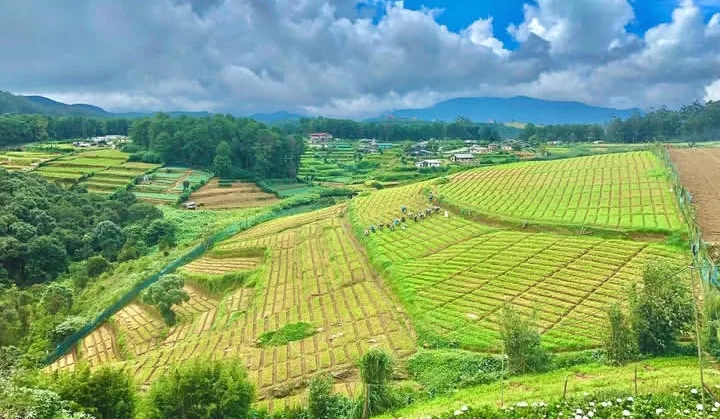
At the same time, the Asian Development Bank has approved a US$3 million grant to pilot modern pipe distribution network (PDN) irrigation systems in Sri Lanka’s Northwestern and Uva provinces, regions increasingly affected by water scarcity and climate change.
The project will provide reliable irrigation to 877 hectares of farmland, benefiting 943 farming households and supporting national food security.
Funded by the Japan Fund for Prosperous and Resilient Asia and the Pacific, the initiative aims to improve water-use efficiency, reduce losses associated with traditional canal-based irrigation, and enable farmers to cultivate higher-value crops.
“PDN systems are well suited to water-scarce conditions and allow irrigation on demand,” said Takafumi Kadono, ADB Country Director for Sri Lanka.
“They are critical to sustaining agricultural productivity as climate risks intensify.”
The ADB-backed project comes in the aftermath of Cyclone Ditwah, which struck Sri Lanka in late November, triggering the country’s worst floods in two decades and damaging more than 160,000 hectares of paddy fields along with tens of thousands of hectares of other crops.
Together, the World Bank and ADB initiatives underscore a dual transformation strategy for Sri Lanka: accelerating digital governance and economic innovation while reinforcing agricultural resilience and food security.
As climate shocks and global economic uncertainty persist, international support is positioning Sri Lanka to pursue a more inclusive, resilient, and technology-driven development path. (AT Network)
Follow Us at Google News and WA Channel