
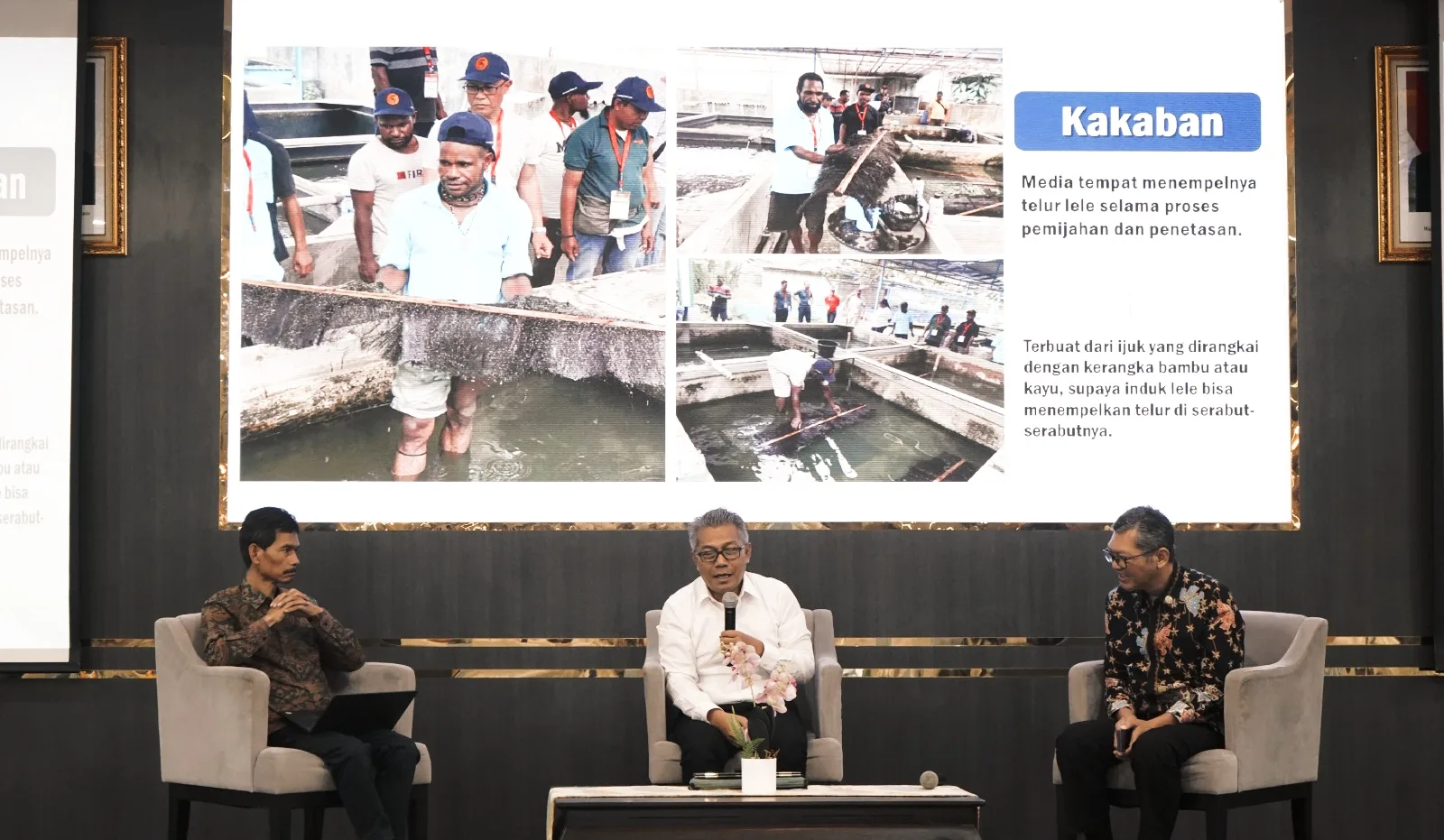
ASIATODAY.ID, JAKARTA — Indonesia is strengthening its long-term food security strategy by placing villages at the center of food systems transformation, with the Ministry of Villages and Development of Disadvantaged Regions (Kemendes PDT) and the Food and Agriculture Organization of the United Nations (FAO) launching a strategic governance training program for senior government officials on Monday, June 29, 2026.
The initiative is designed to equip policymakers with the knowledge and analytical tools needed to develop evidence-based policies that support sustainable agriculture, resilient food systems, and rural development across the world’s fourth-most populous nation.
Home to more than 75,000 villages, Indonesia relies heavily on rural communities to achieve its national development goals. Nearly half of the country’s 287 million people live in villages, where agriculture remains the primary source of livelihood and poverty rates continue to outpace those in urban areas.
Recognizing the strategic role of villages, the government is seeking to strengthen local governance as a foundation for improving food security, reducing poverty, enhancing climate resilience, and promoting inclusive economic growth under Indonesia’s 2025–2029 National Medium-Term Development Plan.
The new training program also supports Kemendes PDT’s ambition to establish Centers of Excellence for Food Systems Development, where rural communities can access knowledge on healthy diets, sustainable farming, local food value chains, disaster preparedness, and community-based food security initiatives.
“Indonesia is an archipelagic nation with extraordinarily diverse food systems. This workshop provides an important opportunity to combine international experience with Indonesia’s local knowledge,” said Samsul Widodo, Director General for Empowerment and Development of Disadvantaged Regions at the Kemendes PDT.
He said the concept of food systems transformation is still relatively new in Indonesia, making it essential for senior policymakers to understand how it can be translated into practical actions at the village level, including through the effective use of village development funds.
The program addresses one of Indonesia’s key governance challenges: enabling local governments to effectively implement national food security policies despite limitations in institutional capacity, data availability, and inter-agency coordination.
These challenges have become increasingly important as more than 75,000 villages are required to allocate at least 20 percent of their village budgets to food security initiatives.
Beyond strengthening food production, Indonesia’s rural development agenda also focuses on agricultural downstream industries, youth empowerment, climate adaptation, and disaster resilience—priorities that are increasingly viewed as interconnected elements of a modern food system.
Food Systems Transformation Beyond Agriculture
The workshop introduces food systems transformation as a comprehensive approach to addressing multiple national challenges simultaneously, including food insecurity, malnutrition, rural poverty, environmental degradation, and climate change.
Rather than concentrating solely on agricultural production, the approach examines the entire food value chain—from farming and processing to distribution and consumption—while promoting healthier diets, equitable livelihoods, and more sustainable management of natural resources.
According to FAO’s 2024 assessment, Indonesia’s food and agriculture systems generate an estimated US$319 billion in hidden societal costs annually. These include healthcare burdens linked to unhealthy diets, environmental damage caused by greenhouse gas emissions and land-use change, as well as persistent social costs associated with rural poverty and undernutrition among agricultural workers.
“Food systems transformation can only succeed when rural communities become active drivers of development rather than passive beneficiaries,” said Rajendra Aryal, FAO Representative for Indonesia and Timor-Leste.
He emphasized that stronger local governance, better policy coordination, and broader stakeholder participation will be critical to ensuring Indonesia’s food systems become more sustainable, inclusive, and resilient in the years ahead.
The training introduces FAO’s Governance Analytical Framework, first launched in 2022 and now implemented in multiple countries to integrate governance analysis into public policy design and implementation through a structured, evidence-based approach.
The program builds on a similar initiative conducted jointly by FAO and the Indonesian Government in 2025 for the Ministry of National Development Planning (Bappenas) and other government institutions, further strengthening Indonesia’s capacity for coordinated, evidence-based food systems planning.
As global food security faces growing pressure from climate change, geopolitical tensions, and economic uncertainty, Indonesia is positioning stronger village governance as one of the country’s most important investments in building a resilient, sustainable, and inclusive food system for the future. (Midwan)
Follow Us at Google News, WA Channel, and LinkedIn