
ASIATODAY.ID, BANDUNG — Indonesia and Malaysia are accelerating a new phase of economic cooperation by targeting strategic industries that could reshape Southeast Asia’s position in the global economy, with semiconductors emerging as a key priority.
The commitment was highlighted at the Selangor International Business Summit (SIBS) ASEAN 2026 in Bandung, West Java, where government representatives, business leaders, and investors explored opportunities in semiconductor manufacturing, energy, food security, defense, and advanced industries.
The move comes as countries across Asia compete to secure semiconductor supply chains amid rising demand for artificial intelligence, electric vehicles, telecommunications infrastructure, and digital technologies.
Building ASEAN’s Semiconductor Future
Selangor Menteri Besar Dato’ Seri Amirudin Shari said cooperation between Selangor and West Java should extend beyond conventional business partnerships and develop into a broader strategic collaboration.
He emphasized that economic cooperation must also strengthen resilience, security, cultural ties, and shared prosperity.
“Cooperation should not only focus on business interests. It must also include broader aspects such as sovereignty, security, and prosperity,” Amirudin said.
The proposed cooperation framework is expected to connect governments, companies, institutions, and communities to accelerate investment opportunities across strategic sectors.
Indonesia-Malaysia Supply Chain Opportunity
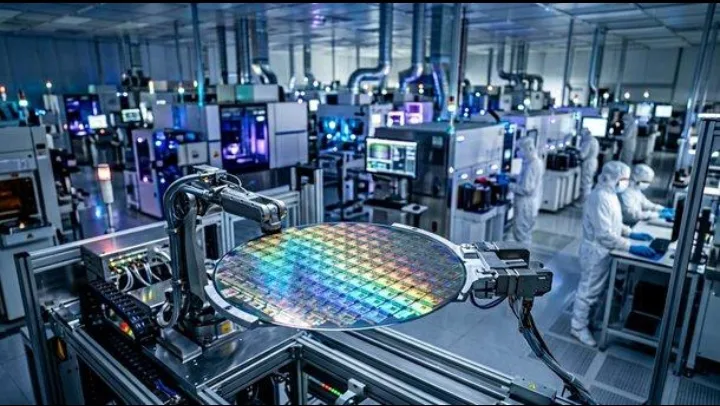
The semiconductor industry has become one of the most contested sectors in the global economy, with major economies seeking to diversify production networks and reduce dependence on concentrated supply chains.
Malaysia has built a strong position in semiconductor assembly, testing, and packaging, while Indonesia is expanding its industrial capabilities through downstream investment, manufacturing development, and technology-oriented industries.
Closer cooperation between the two countries could create new opportunities for integrating ASEAN’s semiconductor ecosystem, particularly as global companies seek alternative production bases in Southeast Asia.
West Java Emerges as Industrial Gateway
West Java Deputy Governor Erwan Setiawan said the province has significant potential to strengthen cooperation with Selangor in manufacturing, infrastructure, tourism, trade, and industrial development.
“Many sectors can be developed together, and we hope businesses in West Java can capture these opportunities,” Erwan said.
As one of Indonesia’s largest industrial regions, West Java plays a strategic role in the country’s manufacturing landscape, supported by industrial estates, infrastructure networks, and a large workforce.
Halal Economy and New Growth Areas
Beyond technology industries, Indonesia and Malaysia are also exploring cooperation in the halal economy, an increasingly important sector with global market potential.
West Java aims to learn from Selangor’s experience in developing halal industry ecosystems, including halal products, services, and economic institutions.
The cooperation reflects a broader effort by both countries to expand growth beyond traditional trade and build higher-value economic partnerships.
ASEAN’s Strategic Moment
The Indonesia-Malaysia partnership comes at a critical moment for ASEAN as the region seeks to strengthen its role in global supply chains amid geopolitical tensions and rapid technological transformation.
With rising investment competition in semiconductors and advanced manufacturing, deeper cooperation between Southeast Asian economies could help ASEAN move from a production base toward a regional innovation and technology hub.
As global demand for chips continues to accelerate, Indonesia and Malaysia’s partnership may become a defining step in ASEAN’s ambition to secure a greater role in the future technology economy. (AT Network)
Follow Us at Google News, Instagram, WA Channel, and LinkedIn