
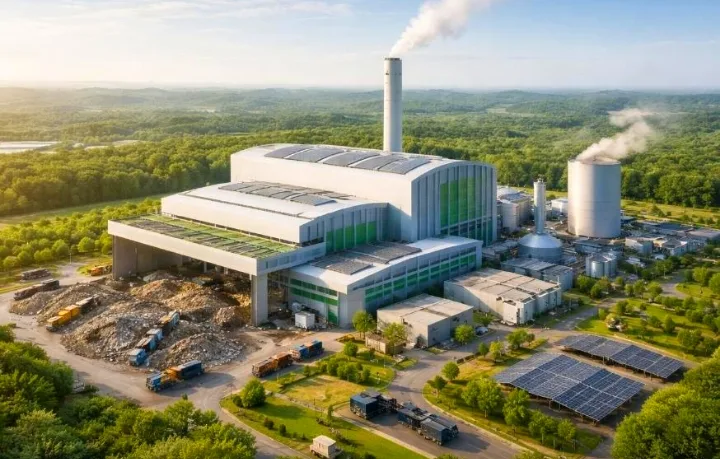
ASIATODAY.ID, JAKARTA — Indonesia is emerging as a new frontier for sustainable infrastructure investment as global Waste-to-Energy (WTE) players join the country’s ambitious effort to transform urban waste into clean energy.
PT Danantara Investment Management (DIM), together with PT Daya Energi Bersih Nusantara (Denera), has selected eight consortiums as preferred partners for the second phase of Indonesia’s Waste Processing into Electricity (PSEL) program, covering projects across 20 cities and regencies.
The selection represents a major milestone in Indonesia’s green infrastructure agenda, combining international technology expertise, domestic industrial capability, and long-term investment potential in Southeast Asia’s largest economy.
Global Consortiums Target Indonesia’s Growing Green Infrastructure Market
The PSEL Phase II selection attracted participation from global companies with extensive experience in waste management, renewable energy, and large-scale infrastructure development.
From 85 shortlisted providers, a total of 68 applications were submitted for eight project locations. Following a comprehensive evaluation process, each location received a selected consortium and a reserve consortium.
The selected consortiums will receive a Conditional Letter of Award (CLoA) and must complete further requirements before final appointment, including technical assessments, feasibility studies, commercial agreements, project structures, and financing arrangements.
International Partnership Landscape Takes Shape
The composition of selected consortiums reflects Indonesia’s growing role in the global sustainable infrastructure market.
Four of the eight selected consortiums are led by Indonesian companies, while two are led by French companies and two by Chinese companies.
The consortiums will work with international technology partners to accelerate project implementation, introduce advanced waste processing solutions, and strengthen Indonesia’s domestic industrial ecosystem.
The strong participation of Indonesian-led consortiums also signals the rising capability of local companies to compete in strategic green infrastructure projects.
Indonesia Becomes Strategic Hub for Waste-to-Energy Investment
The growing interest from international consortiums highlights Indonesia’s potential as a key market for waste-to-energy development in Asia.
With a population of more than 280 million people and rapid urban growth, Indonesia faces increasing demand for modern waste management solutions while pursuing its climate and energy transition targets.
Through PSEL, waste is being repositioned from an environmental challenge into an economic opportunity — generating electricity, reducing emissions, and supporting the development of a circular economy.
Technology Transfer and Green Growth Opportunity
The collaboration between international and Indonesian companies is expected to accelerate: advanced waste processing technology adoption; knowledge and technology transfer; development of green jobs; reduction of greenhouse gas emissions; sustainable infrastructure investment; and strengthening of Indonesia’s clean technology ecosystem.
The initiative reflects a broader global trend where waste management, renewable energy, and infrastructure investment are increasingly connected.
Danantara Highlights International Confidence in Indonesia
Danantara CEO Pandu Sjahrir said participation from leading global Waste-to-Energy companies demonstrates growing confidence in Indonesia’s investment prospects.
“The involvement of global Waste-to-Energy leaders shows that Indonesia is increasingly trusted as an investment destination. This creates opportunities to accelerate technology transfer, build national capabilities, and strengthen Indonesia’s waste management ecosystem.”
DIM Investment Director and Denera CEO Fadli Rahman said the selection process was conducted based on international governance standards, supported by independent technical, legal, and commercial advisors.
The evaluation covered project experience, financial capability, technology solutions, implementation readiness, risk management, commercial viability, and long-term commitment.
Building Indonesia’s National Waste-to-Energy Network
The PSEL Phase II program follows the launch of earlier projects, including the Denpasar Bali Waste-to-Energy project, which began implementation on 8 July 2026. Projects in Bekasi City and Bogor Raya are also scheduled to advance.
Future projects will be developed through Denera, an integrated waste-to-energy platform under DIM, together with selected development and operational partners.
The program is expected to support Indonesia’s wider economic transformation by creating investment opportunities while addressing environmental challenges.
A New Chapter for Asia’s Green Infrastructure Landscape
The entry of international consortiums into Indonesia’s Waste-to-Energy sector signals a new phase in Asia’s sustainable infrastructure competition.
As governments across the region seek solutions for rising urban waste, energy security, and climate commitments, Indonesia is positioning itself as a strategic market where global technology, capital, and environmental innovation meet.
The PSEL program shows that Indonesia is moving beyond conventional waste management — turning waste into energy, investment, and long-term economic value. (AT Network)
Follow Us at Google News, Instagram, WA Channel, and LinkedIn