
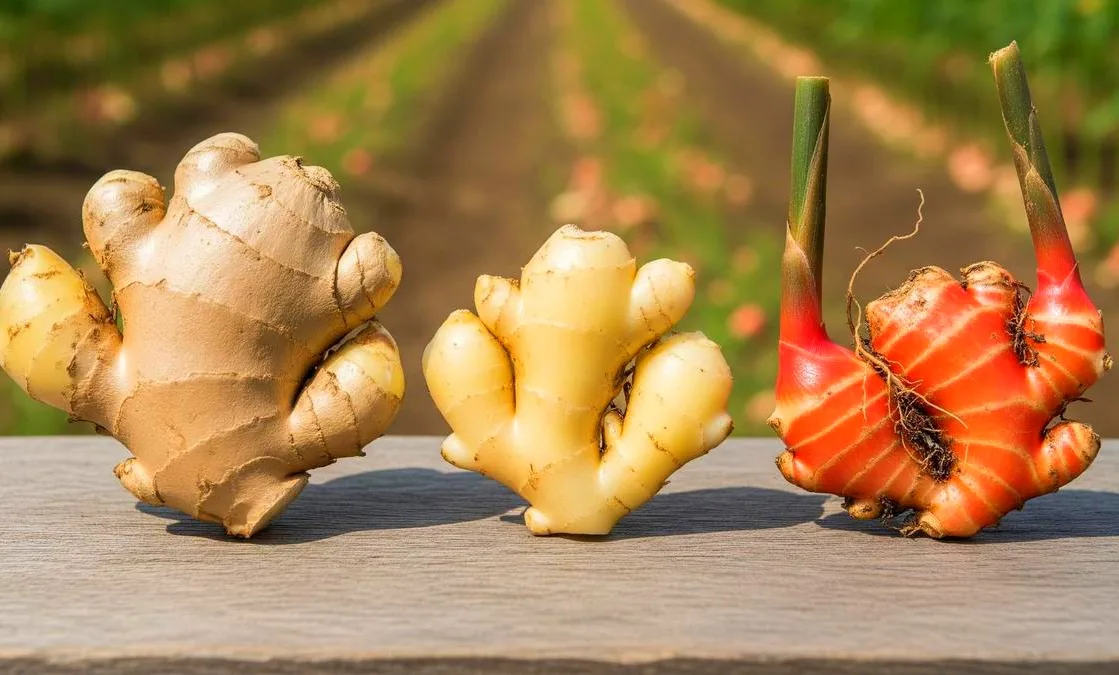
ASIATODAY.ID, JAKARTA — Indonesia is unlocking a new green economy opportunity by transforming agricultural waste into a renewable energy resource. Researchers at the National Research and Innovation Agency (BRIN) have developed technology to convert solid waste from ginger processing into high-quality biomass briquettes, creating new prospects for sustainable investment in clean energy and circular economy industries.
The innovation demonstrates how Indonesia’s agricultural resources can support the global transition toward low-carbon energy while generating new economic value from previously underutilized waste materials.
The research, led by Prof. Anny Sulaswatty from BRIN’s Center for Molecular Chemical Research, focuses on utilizing solid waste generated from the hydrodistillation process of ginger (Zingiber officinale), which has traditionally been considered a residual byproduct.
“Growing production of essential oils from ginger, lemongrass, vetiver, cloves, cinnamon, and various types of wood produces solid biomass waste that can be utilized as raw material for biobriquettes,” Anny said.
She explained that biomass materials with sufficient carbon characteristics can be processed into renewable solid fuel. Ginger waste has significant potential because it contains high levels of lignocellulosic components.
“Solid ginger rhizome waste contains lignin content of 45.98 percent, making it highly suitable as raw material for biobriquettes. Through pyrolysis, the quality of this waste can be further improved,” she added.
Turning Ginger Waste Into Renewable Energy
The BRIN research develops biobriquettes using biochar produced from ginger distillation waste. The process involves drying the biomass, carbonizing it into biochar, mixing it with selected binders, and molding it into solid fuel products.
Researchers analyze various performance indicators, including moisture content, ash content, volatile matter, fixed carbon, density, compressive strength, combustion rate, and calorific value.
The study shows that carbonization improves carbon concentration, modifies the material structure, and creates a more porous biochar composition. The selection of appropriate binders also improves the durability and combustion performance of the resulting briquettes.
This innovation proves that agricultural waste can be transformed into a valuable renewable energy resource rather than remaining an environmental burden.
A New Opportunity for Green Investment
The development of ginger waste-based biobriquettes presents promising investment opportunities in Indonesia’s growing renewable energy sector.
Potential applications include essential oil production centers, herbal industries, agricultural processing facilities, and small and medium enterprises that generate significant biomass waste.
Investment opportunities could emerge across the biomass value chain, including waste collection systems, biochar processing plants, renewable fuel production facilities, and integrated agro-industrial projects.
As global industries accelerate their transition toward cleaner energy, biomass-based fuels are increasingly viewed as a strategic solution to reduce fossil fuel dependence while supporting sustainable economic growth.
“With increasing demand for renewable energy, biomass-based briquettes are a promising alternative. They can reduce dependence on fossil fuels, lower carbon emissions, improve biomass waste management, and create additional value for agriculture and agroindustry,” Anny said.
Strengthening Indonesia’s Circular Economy
Indonesia, as one of the world’s major agricultural producers, has significant potential to develop biomass-based industries by utilizing agricultural residues as renewable resources.
The conversion of ginger waste into clean energy supports the principles of a circular economy — where waste is transformed into new economic value while reducing environmental impact.
BRIN expects the research to become a foundation for wider implementation of biomass utilization technologies at industrial and community levels.
“Biomass waste should no longer be viewed as production residue that must be discarded, but as a renewable resource that can be converted into high-value solid fuel,” Anny emphasized.
The development of ginger waste-based renewable energy highlights Indonesia’s potential to build a greener industrial ecosystem, attract sustainable investment, and contribute to global efforts toward a cleaner and more resilient energy future. (AT Network)
Follow Us at Google News, Instagram, WA Channel, and LinkedIn