
ASIATODAY.ID, BAKU — The world’s major oil producers are entering a new phase of strategic cooperation as OPEC and its non-OPEC partners strengthen coordination to safeguard global energy stability, encourage investment, and address emerging challenges in the international energy landscape.
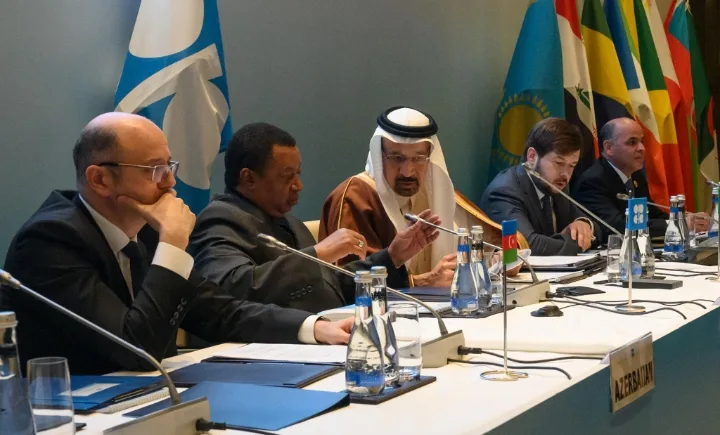
The inaugural Charter of Cooperation (CoC) Technical Committee Meeting was held in Baku, Azerbaijan, bringing together delegates from more than 20 oil-producing countries to establish a long-term cooperation roadmap covering market fundamentals, energy dialogue, technology, innovation, investment, policies, regulations, and industrial standards.
Hosted by Azerbaijan’s Minister of Energy Parviz Shahbazov and chaired by OPEC Secretary General Haitham Al Ghais, the meeting marked a significant step toward transforming the Charter of Cooperation into concrete programs and initiatives.
The framework follows the decision of the 40th OPEC and non-OPEC Ministerial Meeting in November 2025, which approved the CoC structure and tasked the OPEC Secretariat with developing a comprehensive implementation plan.
Strengthening Global Energy Security
Speaking at the meeting in Baku, OPEC Secretary General Haitham Al Ghais highlighted the strong commitment of participating countries to unlocking the full potential of the Charter of Cooperation.
He emphasized that stronger collaboration among producers would help facilitate dialogue with major oil consumers, support market stability, and expand cooperation in technology, innovation, and investment.
“Realizing the objectives of the Charter of Cooperation will benefit oil producers, consumers, investors, and the global economy,” Al Ghais said.
OPEC stressed that oil remains a key pillar of the global economy and energy security, and will continue to play a strategic role in meeting global energy needs for decades to come.
Investment Risks Shape Future Energy Outlook
The Baku meeting comes amid growing concerns over the future balance of the global oil market.
While global oil demand remains strong, declining investment in exploration and production has created new challenges for long-term supply security.
OPEC warned that insufficient investment could increase risks to market stability, highlighting the importance of international cooperation to ensure reliable and predictable energy supplies.
Through the CoC platform, oil-producing nations aim to strengthen coordination, promote technological advancement, and encourage sustainable investment across the energy sector.
Azerbaijan Emerges as Key Energy Cooperation Hub
Azerbaijan’s Minister of Energy Parviz Shahbazov said hosting the first Technical Committee Meeting in Baku reflects the country’s important role in global energy cooperation.
He described Baku, widely recognized as the birthplace of the modern oil industry, as a symbol of international energy partnership and trust.
Shahbazov expressed confidence that the meeting would strengthen dialogue among OPEC+ members, preserve market stability, and advance long-term cooperation among participating countries.
A New Chapter for OPEC+ Cooperation
The Charter of Cooperation was signed on 2 July 2019 by OPEC member countries and non-OPEC participating nations under the Declaration of Cooperation (DoC) framework.
The initiative opened a new chapter in cooperation among major oil producers following the success of OPEC+ coordination in responding to global market disruptions.
With the establishment of the Technical Committee, OPEC+ aims to further develop joint initiatives in energy dialogue, innovation, investment, and industrial cooperation while navigating the rapidly changing global energy environment.
The next meeting of the Charter of Cooperation Technical Committee is scheduled for the end of September 2026. (AT Network)
Follow Us at Google News, Instagram and LinkedIn