
ASIATODAY.ID, JAKARTA – Indonesia is strengthening its role as a strategic manufacturing hub in Asia as global companies continue to expand production capabilities and integrate the country deeper into international supply chains.
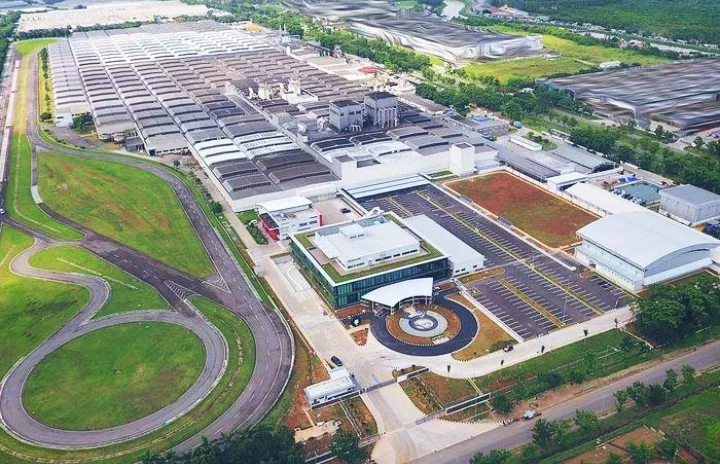
One of the companies reinforcing its long-term presence in Indonesia is Bridgestone, the Japanese tyre manufacturer that has operated in the country for more than five decades and currently exports its products to around 70 countries worldwide.
The company’s commitment to expanding its global market reach was discussed during a meeting between Indonesia’s Trade Minister Budi Santoso and Bridgestone Indonesia management in Jakarta on Tuesday, July 21, 2026.
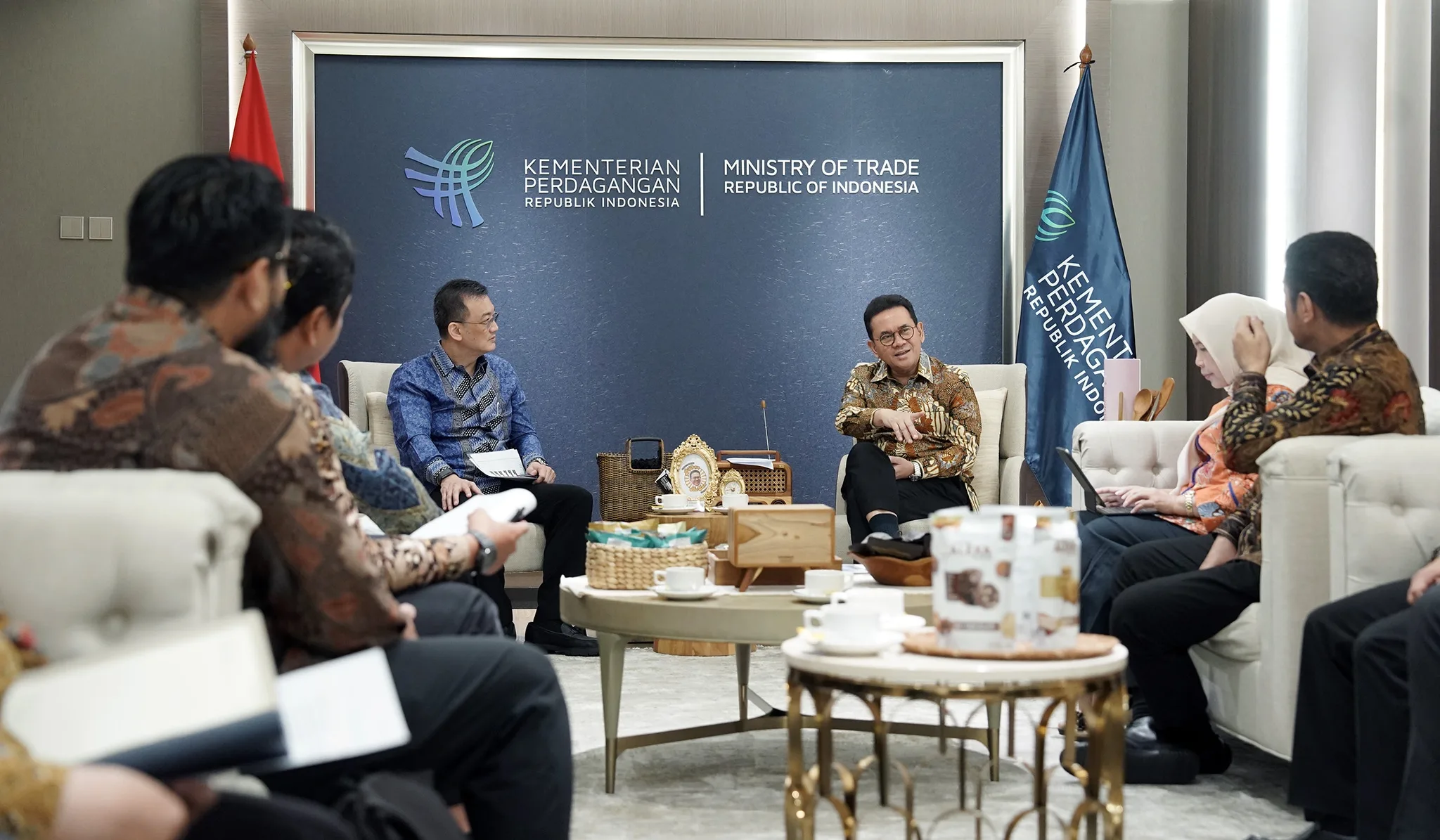
The meeting focused on export expansion, industrial investment development, market access, and strategies to strengthen the competitiveness of Indonesia’s tyre manufacturing sector in global markets.
Minister Budi Santoso said the government continues to support industries with strong export potential by improving trade facilitation and expanding market opportunities through international agreements.
“Indonesia remains committed to facilitating wider market access for Indonesian products, including Bridgestone tyres, through trade agreements that have been implemented as well as those currently under negotiation,” Budi Santoso said.
According to the minister, Indonesia’s expanding network of trade agreements provides greater opportunities for domestic industries to reach global consumers and strengthen their competitiveness.
Indonesia currently has 20 trade agreements already implemented, 15 agreements undergoing ratification, and 11 agreements under negotiation, including the Indonesia–European Union Comprehensive Economic Partnership Agreement (IEU-CEPA).
Indonesia as Bridgestone’s Regional Production Base
Bridgestone Indonesia President Director Mukiat Sutikno said the company appreciates the government’s efforts to strengthen Indonesia’s export ecosystem and improve industrial competitiveness.
Bridgestone Indonesia currently exports its products to approximately 70 countries, with Australia, Japan, and Malaysia among its key markets.
The company has operated in Indonesia since 1973, supported by manufacturing facilities in Bekasi and Karawang, West Java. These facilities have positioned Indonesia as one of Bridgestone’s important production bases in the Asian region.
The company’s presence reflects the growing attractiveness of Indonesia as a destination for manufacturing investment, supported by its large domestic market, industrial ecosystem, and strategic location within regional supply chains.
Addressing Supply Chain and Global Trade Challenges
Despite its strong export performance, Bridgestone Indonesia continues to face several challenges, particularly related to the availability of domestic natural rubber supply.
Mukiat explained that declining national rubber production has required the company to source part of its raw material needs from imports to maintain production continuity and meet global market demand.
The company also highlighted challenges related to mandatory national standards for several components that are not yet produced domestically.
At the international level, Bridgestone Indonesia is closely monitoring the impact of the European Union Deforestation Regulation (EUDR), which affects rubber-based products entering the European market.
The company expects the completion of IEU-CEPA to further strengthen Indonesia’s export competitiveness through improved market access and lower trade barriers.
Government Pushes Export Competitiveness
Responding to industry concerns, Minister Budi Santoso said the government would coordinate with relevant ministries and agencies to address challenges affecting investment, production, and exports.
The Ministry of Trade is also strengthening export services, including the automation of Certificates of Origin (CoO) issuance for partner countries under trade agreements to improve efficiency and accelerate export processes.
Bridgestone Indonesia is also optimizing its Authorized Economic Operator (AEO) facility to improve logistics efficiency and enhance its competitiveness in international markets.
The company continues to implement the Bridgestone E8 Commitment, a global sustainability framework built around eight values: Energy, Ecology, Efficiency, Extension, Economy, Emotion, Ease, and Empowerment.
Through continued investment, innovation, and export expansion, Bridgestone’s operations in Indonesia highlight the country’s growing importance as a competitive manufacturing base connecting Asia and global markets. (AT Network)
Follow Us at Google News, Instagram and LinkedIn