
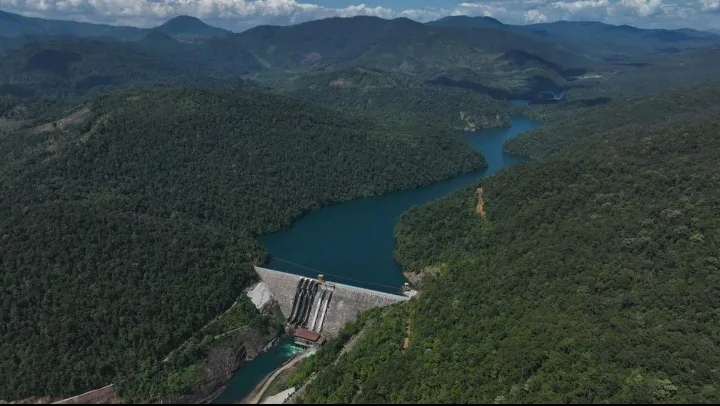
ASIATODAY.ID, JAKARTA — Indonesia’s ambitious drive to expand clean energy is facing a critical challenge: ensuring that the transition delivers not only lower carbon emissions, but also social justice and protection for communities living around renewable energy projects.
A new assessment by Yayasan Tifa (Tifa Foundation) has found that several energy transition projects across six regions have created complex social and environmental challenges, including risks of land loss, ecosystem disruption, declining livelihoods, and increased vulnerability among indigenous communities and other marginalized groups.
The study, titled “Community Vulnerability Assessment on Energy Transition Projects in Six Regions,” identified recurring patterns of distributive inequality, where communities located closest to renewable energy developments often bear the greatest social and environmental impacts while receiving limited direct benefits.
“Energy transition cannot be measured only by carbon reduction targets. It must also be assessed through the protection of human rights, the prevention of forced displacement, and full respect for indigenous peoples’ rights,” said Firdaus Cahyadi, Program Officer for Natural Resources and Climate Justice at Tifa Foundation quoted July 21, 2026.
The findings come as Indonesia accelerates renewable energy development as part of its commitment to reduce greenhouse gas emissions, strengthen energy security, and move away from fossil fuel dependency.
Renewable Energy Growth and Community Risks
Using qualitative research methods, including field observations, guided interviews, policy reviews, academic studies, civil society reports, and media analysis, Tifa Foundation assessed renewable energy projects in six provinces: North Kalimantan, Central Sulawesi, North Sumatra, South Sumatra, Central Java, and South Sulawesi.
The study found that communities most affected include indigenous peoples, farmers, fishermen, livestock breeders, informal workers, women, children, and elderly residents whose livelihoods depend heavily on local ecosystems.
In North Kalimantan, the Kayan and Mentarang Induk hydropower projects have raised concerns over potential impacts on Dayak indigenous communities living in ancestral areas, including villages such as Long Pelban and Long Lejuh.
The assessment also highlighted concerns among project workers regarding labor protections, including limited access to health insurance and reports of excessive working hours.
In Central Sulawesi, the Poso hydropower project has affected communities around Lake Poso, with the study pointing to impacts on traditional fishing practices, cultural heritage sites, and local livelihoods.
The assessment reported that river excavation activities disrupted traditional fishing areas, while flooding during project trials affected livestock farmers, including reported losses of 94 buffaloes in Tokilo Village. Fishermen also experienced declining catches due to changes in water conditions.
Women in indigenous communities were also reported to face additional domestic burdens as access to water resources became more difficult.
Geothermal Projects Raise Environmental Concerns
In North Sumatra, the Sorik Marapi geothermal project was highlighted over concerns related to gas leaks and safety failures that resulted in fatalities among local residents.
The study stated that gas emissions, hot mud flows, and water contamination affected agricultural land and reduced the productivity of local farms and plantations.
In South Sumatra, the Rantau Dedap geothermal project was reported to have affected coffee farmers, with dust from heavy construction vehicles contributing to flower damage and harvest declines of up to 40 percent.
The assessment also noted concerns among the Semendo indigenous community regarding reduced river flows, affecting irrigation systems, household water access, and community-based micro-hydropower electricity.
In Central Java, the Dieng geothermal project was cited in the assessment for incidents involving hydrogen sulfide (H₂S) gas leaks, worker casualties, and environmental impacts affecting surrounding communities.
Waste-to-Energy Project and Informal Workers
In South Sulawesi, the Tamalanrea waste-to-energy project has raised concerns over potential health and livelihood impacts due to its proximity to residential areas and schools.
According to the study, the project could affect thousands of informal waste workers whose livelihoods depend on waste collection and recycling activities.
Tifa Foundation warned that without adequate social safeguards, clean energy development could unintentionally create new inequalities among communities that have contributed the least to climate change.
Towards a Just Energy Transition
The study concludes that Indonesia’s energy transition faces interconnected challenges: loss of natural resources can increase economic vulnerability, environmental degradation can threaten public health, and social exclusion can weaken communities’ ability to participate in decisions affecting their future.
Tifa Foundation urged the Indonesian government and energy transition partners to strengthen social and environmental protections in renewable energy investment planning.
The organization called for the implementation of the Free, Prior, and Informed Consent (FPIC) principle, ensuring that affected communities are meaningfully involved and provide consent before projects begin.
It also recommended fair compensation mechanisms, long-term livelihood restoration programs, stronger protection for vulnerable groups including women, children, and persons with disabilities, as well as independent monitoring systems to evaluate social and environmental impacts.
“Clean energy development must go hand in hand with community protection. A successful energy transition is not only about producing renewable electricity, but also about protecting people, ecosystems, and human dignity,” Firdaus said.
As Indonesia continues to position itself as a major player in the global clean energy transition, the assessment highlights a broader international question: how can countries achieve climate goals while ensuring that no communities are left behind?
(AT Network)
Follow Us at Google News, Instagram and LinkedIn