
ASIATODAY.ID, JAKARTA — Indonesia is strengthening the credibility of its export sector by upgrading its quarantine and biosecurity systems to maintain China’s confidence in Indonesian commodities and secure long-term access to one of the world’s largest markets.
The Indonesian Quarantine Agency (Barantin) has committed to implementing all recommendations from a surveillance audit conducted by China’s General Administration of Customs of the People’s Republic of China (GACC), reinforcing the quality assurance of Indonesian agricultural, fishery, and food products.
Head of Barantin Abdul Kadir Karding said international market confidence is a strategic asset that must be protected through stronger supervision, transparency, and compliance with global standards.
“International market confidence is a valuable asset that must be protected. Barantin will follow up on all audit recommendations quickly, transparently, and measurably to ensure Indonesian products continue to meet the requirements of destination countries,” Karding said.
The GACC audit, conducted over one week, reviewed Indonesia’s quarantine governance, food safety controls, traceability systems, and export compliance mechanisms.
The assessment represents a significant step in strengthening Indonesia–China cooperation to create a safer, more reliable, and sustainable trade environment amid growing global attention on food security and resilient supply chains.
Strengthening Export Quality and Market Access
One of the key commodities evaluated during the audit was Indonesian swiftlet nest products, a high-value export commodity with strong demand in China.
GACC identified several areas requiring improvement, including aluminum levels in certain products, strengthening traceability systems from processing facilities to swiftlet houses, and enhancing exporter compliance monitoring.
In response, Barantin will ensure companies involved complete corrective actions, strengthen supervision at production facilities, and provide transparent progress reports to Chinese authorities.
For Indonesia’s fishery exports, GACC acknowledged that the country’s quarantine supervision system was generally operating effectively. However, further improvements are required in hygiene and sanitation standards, cold-chain management, documentation, traceability, and coordination between Barantin and the Ministry of Marine Affairs and Fisheries.
Barantin will strengthen integrated monitoring throughout the supply chain, ensuring compliance from production areas and processing facilities to final export shipments.
For plant commodities, GACC confirmed that most basic requirements had been fulfilled while recommending improvements in pest control, environmental monitoring, quality management, food safety control systems, laboratory capacity, and digital traceability.
Barantin emphasized that exporters failing to meet agreed requirements may face temporary export suspension until corrective actions are completed and verified.
Indonesia–China Build Stronger Trade Connectivity
The implementation of GACC recommendations is part of a broader effort to deepen quarantine cooperation between Indonesia and China.
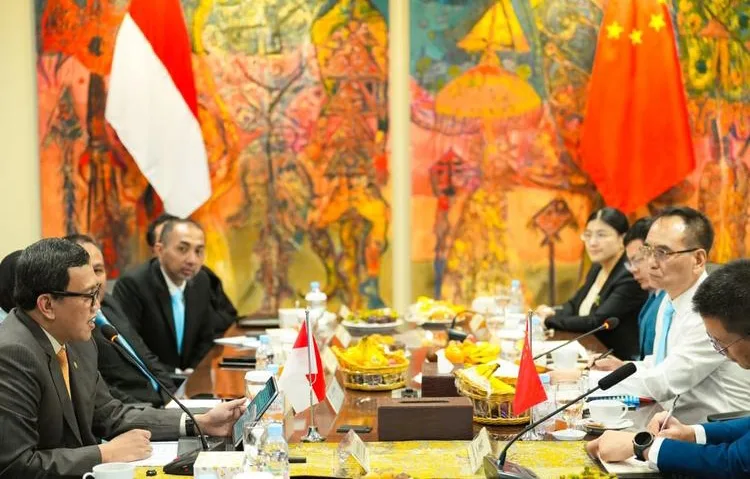
Earlier, Barantin held discussions with a delegation from Fujian Province, China, to strengthen cooperation in quarantine integration and support the development of the Two Countries Twin Parks (TCTP) initiative — a strategic partnership connecting investment, industrial production, and trade networks between the two countries.
Karding said Fujian’s role as one of China’s major trade and logistics centers provides significant opportunities for expanding Indonesian exports, particularly in fisheries, agriculture, food products, and livestock commodities.
“Strengthening this cooperation will make export and import processes faster, more efficient, and more transparent,” Karding said.
China remains one of Indonesia’s largest trading partners for commodities requiring quarantine supervision. During 2025–2026, the value of Indonesia’s quarantine-controlled exports to China reached approximately IDR105 trillion, while imports reached around IDR82.1 trillion.
Indonesia’s major exports included palm oil and derivatives, mud crabs, fresh coconuts, squid, and feathers. Meanwhile, imports from China included garlic, pears, mackerel, pet food, and freshwater ornamental fish.
The cooperation agenda covers harmonizing quarantine requirements, developing inspection facilities that comply with both countries’ standards, conducting joint inspections, and expanding digital exchange of quarantine documents and data.
Trust, Technology, and the Future of Trade
Barantin said digital integration will become a critical element in strengthening transparency and efficiency, allowing commodities to be traced more effectively from origin to destination.
Improved data exchange, stronger laboratory cooperation, and aligned regulatory standards will enhance biosecurity protection while supporting smoother international trade flows.
Vice Governor of Fujian Zhao Zenglian welcomed closer cooperation with Indonesia, expressing readiness to support broader collaboration and create greater market opportunities for Indonesian products in China.
The strengthening of quarantine cooperation reflects a broader transformation in global trade, where market access increasingly depends on trust, quality assurance, and supply chain transparency.
For Indonesia, maintaining China’s confidence is not merely about fulfilling technical requirements. It is a strategic step to protect export reputation, expand global market access, and position Indonesian commodities as trusted products in international markets.
Through stronger cooperation with GACC and Chinese authorities, Indonesia aims to build a resilient trade partnership based on shared standards, technological integration, and long-term economic benefits. (AT Network)
Follow Us at Google News, Instagram and LinkedIn