
ASIATODAY.ID, BANGKOK – Forests across Asia and the Pacific region cover 740 million hectares, accounting for 18 percent of global forest cover. These forests are not only critical for the livelihoods of more than 450 million people, but also play a critical economic role, with annual trade in primary forest products surpassing USD 90 billion.
Amid the challenges posed by climate change and increasing pressure on natural resources, the need for accurate, national forest data has never been more urgent to inform sustainable policies and actions.
In this context, the Food and Agriculture Organization of the United Nations (FAO) has launched the “National Forest Inventory (NFI) Learning Journey” at a regional workshop in Bangkok, Thailand. This innovative, self-paced learning initiative aims to help Member Nations plan, implement, and analyze their national forest inventories. It provides ongoing access to valuable resources to improve forest data management systems and strengthen national capacities.
“Forests are the lungs of our planet. Accurate, accessible, and transparent forest data tailored to national frameworks, allow countries to monitor ecosystems, track progress towards the Sustainable Development Goals (SDGs), and nationally determined contributions (NDCs), which is why National Forest Inventories (NFIs) are so important for collecting and analyzing this data for decision-making”, said Robert Simpson, Deputy Regional Representative, FAO Regional Office for Asia and the Pacific.
The role of NFIs in forest monitoring
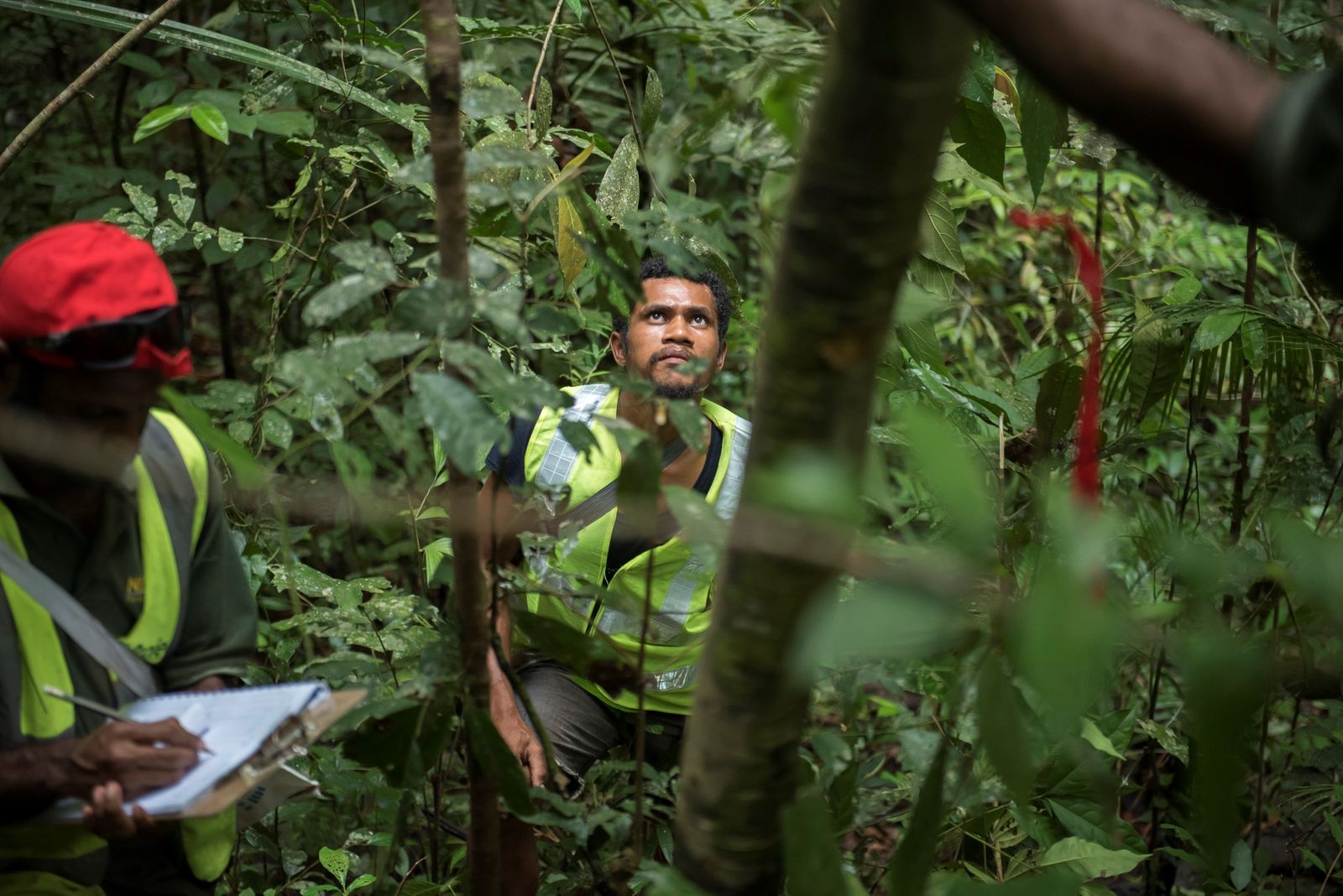
NFIs provide a scientifically sound, field-based approach to assess the status, trends, and potential of forest ecosystems. While remote sensing and artificial intelligence have made strides in forest monitoring, NFIs remain the gold standard for gathering detailed, ground-truthed data — including species composition, biomass, forest degradation, and soil conditions — that satellites alone cannot capture.
Consistent, high-quality forest data forms the basis for national actions such as restoration, conservation, and sustainable forest management, biodiversity conservation plans, evidence-based policymaking, and enable forest data reporting to the FAO (Forest Resource Assessment). NFI data cand also provide the information needed for National Forest Monitoring Systems, and for the reporting of forest mitigation actions to the UNFCCC.
“Reliable forest data empowers countries to take informed forest actions on the ground. It is critical that we empower those that have the responsibility to manage this precious resource, with the best available knowledge and technical solutions. By strengthening national capacities in forest monitoring, we are equipping nations with the tools they need to safeguard their forests and build a more resilient future,” noted Julian Fox, FAO Senior Forestry Officer.
Empowering countries through knowledge
The NFI Learning Journey guides users through all key phases of a national forest inventory, from planning and implementation to data gathering and reporting. The course is designed for various levels of expertise and covers topics such as field data collection, sampling, data analysis, and reporting. Users who successfully complete the final tests will be awarded digital badges, recognizing their proficiency in national forest inventory methodologies.
This self-paced course is available in English, Spanish, and French, and is designed for forestry experts, government agencies, researchers, and others involved in national forest inventories.
A collaborative effort
This initiative is a collaborative effort, supported by key partners, including the Global Environment Facility (GEF) through the “Building global capacity to increase transparency in the forest sector (CBIT-Forest)” project, and the United Kingdom’s Accelerating Innovative Monitoring for Forests (AIM4Forests) Initiative. These partnerships reflect FAO’s commitment to enhancing forest monitoring knowledge-sharing globally.
The launch event brought together forestry officials, technical experts, and institutional partners from 12 Member Nations in Asia and the Pacific region – Bangladesh, Bhutan, Cambodia, Indonesia, Laos, Mongolia, Nepal, Papua New Guinea, the Philippines, Thailand, Timor-Leste, and Viet Nam. Regional partners, including the Asian Forest Cooperation Organization (AFoCO), also participated.
FAO’s Forestry Roadmap: From Vision to Action, 2024–31 underscores forests’ dual role in both protecting and restoring forests and driving productivity. The roadmap outlines strategic actions to guide sustainable forest management over the next decade, with a focus on science and innovation to scale up solutions.
Strengthening forest data across the region
FAO’s efforts to enhance national forest monitoring systems (NFMSs) are critical for improving forest data transparency and advancing climate action in Asia and the Pacific region. As Member Nations continue to make strides in forest management, strengthening NFIs at the regional level is essential for providing consistent and accurate data. This, in turn, will help Member Nations meet their commitments to sustainable forest management, ecosystem health, and climate mitigation.
FAO encourages all relevant stakeholders—governments, forestry experts, researchers, and institutions—to explore the NFI Learning Journey and strengthen their national capacities in forest monitoring. (AT Network)
Follow Us at Google News and WA Channel