
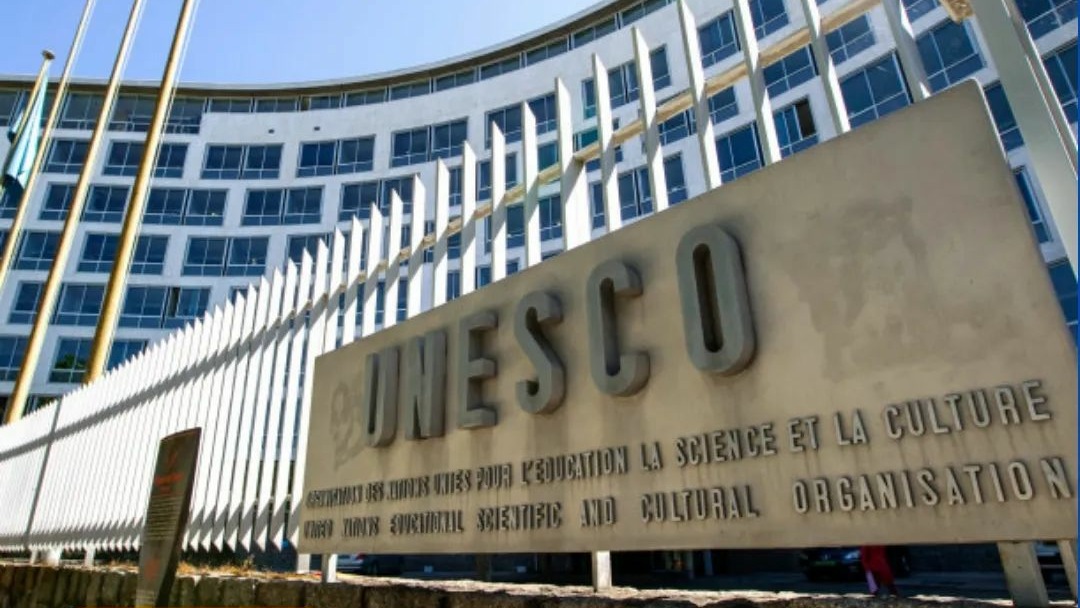
ASIATODAY.ID, KASANE – The UNESCO Intangible Cultural Heritage (ICH) Convention Committee has designated Jamu Healthy Culture as a UNESCO Intangible Cultural Heritage on 6 December 2023.
Jamu Healthy Culture is the 13th Indonesian Intangible Cultural Heritage which has been successfully inscribed on UNESCO’s Intangible Cultural Heritage list.
Previously, Indonesia had inscribed 12 other cultural elements as UNESCO Intangible Cultural Heritage, namely Wayang (2008), Keris (2008), Batik (2009), Batik Education and Training (2009), Angklung (2010), Saman Dance (2011), Noken (2012), Three Traditional Dance Genres in Bali (2015), The Art of Pinisi Shipbuilding (2017), The Pencak Silat Tradition (2019), Pantun (2020), and Gamelan (2021).
Healthy Culture Jamu includes traditional skills and cultural values related to traditional natural medicines made from plants and spices as well as traditional healing methods that aim to improve health by increasing the body’s immunity.
The Jamu culture is believed to have existed since the 8th century AD, as evidenced by the reliefs at Borobudur Temple and ancient manuscripts such as the Kakawin Ramayana and Serat Centini.
UNESCO notes the cultural value of herbal medicine as a means of cultural expression and building connections between humans and the universe. UNESCO also recognizes that Herbal Healthy Culture supports the Sustainable Development Goals, including Goal number 3. Health and Well-being, number 5. Gender Equality, number 12 Responsible Production and Consumption, and number 16 Life on Land.
The Indonesian Minister of Education, Research and Technology, Nadiem Makarim, expressed his pride in the designation of the Healthy Jamu Culture as an Intangible Cultural Heritage by UNESCO.
“From ancient times until now, herbal medicine culture has continued to be studied, developed and passed down from generation to generation. “Jamu has become part of the way of life in Indonesia,” he said.
Nadiem Makarim also said that Indonesia will continue to preserve herbal medicine through formal and non-formal education and training, as well as through research, development and innovation in herbal medicine.
Indonesia’s Extraordinary Plenipotentiary Ambassador to the Republic of South Africa and the Republic of Botswana, the Kingdom of Eswatini and the Kingdom of Lesotho, Saud Purwanto Krisnawan said that the designation of Jamu Healthy Culture as an Intangible Cultural Heritage is a positive thing in order to continue to promote Indonesian culture.
He stated that the Indonesian Embassy in Pretoria, in commemoration of the 30th anniversary of diplomatic cooperation between Indonesia and South Africa, would promote herbal medicine through various activities such as exhibitions, workshops and others. He believes this activity will be further intensified in diplomacy in the coming years.
Deputy Permanent Delegation of Indonesia to UNESCO, Prof. Ismunandar added that the process of establishing Jamu Healthy Culture as a UNESCO Intangible Cultural Heritage was a joint effort driven by the local community, facilitated by the Government.
“This community involvement is considered very positive by UNESCO, and is even said to be an example for other countries,” he said.
Prof. Ismunandar expressed his hope that the inscription of Jamu as a UNESCO Intangible Cultural Heritage could increase the awareness and love of Indonesian people for Jamu, and Intangible Cultural Heritage in general. (AT Network)
Check out other news and articles at Google News