
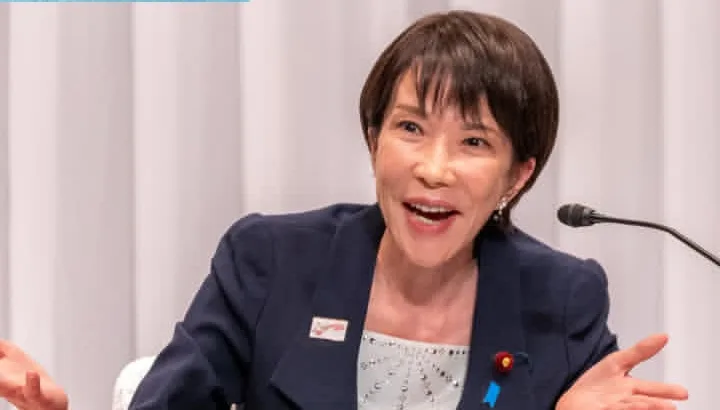
ASIATODAY.ID, TOKYO – Japan has made history as Sanae Takaichi was officially elected as the country’s first female prime minister after winning a parliamentary vote on Tuesday, October 21, 2025.
The veteran Liberal Democratic Party (LDP) lawmaker, long regarded as a hardline conservative, is expected to strengthen Japan’s national defense and deepen its alliance with the United States amid growing tensions with China.
At 64, Takaichi is often called “Japan’s Iron Lady,” drawing comparisons to her political idol, former British Prime Minister Margaret Thatcher. Known for her staunch conservatism and nationalism, Takaichi has long advocated revising Japan’s pacifist postwar constitution to formally recognize the Self-Defense Forces as a national army.
She has also championed higher defense spending and closer military cooperation with the U.S., continuing the legacy of the late Prime Minister Shinzo Abe, her political mentor and ideological ally.
Nationalist Views and Controversial Positions
A vocal nationalist, Takaichi is no stranger to controversy. She has repeatedly visited Tokyo’s Yasukuni Shrine, which honors Japan’s war dead, including those convicted as war criminals after World War II — a practice that has drawn condemnation from China and South Korea. Takaichi insists her visits are personal tributes, not political acts, and argues that Japan’s wartime conduct has been “exaggerated.”
Domestically, she opposes same-sex marriage, supports male-only imperial succession, and rejects allowing married couples to use separate surnames — positions that appeal to Japan’s conservative voters but have fueled criticism from progressives.
Immigration, Border Security, and Defense Priorities
Takaichi has emphasized tight border control and stricter immigration and refugee policies, arguing for tougher action on visa overstays, overtourism, and foreign land acquisitions near strategic sites.
In foreign policy, she regards China’s expanding military influence as a direct threat and has urged stronger deterrence measures, including the possibility of a security pact with Taiwan.
Observers say Takaichi is also unlikely to seek rapprochement with Russia, given her repeated assertions of Japan’s sovereignty over the southern Kuril Islands, which were seized by the Soviet Union in 1945 after Japan’s surrender.
Steering Japan through Economic and Demographic Challenges
Takaichi takes office during one of Japan’s most turbulent periods in recent history. The country faces a record-low birth rate, a rapidly aging population, stubborn inflation, and mounting public frustration over political scandals that have eroded confidence in the ruling LDP.
Analysts note that her premiership will test whether Japan can balance nationalist security ambitions with the urgent need to revitalize the economy and restore public trust.
As the nation’s first woman to hold the top post, Takaichi’s leadership also carries symbolic weight — marking both a historic milestone and a decisive turn toward a more assertive, conservative Japan on the world stage. (AT Network)
Follow Us at Google News and WA Channel