
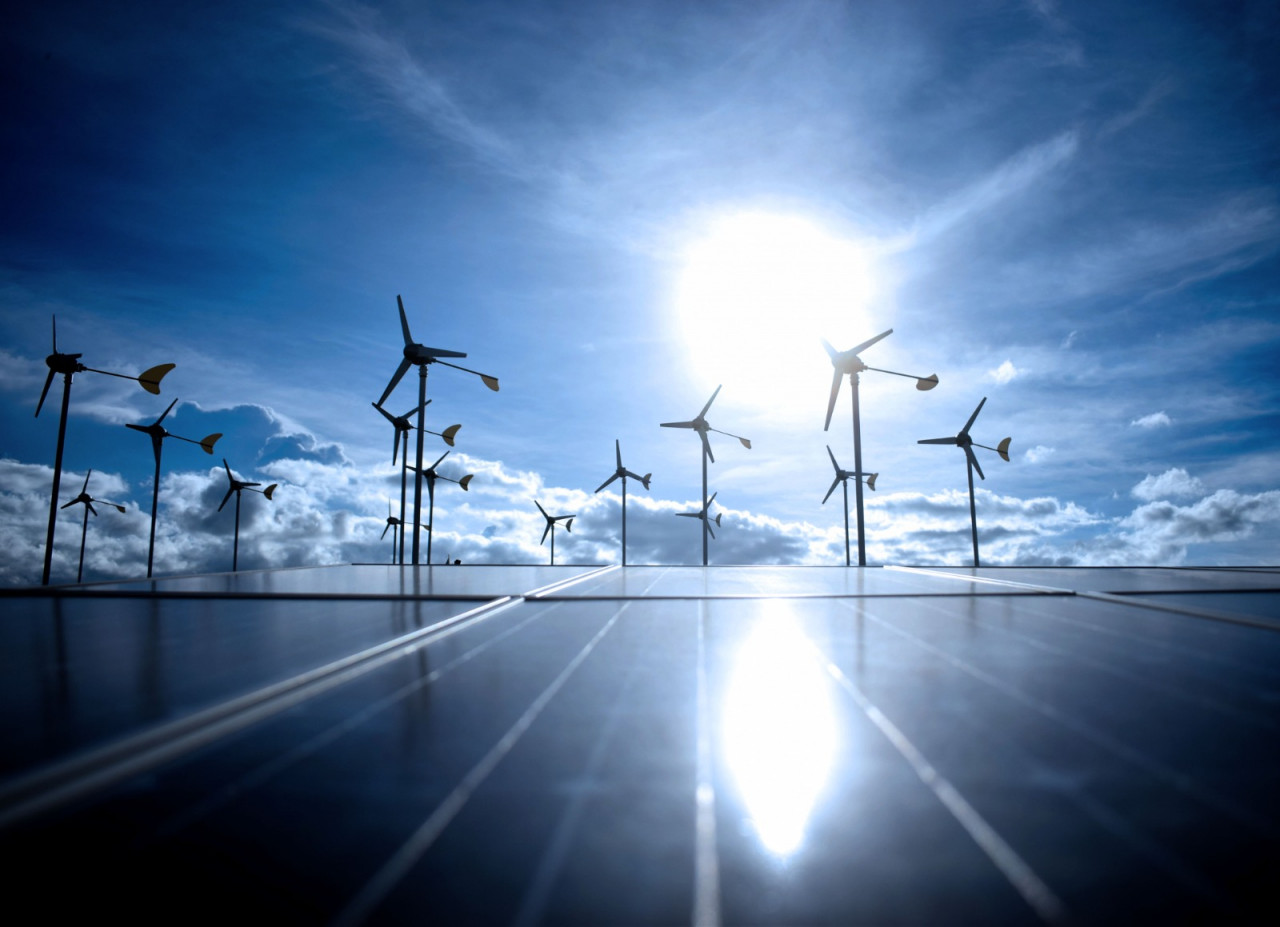
ASIATODAY.ID, JAKARTA – Southeast Asia is at the peak of a significant renewable energy transformation. The latest report from McKinsey & Company and the Singapore Economic Development Board (EDB) reveals that this area has large clean energy potential, estimated at 16 terawatts (TW) of solar power and 1 TW of wind energy.
But despite that potential, non-business renewable energy penetration will currently only reach 5 percent in 2022. This report emphasizes the urgency for Southeast Asia to accelerate the use of renewable energy.
“To achieve the target of net zero emissions between 2050 and 2060, the region needs to significantly increase annual renewable energy capacity additions, especially for solar power and onshore wind power,” according to the report as reported by SQ, Tuesday, 14 May 2024.
The good news is that there is a clear path forward. This report outlines several opportunities to drive renewable energy growth in Southeast Asia. For example, by building a strong ecosystem that encourages collaboration between government, business and research institutions.
The report also identifies sizable investment opportunities in the development of renewable energy projects and clean energy manufacturing that are attractive to domestic and international players.
“Regional collaboration and power purchase agreements (PPAs) can also help unlock clean energy resources and facilitate cross-border electricity trade,” the report said.
Not only that, countries in Southeast Asia can also take advantage of technological advances such as battery storage and smart grids which will optimize the integration of renewable energy into the electricity grid. By taking advantage of these opportunities, Southeast Asia can not only achieve its clean energy goals but also unlock economic benefits.
The report estimates the development of a strong renewable energy manufacturing sector in the region could generate revenues of US$90-US$100 billion by 2030 and create millions of new jobs. (ATN)
Follow Us at Google News and WA Channel