
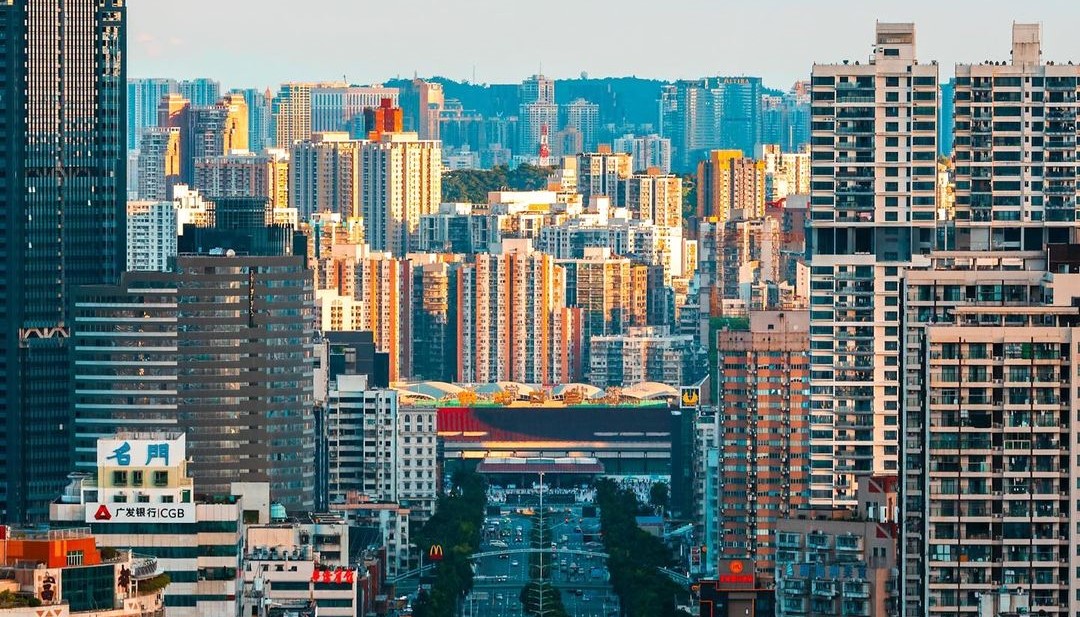
ASIATODAY.ID, JAKARTA – China is facing an unresolved property crisis. China’s government is starting to consider measures to reduce the excess stock of homes to end an unprecedented decline in prices.
Currently, there are around 60 million apartment units that have not been sold. According to Bloomberg Economics, Friday, May 31 2024, this amount is estimated to take more than 4 years to be sold without government assistance.
The housing oversupply is dragging down house prices at the fastest pace in the last decade. This also encourages people not to buy property, especially in big cities.
To break the cycle, China’s Central Bank has announced incentives worth US$41 billion for local governments to buy unsold homes.
On the demand side, lower down payments and mortgage interest are needed to attract more home buyers. However, now we can only wait for the results of this policy to end the housing crisis in the country.
“The number of unsold homes is currently a record in China’s history,” said Jay Lau, a property analyst at S&P Global Ratings.
According to him, the latest policy from the Chinese government will only be a temporary driver for reducing the number of unsold properties. The condition of property sales in tier-1 cities is also not very encouraging, it will take around 27 months to sell the supply of new homes as of April 2024, according to China Real Estate Information Corp. This time span is the longest in the last 7 years.
In comparison, the United States (US) took 9 months to sell the supply of new homes. Three major cities in China, namely Shanghai, Shenzhen and Guangzhou, have made things easier for buyers by lowering down payments and making room for cheaper credit.
Analysts project that the Beijing government will also do the same. The reason is, China’s capital city has the longest time period for selling housing supplies.
“There has been a fundamental shift in homebuyers’ confidence in the largest cities in the long term,” said Yan Yuejin, director of the E-house China Research & Development Institute.
“Even though second-tier cities have higher housing stock, the biggest supply problem lies in the big cities.”
In April, about 80% of Chinese cities had supply absorption rates worse than the 18-month “warning line,” according to CRIC. This comes even after developers refrained from offering new projects amid sluggish sales, causing new supply to shrink 20% from March. (ATN)
Follow Us at Google News and WA Channel