
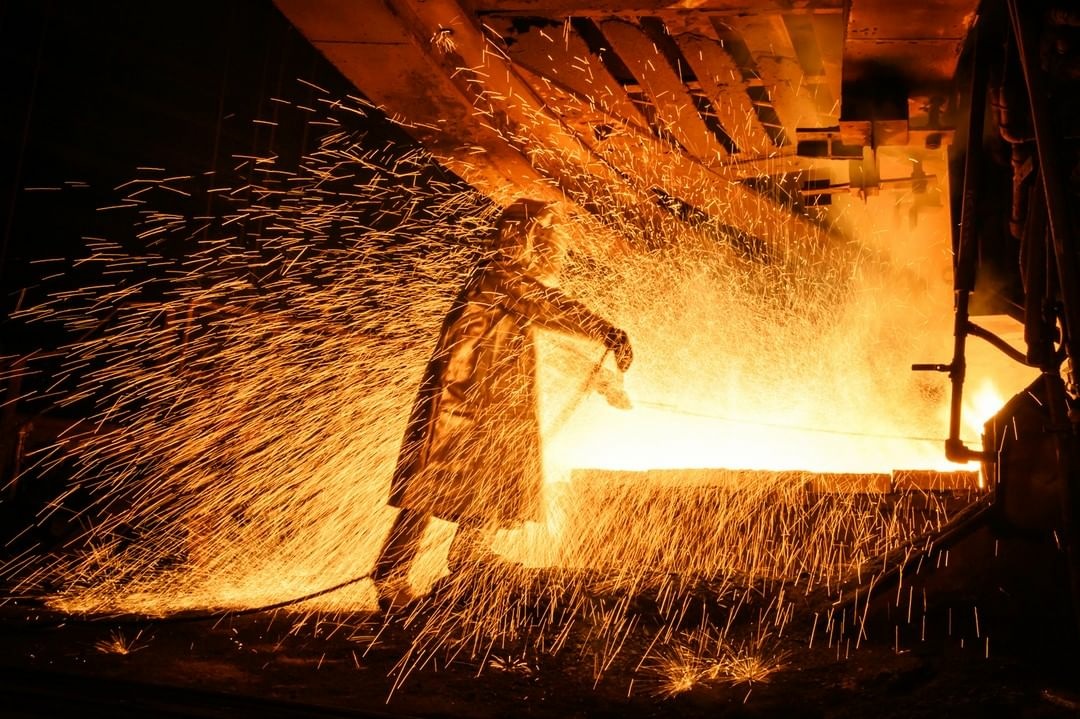
ASIATODAY.ID, JAKARTA – Indonesia’s nickel industry is once again in the global spotlight. From the European Union’s lawsuit at the World Trade Organization (WTO), to the United States’ additional tariffs, and a negative campaign branding Indonesian nickel as “dirty nickel” due to alleged environmental issues.
In response, the Indonesian Nickel Industry Forum (FINI) emphasized that the national nickel sector is progressing steadily toward sustainability, with many downstream companies adopting responsible environmental practices, good governance, and delivering tangible social and economic benefits to local communities.
Arif Perdanakusumah, Chairman of FINI, stated that the government has implemented strict environmental regulations, which are closely monitored.
“These regulations are mandatory, and all players in the downstream nickel industry must operate responsibly,” said Arif on Tuesday, May 20, 2025.
He added that since the launch of Indonesia’s downstreaming program in 2014, the country has become the world’s largest nickel producer, now commanding over 60% of the global market share.
“This initiative has significantly contributed to state revenue, job creation, technology transfer, and various multiplier effects,” he explained.
Furthermore, several companies are currently pursuing global certification through organizations such as the Initiative for Responsible Mining Assurance (IRMA), which assesses sustainable and responsible mining practices.
“This demonstrates our industry’s seriousness in complying with international standards,” Arif added.
Global Rivalry and the Dirty Nickel Narrative
Addressing the growing international criticism, Arif pointed out that the so-called “dirty nickel” campaign is part of an unhealthy global competition.
“Indonesia’s success in nickel downstreaming is seen by other nations as a threat to global supply chains, prompting various efforts to undermine it,” he noted.
According to Arif, instead of fixating on negative narratives, the world should recognize Indonesia’s positive contributions, such as attracting investment, diversifying global supply chains, and advancing alternative technologies.
Echoing FINI’s remarks, Meidy Katrin Lengkey, Secretary General of the Indonesian Nickel Miners Association (APNI), said the “dirty nickel” label is unfair. She believes Indonesia’s rapid success in the global nickel market has sparked concern among other nations.
“Indonesia now controls more than 60% of the global market. This makes us a key player in the future energy supply chain—especially as a major supplier of raw materials for electric vehicle (EV) batteries,” Meidy stated.
She also emphasized the industry’s economic contributions to regional development, especially in Sulawesi, North Maluku, and other key mining zones, where local revenues and employment have significantly increased. Additionally, the government’s non-tax revenue (PNBP) from nickel has surged thanks to royalty contributions.
APNI, Meidy said, is firmly committed to energy transition and environmental preservation. Several of its members have adopted electric vehicle (EV) technologies for trucks and heavy equipment, and have collaborated with experts to mitigate water pollution risks.
“We’ve consulted with water experts to explore ways to extract pollutants, ensuring minimal impact on local communities, agriculture, and irrigation systems,” she explained.
She also revealed that many APNI member companies are undergoing audits by IRMA, which is known as one of the most rigorous and independent sustainability assessment bodies in the mining sector.
“IRMA is among the strictest sustainability standards worldwide. Its board includes civil society organizations that are highly critical,” she added.
In addition to environmental efforts, APNI has also engaged with global EV manufacturers such as Tesla, Mercedes-Benz, and BMW to discuss Indonesia’s nickel supply chain.
“They understand that Indonesia’s conditions are unique and should not be compared directly to those in Europe,” Meidy emphasized.
Smelter Expansion Must Align with Reserves
As of today, Indonesia has 95 operating nickel smelters, with projections reaching 145. However, Meidy warned that smelter development must be aligned with available nickel reserves.
“We’ve been urging the government to halt new smelter investments for the past two years because our reserves are limited. Recently, several smelters even had to import nickel ore from the Philippines—that’s a fact,” she concluded. (AT Network)
Follow Us at Google News and WA Channel