
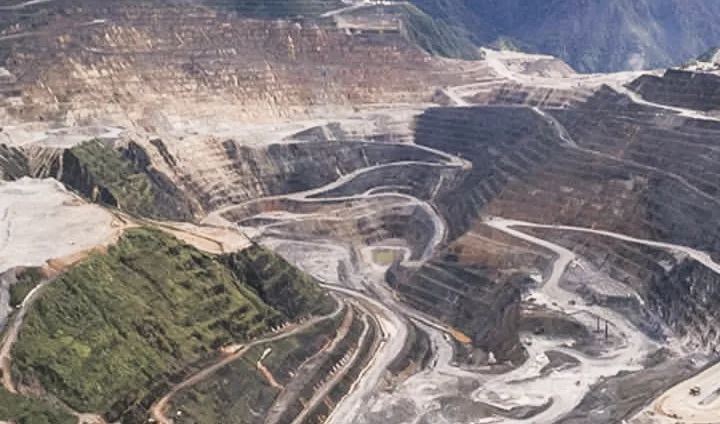
ASIATODAY.ID, PORT MORESBY — Papua New Guinea (PNG) has once again drawn international attention after the World Bank approved US$150 million in budget support, explicitly aimed at addressing long-standing revenue leakages from the country’s vast natural resource sector—an industry that has fueled economic growth but failed to deliver broad-based prosperity.
Despite being rich in mining, oil, and gas, PNG’s economic structure remains deeply paradoxical. Most citizens still rely on subsistence agriculture and informal employment, while government revenues from resource extraction remain low, volatile, and disproportionate to the scale of wealth leaving the country.
For years, this imbalance has constrained public investment in essential services, job creation, and long-term economic resilience.
Tax Reform: The State Begins to Reclaim Lost Revenue
The World Bank–backed program is designed to accelerate structural reforms, particularly in taxation and state-owned enterprise governance. At the core of the reform agenda is a new Income Tax Bill, introducing a capital gains tax and strengthening compliance requirements for foreign companies to ensure profits repatriated offshore are properly reported and taxed.
The move signals a decisive attempt by the PNG government to curb tax avoidance practices that have historically drained public revenue from the mining and energy sectors.
These reforms are reinforced by a revised State-Owned Enterprise (SOE) Dividend Policy, mandating higher and more predictable dividend transfers to the national budget—addressing years of weak fiscal contributions from public enterprises.
“Papua New Guinea has not been getting the returns it should from its immense resource wealth. These reforms can help change that,” said Han Fraeters, World Bank Country Director for Papua New Guinea, Solomon Islands, and Vanuatu on December 15, 2025.
“By strengthening revenue systems and directing more resources toward health, education, and jobs, PNG can build a more stable and resilient economy. The critical challenge now lies in implementation.”
Trade Facilitation and Support for the Real Economy
Beyond taxation, the reform package includes the Biosecurity Bill 2025 and the rollout of a National Trade Portal, aimed at reducing trade barriers, easing export procedures, and unlocking growth for agribusinesses and small enterprises—sectors that employ the majority of PNG’s workforce but remain structurally under-supported.
Disaster Financing Amid Rising Climate Risks
Of the total financing, US$50 million is allocated through a Catastrophe Deferred Drawdown Option (Cat DDO), allowing the government to immediately access funds following a major disaster to sustain essential services and support affected communities. This marks PNG’s first use of the Cat DDO instrument, reflecting growing exposure to climate-related disasters and public health emergencies.
As part of this arrangement, PNG has committed to strengthening national disaster preparedness, including the establishment of real-time health data systems and enhanced search-and-rescue coordination.
Reform Under External Pressure
The World Bank’s support offers Papua New Guinea a pathway out of the classic resource-rich, revenue-poor trap. At the same time, it underscores a hard reality: deep fiscal reforms often advance only under external pressure.
Ultimately, success will not be measured by the size of the financing package, but by the government’s willingness to enforce taxation, regulate powerful corporate actors, and ensure that resource wealth is retained for public benefit—rather than continuing to flow offshore. (AT Network)
Follow Us at Google News and WA Channel