
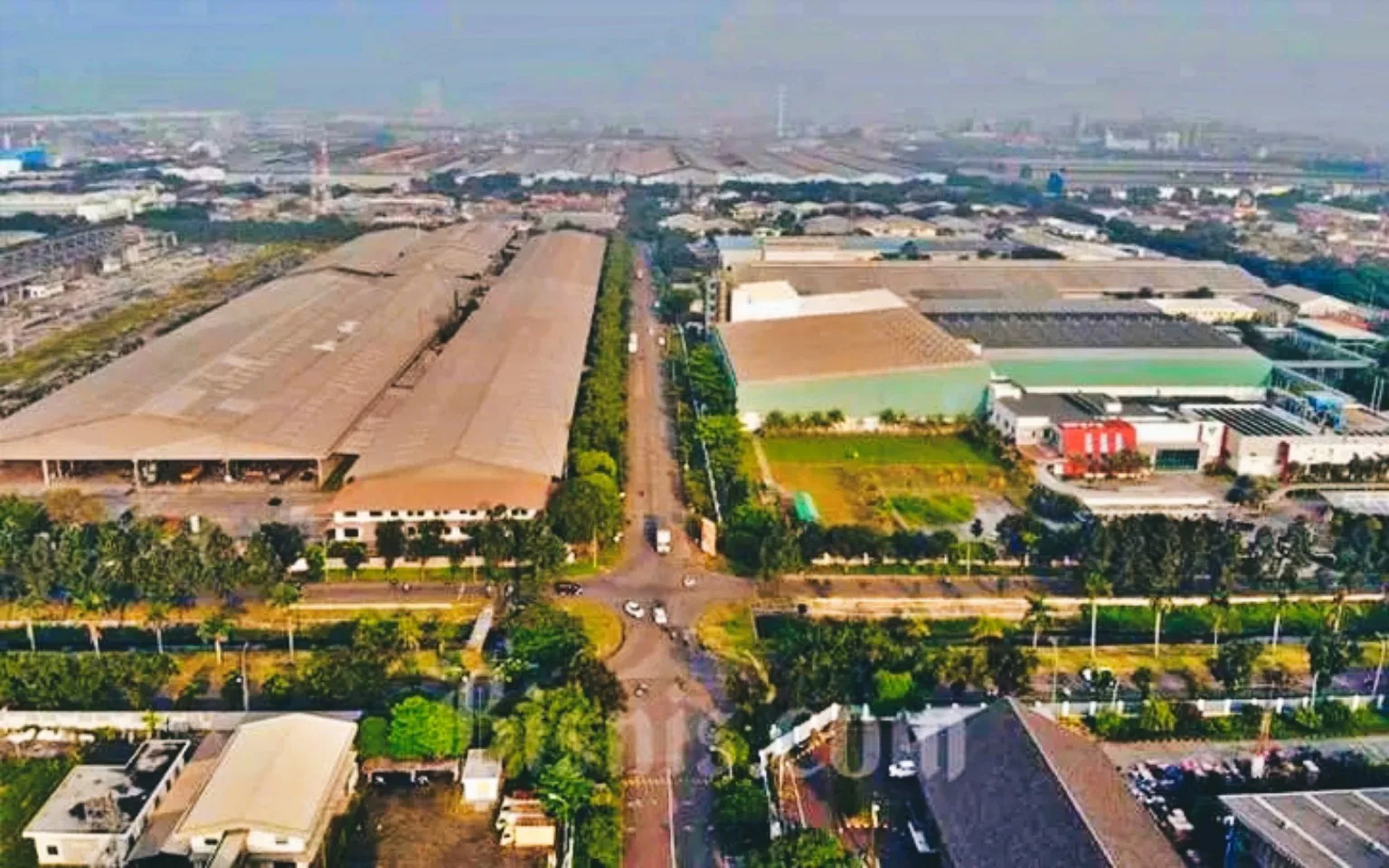
ASIATODAY.ID, JAKARTA — Indonesia is set to expand its Special Economic Zone (SEZ) program with six new zones awaiting final government approval, opening an investment pipeline worth IDR846 trillion (approximately USD 52 billion) as the country strengthens its long-term industrial and investment strategy.
The proposed SEZs are currently awaiting individual government regulations, a legal requirement before each zone can officially begin operations. The government is also finalizing the management authorities that will oversee the new economic zones.
Secretary of the Coordinating Ministry for Economic Affairs Susiwijono Moegiarso said the regulatory process is progressing while investor interest in Indonesia continues to accelerate.
“There are six SEZs currently awaiting approval because each zone requires its own government regulation,” Susiwijono said.
He added that the steady flow of new proposals demonstrates continued confidence among investors.
“Today alone, another major business group submitted a proposal. This shows that Indonesia remains a highly attractive investment destination,” he said.
Manufacturing Drives Foreign Investment
The government said much of the investment interest comes from foreign direct investment (FDI), particularly in manufacturing industries that continue to expand their presence in Indonesia.
As of the first quarter of 2026, cumulative investment across Indonesia’s SEZs had reached IDR353.5 trillion, while creating employment for approximately 266,000 workers.
Three industrial SEZs—Gresik, Kendal, and Galang Batang—have already proposed major expansions, with their development areas expected to nearly double in size to accommodate rising investor demand.
Those expansion projects alone are projected to generate an additional IDR846 trillion (USD 52 billion) in investment over the coming years, highlighting the scale of Indonesia’s next phase of industrial growth.
Building Southeast Asia’s Next Industrial Powerhouse
Indonesia has made Special Economic Zones a central pillar of its industrial development strategy, offering investors dedicated infrastructure, fiscal incentives, streamlined licensing, and integrated industrial ecosystems.
Combined with downstream mineral processing, expanding transport infrastructure, and a large domestic market, the SEZ program is helping position Indonesia to attract higher-value manufacturing, export-oriented industries, and long-term strategic investment.
As six new Special Economic Zones move closer to approval, Indonesia is reinforcing its ambition to become not only Southeast Asia’s largest economy, but also one of the region’s most competitive destinations for global manufacturing and industrial investment. (AT Network)
Follow Us at Google News, WA Channel, and LinkedIn