
ASIATODAY.ID, JAKARTA — Indonesia and Malaysia are exploring new opportunities for oil and gas cooperation in maritime border areas, including the Ambalat and Ligitan-Sipadan regions, in a move that could strengthen energy security and deepen bilateral ties between the two Southeast Asian neighbors.
The initiative emerged following an offer from Malaysia’s Sabah government to collaborate in developing oil and gas working areas located near the Indonesia–Malaysia maritime border, according to Indonesia’s upstream oil and gas authority, the Special Task Force for Upstream Oil and Gas Business Activities (SKK Migas).
SKK Migas Head Djoko Siswanto said the proposal provides an opportunity to optimize the potential of strategic energy resources through cooperation while maintaining constructive relations between the two countries.
“Sabah, Malaysia has offered cooperation for the development of oil and gas working areas located in the Indonesia–Malaysia border region, including the Ambalat and Ligitan-Sipadan blocks,” Djoko said in a statement on Monday, July 13, 2026.
The discussion took place during the signing of an extension agreement for the Floating Production Storage and Offloading (FPSO) Bukit Tua facility, involving Malaysia’s national energy company Petronas and Indonesian stakeholders.
The signing ceremony was attended by senior officials from both countries, including Sabah Finance Minister and SMJ Energy Chairman Datuk Seri Panglima H. Masidi Hajun, Petronas executives, and SKK Migas representatives.
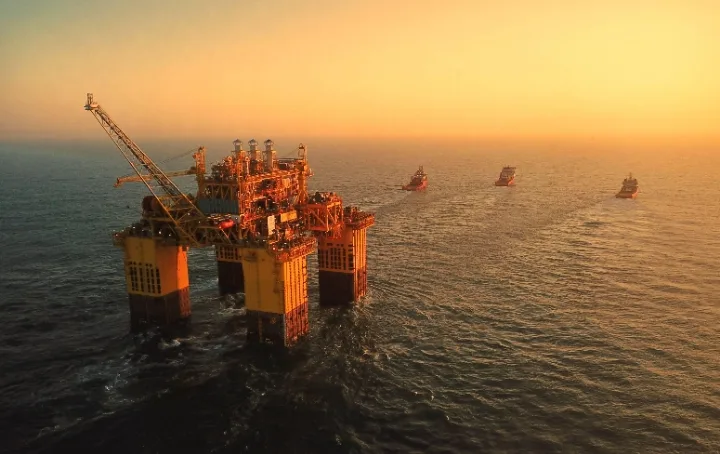
The FPSO Bukit Tua facility is expected to continue supporting offshore oil and gas production activities, ensuring operational continuity for Petronas-operated projects and helping maintain national energy supply.
“The extension is carried out to ensure oil and gas production continues without interruption and to guarantee the sustainability of production from development projects currently underway,” Djoko said.
The facility will support several key fields, including Hidayah, Barokah, and Bukit Panjang, which are considered important components of future upstream oil and gas development.
Beyond its economic potential, cooperation in border energy areas carries strategic significance for Southeast Asia. The Ambalat region, in particular, has historically been a sensitive area due to overlapping maritime interests between Indonesia and Malaysia.
A cooperative approach to resource development could provide a framework for economic partnership while supporting stability and trust-building between the two ASEAN members.
The potential collaboration comes amid increasing efforts across Asia to secure reliable energy supplies, attract investment, and strengthen regional connectivity through cross-border economic cooperation.
For Indonesia and Malaysia, closer energy collaboration could become a new pillar of bilateral relations, complementing existing cooperation in trade, investment, and regional diplomacy. (AT Network)
Follow Us at Google News, Instagram, WA Channel, and LinkedIn