
ASIATODAY.ID, NEW YORK – The escalating conflict between the United States and Iran is triggering fresh concerns across Asia as renewed military strikes threaten the stability of the Strait of Hormuz, one of the world’s most critical energy and trade corridors.
United Nations Secretary-General António Guterres has urged Washington and Tehran to immediately return to negotiations, warning that further escalation could have “catastrophic consequences” for regional populations, the global economy, and international security.
The call came after a wave of attacks and counterattacks in the Gulf region intensified tensions, with the United States reporting strikes against around 140 targets following an Iranian attack on a vessel navigating the strategic waterway.
Iran later launched attacks targeting a US base in Jordan, while several Gulf countries, including the United Arab Emirates, Bahrain, Oman, and Kuwait, reported missile and drone attacks.
“The Secretary-General urges Iran and the United States to urgently resume negotiations and to address outstanding issues through diplomacy,” UN spokesperson Stéphane Dujarric said.
Asia Faces Energy and Shipping Risks
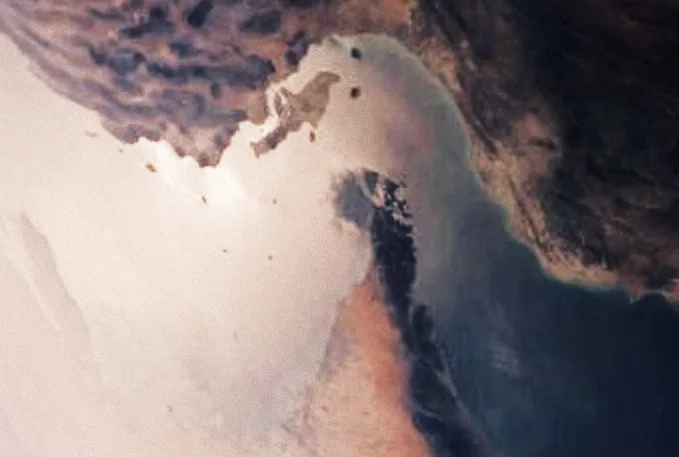
The Strait of Hormuz, located between Iran and Oman, serves as a vital gateway for global energy supplies. A significant portion of the world’s crude oil and liquefied natural gas shipments pass through the narrow waterway, making any disruption a major concern for energy-importing economies.
The renewed conflict has already affected maritime activity, with shipping through the strait coming to a near standstill and thousands of seafarers reportedly stranded aboard vessels.
For Asia, the impact could be substantial. Major economies including China, India, Japan, South Korea, and Southeast Asian countries rely heavily on energy imports from the Middle East.
A prolonged disruption could push up oil and gas prices, increase production costs, and add inflationary pressure at a time when many Asian economies are still navigating global economic uncertainty.
UN Calls for Freedom of Navigation
The head of the UN International Maritime Organization (IMO) has called for caution, urging vessels to avoid transit through the Strait of Hormuz until adequate safety conditions are restored.
Guterres stressed that freedom of navigation must be guaranteed after several merchant ships were reportedly hit despite previous diplomatic efforts between Washington and Tehran.
“The Secretary-General is deeply concerned by the serious escalation,” the UN said, calling on all parties to exercise maximum restraint and avoid actions that could trigger a wider regional war.
Global Economy at Risk
Analysts warn that a prolonged Hormuz crisis could extend beyond energy markets, affecting global trade flows, logistics costs, and investor confidence.
For Asia, the world’s largest manufacturing hub, disruptions to energy supplies and shipping routes could create additional pressure on industries ranging from manufacturing and transportation to petrochemicals and power generation.
The United Nations continues to push for diplomatic solutions, warning that preventing a broader conflict remains essential to protecting regional stability and the global economy. (AT Network)
Follow Us at Google News, Instagram, WA Channel, and LinkedIn