
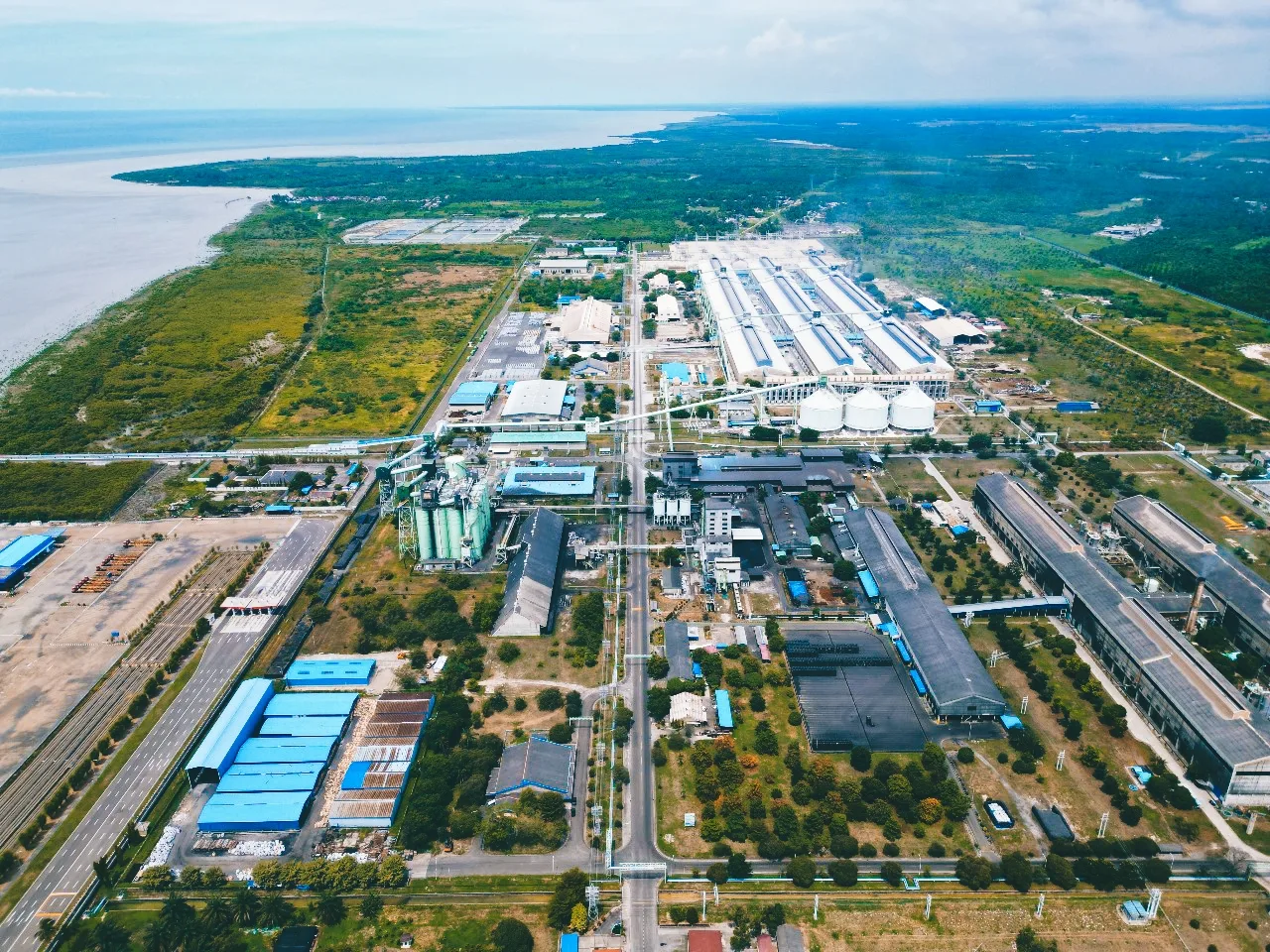
ASIATODAY.ID, JAKARTA — Indonesia’s downstream industrial transformation is entering a new phase as bauxite has emerged as the country’s leading investment driver, surpassing nickel in the second quarter of 2026.
The shift marks a significant milestone in Jakarta’s ambition to move beyond raw commodity exports and develop a broader industrial ecosystem built on value-added processing, advanced manufacturing, and global supply chain integration.
Investment and Downstreaming Minister/Head of the Investment Coordinating Board (BKPM) Rosan Perkasa Roeslani said Indonesia recorded IDR152.7 trillion (around US$9.3 billion) in downstream investment realization during the April–June 2026 period.
The figure represented 29.8 percent of Indonesia’s total national investment realization in the second quarter and grew 5.7 percent year-on-year, reflecting sustained investor confidence in the country’s industrial strategy.
“Bauxite is now number one. Previously, nickel was always the largest sector. This shift is happening because several bauxite development projects are being built by both domestic and international investors,” Rosan said.
Indonesia Moves Beyond Nickel-Centric Downstreaming
Nickel has been the cornerstone of Indonesia’s downstream success story, particularly as global demand for electric vehicle (EV) batteries continues to rise.
Over recent years, Indonesia has built an increasingly integrated nickel ecosystem — from ore processing and nickel products to battery materials, cell manufacturing, battery packs, and recycling facilities.
The achievement has positioned Indonesia as a key player in the global EV supply chain.
However, the government is now seeking to expand the same industrial approach to other strategic commodities, with bauxite becoming one of the fastest-growing sectors.
Indonesia is also accelerating downstream development in commodities such as palm oil derivatives, rubber, timber, and silica sand to create wider industrial opportunities.
Bauxite Adds New Momentum to Asia’s Industrial Supply Chain
The rise of bauxite investment reflects Indonesia’s effort to strengthen its role in Asia’s industrial landscape, particularly in aluminum-based industries supporting infrastructure development, renewable energy, transportation, and advanced manufacturing.
By processing more resources domestically, Indonesia aims to capture greater economic value, expand industrial employment, and build stronger links with global investors.
The strategy comes amid growing competition among countries to secure critical materials and establish resilient supply chains for future industries.
A Broader Vision for Indonesia’s Industrial Future
Rosan said Indonesia’s downstream program remains a long-term transformation agenda, with many sectors still progressing from early-stage processing toward more advanced industrial capabilities.
The government’s blueprint focuses on developing integrated industrial ecosystems, attracting quality investment, and strengthening Indonesia’s position as a manufacturing and supply chain hub in Asia.
The emergence of bauxite as a new investment leader signals that Indonesia’s downstream strategy is entering a broader chapter — one that moves beyond a single commodity and toward a diversified, high-value industrial economy.
With its abundant resources and expanding industrial capacity, Indonesia is positioning itself as a strategic partner in Asia’s next generation of manufacturing and mineral-based industries. (AT Network)
Follow Us at Google News, Instagram and LinkedIn