
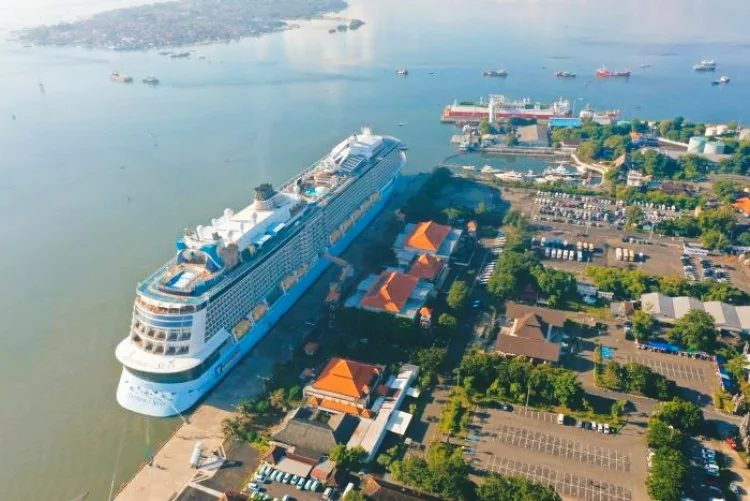
ASIATODAY.ID, DENPASAR — Indonesia is positioning Bali as a future maritime tourism powerhouse in the Asia Pacific through the development of the Bali Maritime Tourism Hub (BMTH) at Benoa Port, a strategic project aimed at attracting global cruise operators, luxury yachts, and high-value international travelers.
The transformation of Benoa Port reflects Indonesia’s broader ambition to move beyond conventional tourism and build a premium maritime economy based on world-class infrastructure, sustainable development, and integrated coastal destinations.
Coordinating Minister for Infrastructure and Regional Development Agus Harimurti Yudhoyono (AHY) inspected the progress of BMTH development on Tuesday, July 21, 2026, calling for faster regulatory reform, integrated spatial planning, and stronger coordination among government institutions to accelerate the project.
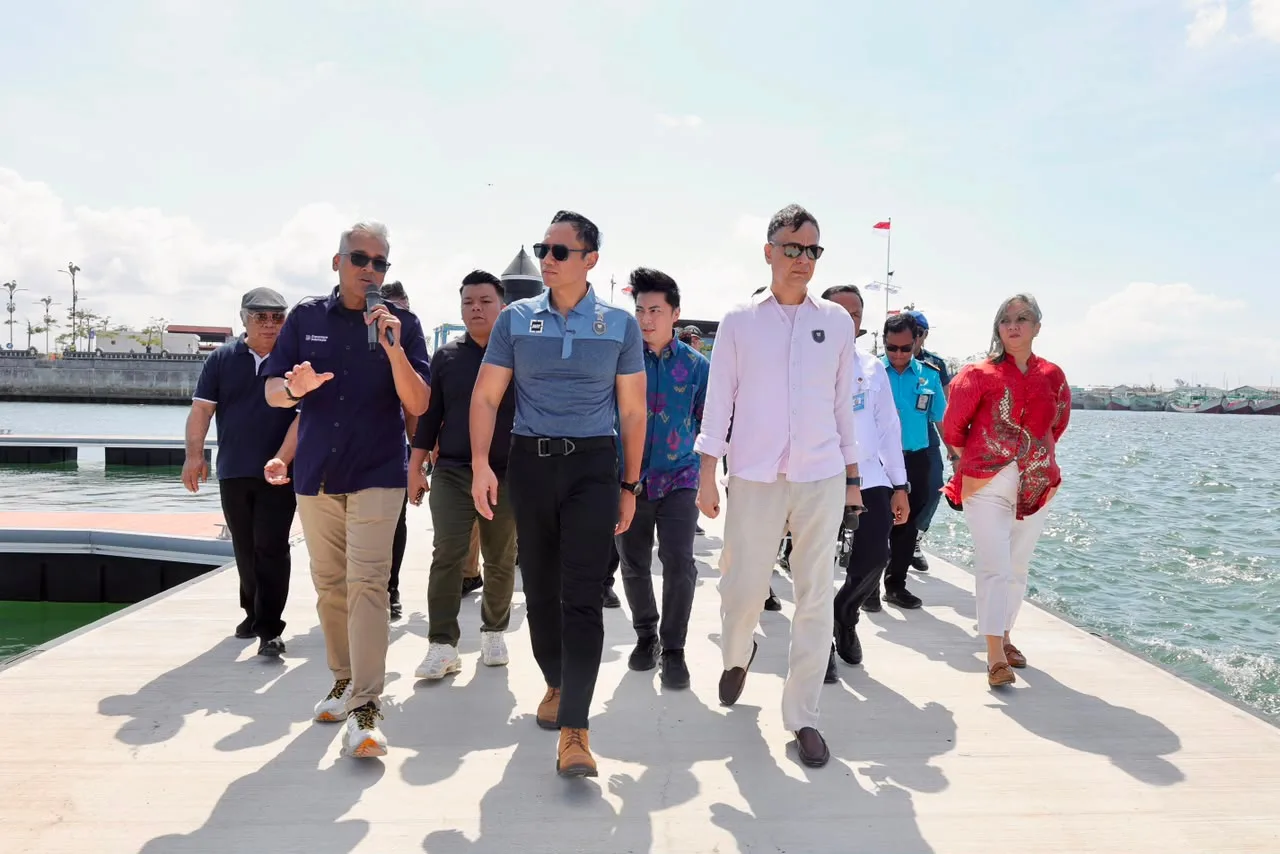
“BMTH is an important part of strengthening Indonesia’s tourism sector and maritime economy. The government has provided support through strategic investment, and every stage of development must be completed in an integrated manner so the benefits can reach communities and the national economy,” AHY said.
A New Maritime Gateway for Global Travelers
The first development area of BMTH will become an international Marina District, designed to accommodate up to 188 yachts, including super yachts and mega yachts, with facilities supporting vessels of up to 90 meters in length.
The district will include entertainment areas, lifestyle facilities, public spaces, green zones, and tourism infrastructure designed to meet international standards.
The project is expected to strengthen Benoa Port’s role as a regional gateway for cruise tourism, connecting Bali with major maritime destinations across Southeast Asia and the wider Asia Pacific.
Cruise Tourism Growth Drives Expansion
Benoa Port has already emerged as one of Indonesia’s key cruise destinations.
In 2025, the port welcomed 65 international cruise ships, an increase of 16 percent from the previous year. International visitors arriving through cruise services reached approximately 146,000 passengers, growing 36 percent year-on-year.
The government expects BMTH to capture a larger share of the rapidly expanding luxury cruise and yacht tourism market by offering an integrated destination combining maritime facilities, hospitality, entertainment, and cultural experiences.
Building a Sustainable Maritime Economy
A major part of the transformation involves reorganizing port activities, including the gradual relocation of fishing vessels to support safer navigation and more efficient maritime operations.
The government is preparing the relocation of fishing activities to the future Pengambengan Fishing Port, allowing Benoa to optimize its role as an international marina and cruise facility.
Pelindo said the restructuring aims to create a safer, more orderly, and internationally competitive port environment where different maritime activities can operate sustainably.
AHY emphasized that BMTH development must maintain a balance between economic growth, environmental protection, and Bali’s cultural identity.
“BMTH development will prioritize sustainability, consider community aspirations, and follow spatial planning regulations,” he said.
Indonesia’s Maritime Tourism Ambition
As the world’s largest archipelagic nation, Indonesia has enormous potential to become a global maritime tourism center.
With Bali’s strong international brand, BMTH is expected to transform Benoa into one of Southeast Asia’s leading marina destinations while creating new opportunities for investment, employment, and local economic growth.
The project represents Indonesia’s ambition to establish a new generation of tourism infrastructure — one that connects global travelers with the country’s maritime wealth while strengthening its position as a major player in the Asia Pacific tourism landscape. (AT Network)
Follow Us at Google News, Instagram and LinkedIn