
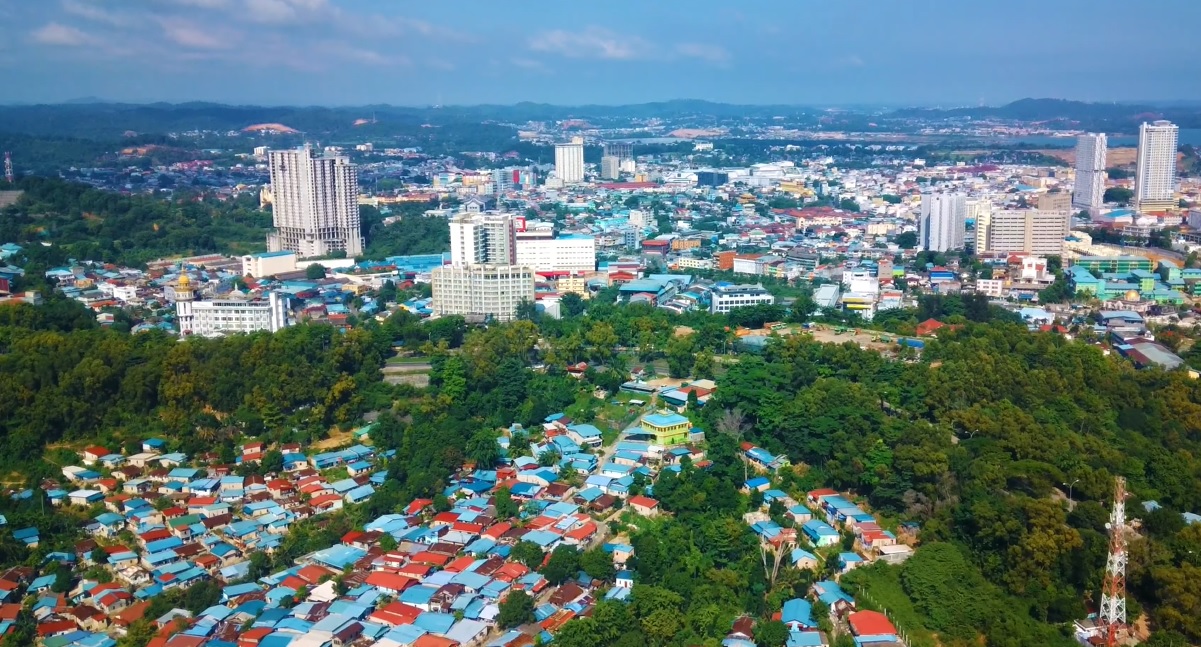
ASIATODAY.ID, BATAM – The Indonesian government is paving the way for Batam to become a key hub for the development of artificial intelligence (AI)-based industries.
This strategic direction was highlighted during a Focused Group Discussion (FGD) themed “Strengthening the Electronics Industry as a Foundation for AI Development in Indonesia,” held in Batam on Thursday, July 10, 2025.
Deputy Minister of Industry Faisol Riza emphasized that Batam has strong industrial infrastructure and great potential to support the development of an AI industrial zone.
“Batam has the capacity to become one of the future centers for AI industry development,” said Faisol.
Currently, Batam is home to 19 active industrial estates, several of which already house companies engaged in electronics manufacturing—key components in AI development. During his site visit to various companies in the area, Faisol observed firsthand the region’s readiness to support high-tech industrial growth.
He noted that Batam hosts major players in the telematics sector and global suppliers of gadget components. Notably, one site is planned to become a factory partner in Apple’s supply chain, set to manufacture AirTags.
“This is solid proof of Batam’s immense potential to become a high-tech manufacturing base,” he added.
Positioning Batam as the National AI Industry Flagship
Deputy Minister of Communication and Digital Affairs Nezar Patria echoed this sentiment, stating that Batam has long been a front-runner in the telecommunications device and digital services industries. Its strategic location and well-established infrastructure make it ideal for becoming a national AI industry hub.
“Batam could serve as the nation’s flagship for producing telecommunications devices and digital services. It is crucial to build AI industry infrastructure here,” said Nezar.
Similarly, Faizal Rochmad Djoemadi, Director of IT Digital at PT Telkom Indonesia, highlighted the importance of strengthening vertical industries—particularly in manufacturing—as Batam moves forward with AI.
He also stressed the need to manage risks such as data privacy breaches while maximizing the opportunities of AI development.
The FGD marked a significant first step in aligning cross-sector perspectives, including those of government, industry players, and state-owned enterprises (SOEs), to position Batam as a leading hub for AI-driven industrial transformation in Indonesia.
According to an analysis by Kearney, the implementation of AI in Indonesia is projected to contribute up to 12% of the national GDP by 2030, equivalent to USD 366 billion. This would make it the largest nominal contribution among ASEAN countries, underlining Indonesia’s vast digital economy potential.
To fully realize this potential, the government recognizes the urgent need to accelerate digital infrastructure development, enhance human capital, and establish supportive regulations to foster a sustainable AI ecosystem nationwide. (AT Network)
Follow Us at Google News and WA Channel