
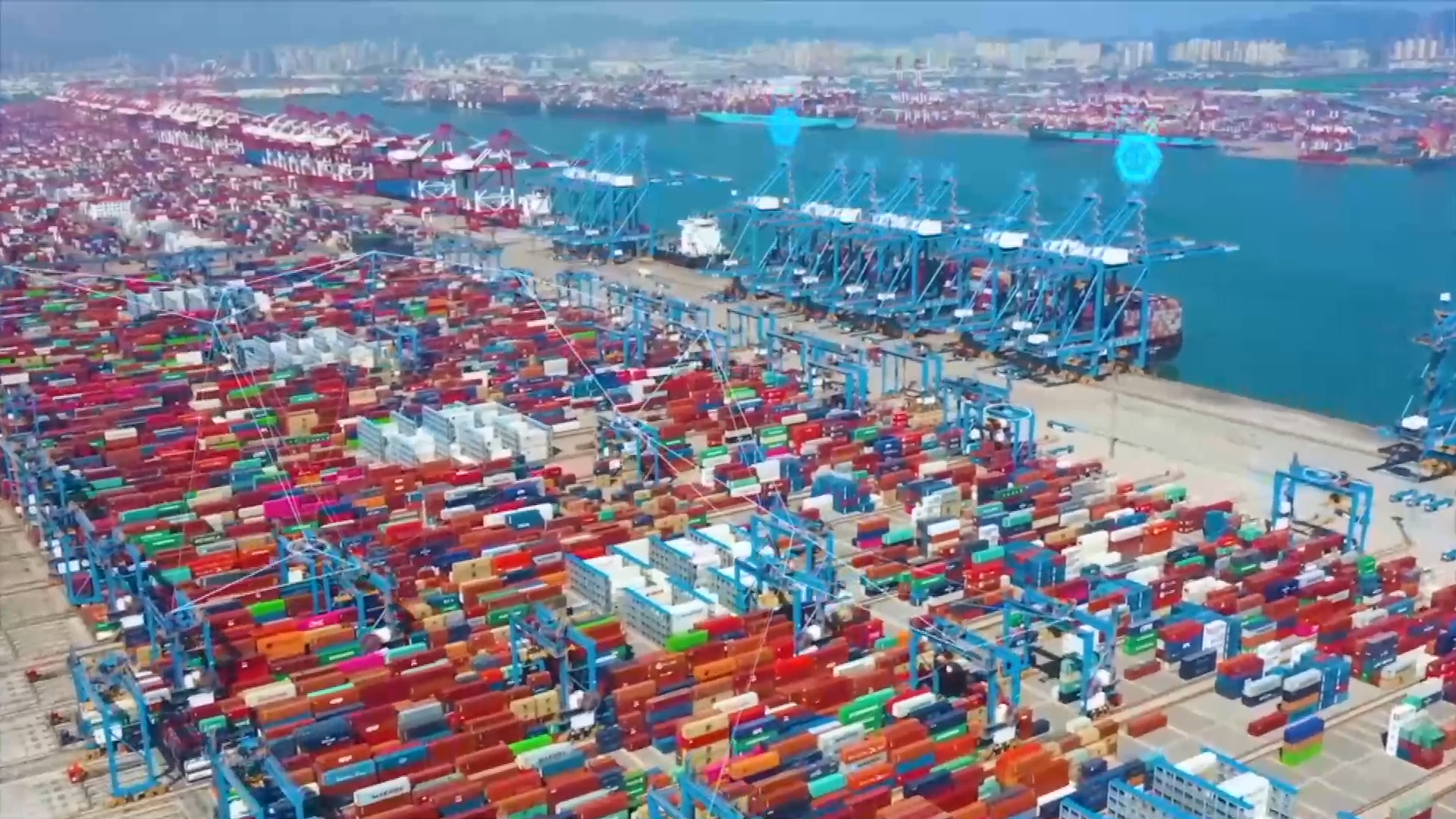
ASIATODAY.ID, JAKARTA – The International Monetary Fund (IMF) said that China’s economy is considered important for the Asia and Pacific region.
There were some signs of recovery in the first quarter but some risks remain.
Director of the Department of Asia and the Pacific, Krishna Srinivasan said that China’s first quarter 2024 gross domestic product had strengthened and the March 2024 readings for manufacturing and PMI were very strong. However, the property sector is still sluggish.
“A more protracted slowdown in China would be bad news for the region for several reasons,” he explained in a Press Briefing, Tuesday, April 30 2024.
The decline in export prices from China throughout the second half of 2023 has put pressure on the profit margins of regional competitors, such as Vietnam and Korea, which produce similar goods.
However, there is also a positive side, with strong policy support from the Chinese government, especially in overcoming problems in the property sector, which is expected to restore consumer confidence and increase domestic demand.
This can have a positive impact on countries in the region. On the other hand, an excessive increase in production capacity in China has the potential to exacerbate deflationary pressures and trigger friction.
The situation is exacerbated by global conflicts, such as attacks on cargo ships in the Red Sea which have led to rerouting and increased container prices.
“Shipping disruptions are very detrimental to Pacific Island countries, which are highly dependent on imports and are not connected to global shipping networks,” he said.
These frictions can amplify the impact of trade. Few regions have benefited from trade integration like Asia.
For this reason, he believes that geoeconomic fragmentation continues to be a big risk.
Meanwhile, in the latest Regional Economic Outlook Asia and Pacific report released Tuesday, April 30 2024, the IMF projects that China’s economy will grow by 4.6%, 0.4% higher than the projection in October 2023.
China’s economic projections for 2025 have not changed, namely 4.1%. (ATN)
Check out other news and articles at Google News and WA Channel