
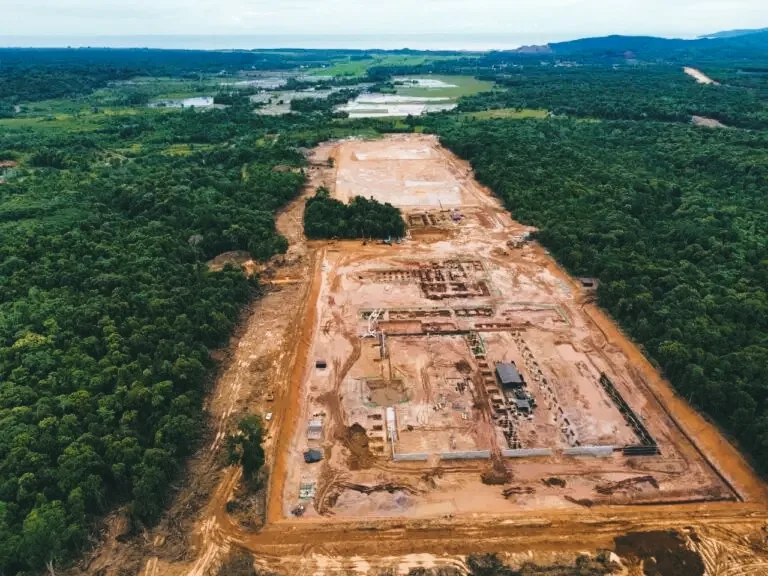
ASIATODAY.ID, JAKARTA — The Indonesian Forum for the Environment (WALHI) Southeast Sulawesi has expressed deep concern and growing anger over the mudflow floods that once again inundated Oko and Lamedai villages in Pomalaa District, Kolaka Regency.
The recurring disaster is clear evidence that intensive nickel industrial activities in the area have created a severe ecological crisis that continues to harm local communities and the environment.
According to WALHI’s field monitoring, the mudflow was triggered by extensive land clearing for the development of the Indonesia Pomalaa Industry Park (PT IPIP) and PT Vale Indonesia Tbk, carried out without adequate environmental safeguards.
The loss of forest cover and the sharp increase in sedimentation within the local watershed have reduced the river’s capacity to hold rainwater, resulting in overflow that has flooded homes and damaged farmland.
WALHI asserts that both companies have failed to comply with their obligations as stipulated in their environmental permits. Numerous commitments outlined in their licensing documents—ranging from land management requirements to ecosystem restoration measures—have been neglected.
As a consequence of this negligence, local residents are once again the victims. River water has turned into red mud, agricultural land has been destroyed, and clean water sources have become contaminated. WALHI stresses that this situation constitutes a serious violation of the community’s constitutional right to a clean and healthy environment.
“We have repeatedly warned that Pomalaa is on the brink of an ecological collapse. Every time it rains, communities must brace for mudflows triggered by corporate negligence. PT IPIP and PT Vale Indonesia have failed to respect their environmental permits and have blatantly disregarded public safety,” said Andi Rahman, Executive Director of WALHI Southeast Sulawesi in his statement on Thursday, November 13, 2025.
WALHI Southeast Sulawesi is urging both the central and local governments to take firm action: immediately halt all land clearing activities that violate permit conditions, conduct a comprehensive review of the environmental permits held by PT IPIP and PT Vale, and demand full environmental restoration and compensation for affected communities.
“The ecological disaster in Pomalaa must not be framed as a natural event. This is a direct consequence of industrial policies and practices that ignore public safety and environmental sustainability,” Andi Rahman concluded. (AT Network)
Follow Us at Google News and WA Channel