
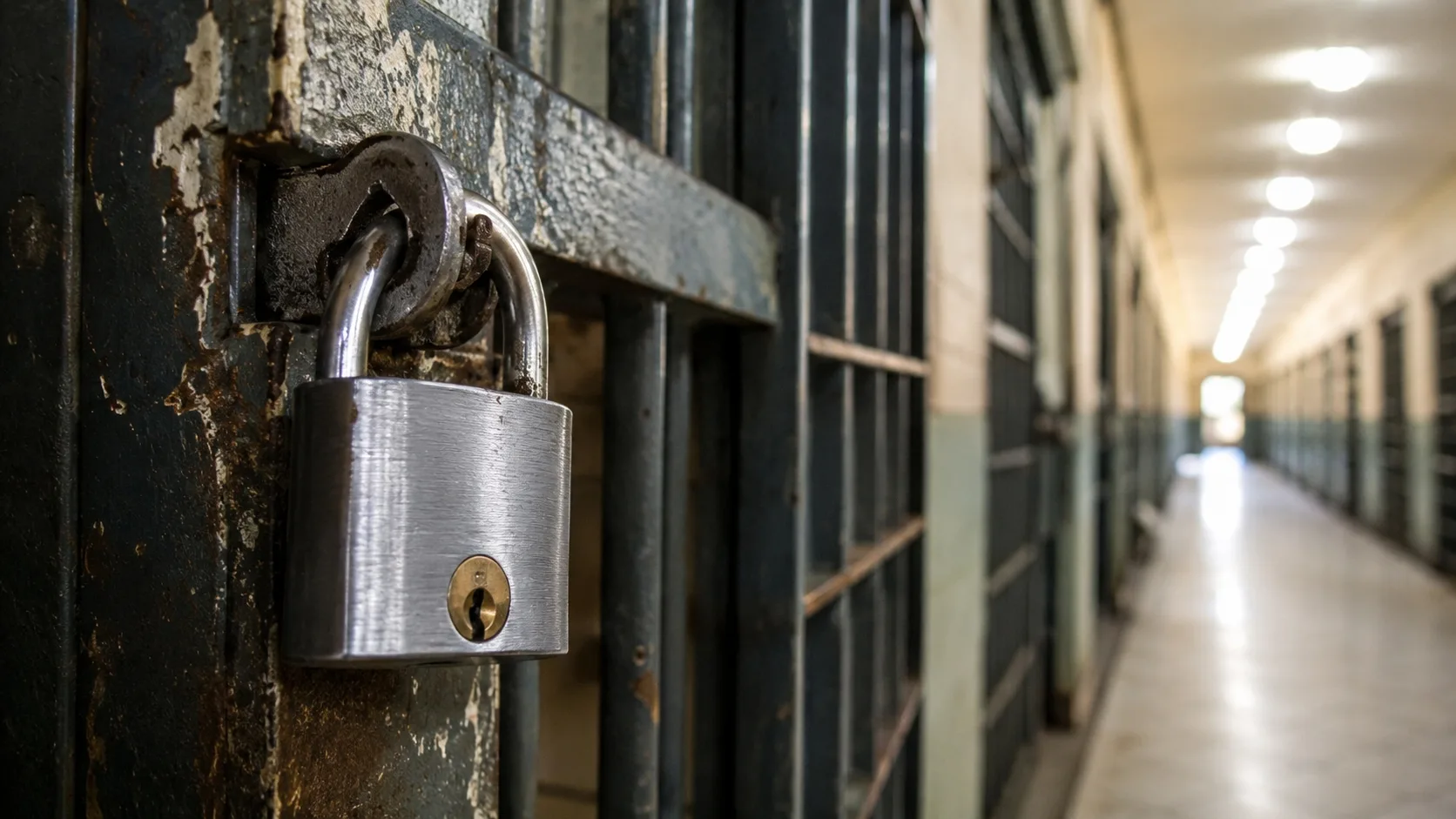
ASIATODAY.ID, JAKARTA – Indonesia’s Directorate General of Corrections (Ditjenpas) has defended a IDR92.5 billion (approximately US$5.7 million) prison lock procurement program after lawmakers called for an audit, saying the products are specialized high-security devices designed for correctional facilities rather than ordinary commercial padlocks.
The controversy emerged after members of Parliament questioned the procurement, noting that the unit price of each lock was close to IDR1 million (about US$60) and urging greater scrutiny of the purchasing process.
Responding on Saturday, Ditjenpas spokesperson Rika Aprianti said the locks were procured in accordance with technical standards governing Indonesia’s correctional facilities.
“The products procured are not ordinary locks intended for general use. They are specifically designed to support prison security systems and therefore must meet stringent technical specifications,” Aprianti said.
According to the agency, each lock must meet strict security requirements, including high-strength metal construction, corrosion resistance, protection against forced entry, and key mechanisms designed to prevent unauthorized duplication. The products must also undergo technical evaluation and durability testing before being approved for use in prisons and detention centers.
Ditjenpas said the procurement for the 2024 and 2025 fiscal years was conducted through Indonesia’s electronic government purchasing system (e-purchasing) using the National Public Procurement Agency’s electronic catalog, in accordance with national procurement regulations.
The agency said the procurement method was chosen to ensure transparency, electronic documentation, and supplier selection based on technical specifications while maintaining accountability.
Officials added that procurement quantities were determined after assessing operational requirements, including the number of security points, replacement needs for existing locks, and security priorities for prison cells, housing blocks, warehouses, and other restricted areas.
Before payment is authorized, every shipment is inspected to verify quantity, compliance with technical specifications, physical condition, locking performance, and the completeness of key sets, Ditjenpas said.
The agency maintained that the procurement was based on operational needs, correctional security standards, and the principles of transparency, efficiency, and accountability in public procurement.
Earlier, Indonesia’s House of Representatives Commission XIII member Pangeran Khairul Saleh called for an audit of the procurement program, arguing that the unit price of the locks appeared unusually high and warranted closer examination.
The Directorate General of Corrections said its clarification was intended to explain that the procurement complied with government regulations and reflected the specialized security requirements of Indonesia’s correctional system. (Silvia Andriani)
Follow Us at Google News, WA Channel, and LinkedIn