
ASIATODAY.ID, JAKARTA – The Indonesian government has decided to implement a moratorium on sheep meat imports to protect domestic farmers.
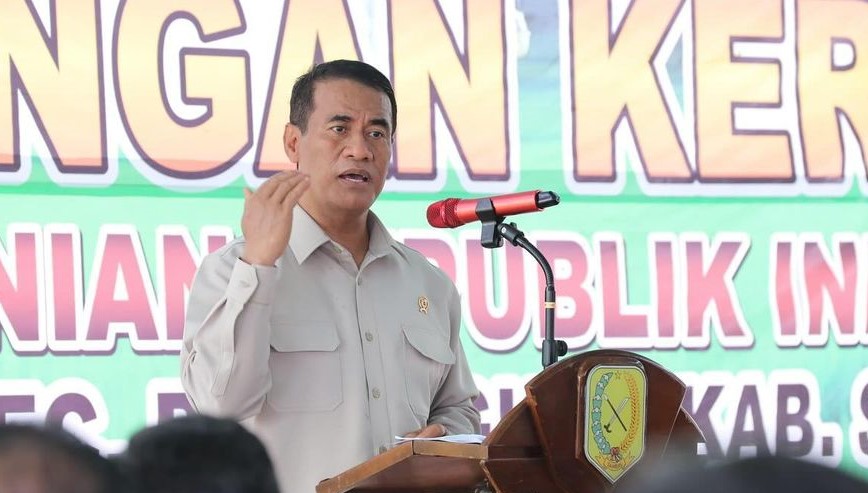
According to the Indonesian Minister of Agriculture, Andi Amran Sulaiman, this step is important to maintain the sustainability of people’s livestock businesses amidst the rise of cheap imported meat.
“We have temporarily stopped issuing import recommendations so that the price of imported lamb does not put pressure on domestic farmers. “This is our effort to protect breeders so that their businesses continue to run,” said Amran in his statement, quoted Tuesday, December 3 2024.
In line with this decision, the Indonesian Ministry of Agriculture since November 18 2024 has held an audience with the Indonesian Sheep and Goat Breeders Association (HPDKI). The government is also holding a National Consultation in Boyolali to absorb the aspirations of breeders.
The Ministry of Agriculture also carried out unannounced inspections on November 24 2024 at 13 importer warehouses to ensure compliance with applicable regulations. Then, in a meeting with meat importers on November 26 2024, the Ministry of Agriculture required importers to sign a stamped statement.
Amran said that the statement letter contained three main points, namely the obligation to report the realization of imports and stock periodically, a prohibition on distributing imported meat to Micro, Small and Medium Enterprises (MSMEs) such as restaurants and small traders, and a commitment to realize imports according to recommendations without disturbing local market.
“We do not compromise on the sustainability of people’s livestock businesses. “We designed this policy to protect local breeders who are the backbone of the livestock industry,” he stressed.
Apart from organizing domestic policies, the Ministry of Agriculture is also accelerating the harmonization of sheep and goat export regulations to Malaysia and Brunei.
According to Amran, this step aims to reopen international market access while absorbing domestic production surpluses.
“We are optimistic that this policy will be able to balance the needs of the domestic market, reduce dependence on imported meat, and strengthen the competitiveness of the national livestock subsector,” he added. (AT Network)
Follow Us at Google News and WA Channel