
ASIATODAY.ID, BANDAR LAMPUNG – Indonesia is entering a new era in managing its natural wealth through natural asset valuation.
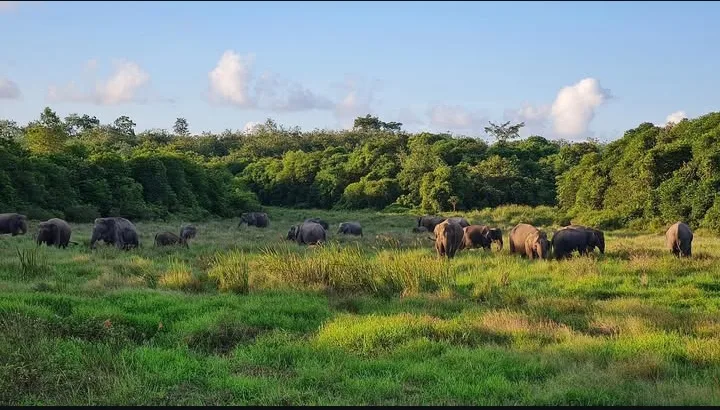
One of the country’s strategic pilot initiatives is the valuation project of Way Kambas National Park (TNWK) in Lampung, which forms part of the Nature Transition Support Programme (NTSP), a collaboration between the Indonesian and UK governments.
According to Nella Sri Hendriyetty, Senior Advisor for State Asset Optimization, NTSP is funded by the UK’s Department for Environment, Food and Rural Affairs (DEFRA) and inspired by the Dasgupta Review on the Economics of Biodiversity. The program aims to embed the value of nature more concretely into economic and development policymaking.
Cross-Ministry Collaboration
The NTSP in Indonesia is being implemented through a collaboration between the Ministry of Finance, the Ministry of Environment and Forestry (KLHK), the Ministry of Marine Affairs and Fisheries, and Bappenas (National Development Planning Agency).
Through an economic valuation framework, the government is assessing key ecosystem services, including:
forests and mangroves,
biodiversity,
carbon absorption,
hydrological benefits,
and ecotourism potential.
These values are being translated into measurable assets to inform fiscal policy and sustainable development planning.
Way Kambas: A Milestone in Natural Valuation
Since June 2025, a joint team from the Directorate of Valuation (DJKN), DJKN Lampung-Bengkulu Regional Office, and KPKNL offices in Bandar Lampung and Metro has conducted field surveys at Way Kambas National Park. The surveys cover carbon sequestration, biodiversity benefits, tourism potential, and the hydrological services that support surrounding communities.
The findings will be compiled into a Synthesis Report scheduled for release in late 2025. This report will not only highlight the initial valuation of Way Kambas but also provide replicable methodologies for other conservation areas across Indonesia.
Looking ahead, the government plans to calculate the Total Economic Value (TEV) of Way Kambas. The results will serve as the basis for a Policy Brief to be submitted to the Ministry of Finance, Bappenas, and KLHK as a foundation for ecosystem-based policymaking.
Embedding Nature into the National Economy
The Ministry of Finance emphasizes that natural asset valuation is not merely about numbers but about mainstreaming nature’s value into national policies, investment strategies, and development planning. In this way, forests, mangroves, and biodiversity are recognized not only as ecological treasures but also as strategic economic capital.
“We hope that the results of this valuation will not only remain as figures in a report but also become the foundation for fiscal policies and Indonesia’s transition to a green economy,” Nella stated.
By making Way Kambas a pioneering project, Indonesia aims to ensure that its natural wealth is managed not only for conservation but also as a source of public welfare and a meaningful contribution to global environmental sustainability. (MS)
Follow Us at Google News and WA Channel