
ASIATODAY.ID, GENEVA – The world spends billions of dollars claiming to protect nature. Yet at the same time, trillions are poured into economic activities that actively damage the environment. This stark contradiction lies at the heart of a new warning from the United Nations.
On Thursday, January 22, 2026, the UN issued a call for sweeping global financial reform, arguing that reshaping the world’s financial system is the most powerful lever to redirect markets toward a future that genuinely serves both people and the planet.
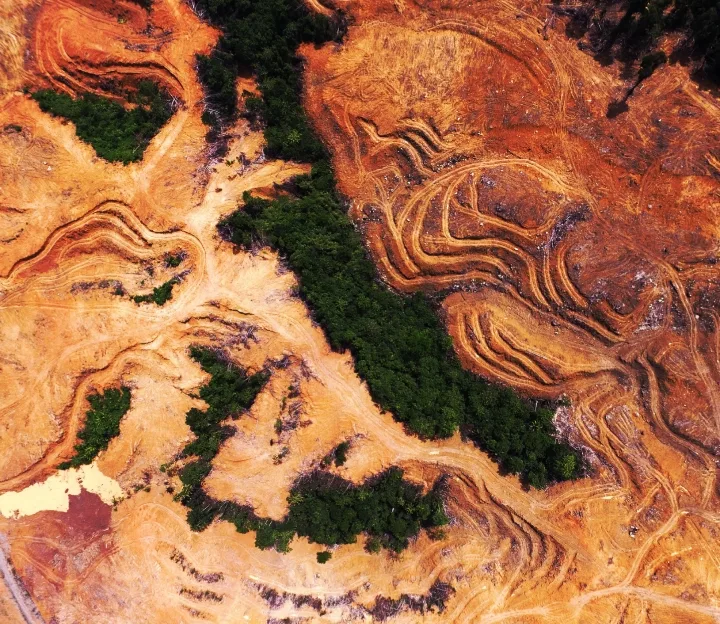
The numbers are damning. For every dollar invested in protecting nature, thirty dollars are spent destroying it—the central finding of the State of Finance for Nature 2026 report.
The study urges a fundamental policy shift to rapidly scale up nature-positive solutions that also strengthen economic resilience.
Subsidising Environmental Damage
The report identifies several sectors where environmental harm is most pronounced, including utilities, industrial manufacturing, energy, and basic materials.
Many of these industries benefit from environmentally harmful subsidies, particularly in: fossil fuels, agriculture, water, transport and construction.
“If you follow the money, you see the scale of the challenge before us,” said Inger Andersen, Executive Director of the UN Environment Programme (UNEP).
She warned that progress on nature-based solutions is being outpaced by a surge in destructive investments and subsidies.
“We can either invest in nature’s destruction or finance its recovery. There is no middle ground.”
Solutions Exist — Capital Is Misaligned
Despite the grim imbalance, the report outlines a vision for a “big nature turnaround”, highlighting solutions that are both environmentally effective and economically viable.
These include: greening urban spaces to counter heat-island effects and improve liveability; embedding nature into road and energy infrastructure; developing emissions-negative building materials.
The study also charts a pathway to phase out harmful subsidies, end destructive production-system investments, and scale up finance for nature-positive development.
Key Figures at a Glance
In 2023, an estimated US$7.3 trillion flowed into nature-negative activities.
In the same year, only US$220 billion supported nature-based solutions—most of it from public spending.
There are signs of progress: spending on biodiversity and landscape protection rose 11% between 2022 and 2023; international public finance for nature-based solutions in 2023 was 22% higher than in 2022, and 55% above 2015 levels.
The conclusion is unavoidable: the world does not lack solutions—it lacks the political and financial courage to invest in them. (AT Network)
Follow Us at Google News and WA Channel