
ASIATODAY.ID, JAKARTA — Jakarta’s ambition to stand among the world’s leading global cities is gaining momentum.
Governor Pramono Anung emphasized that strengthening the city’s sports and wellness ecosystem has become a central pillar of Jakarta’s long-term development strategy—positioning the capital as a vibrant, competitive, and future-ready global metropolis.
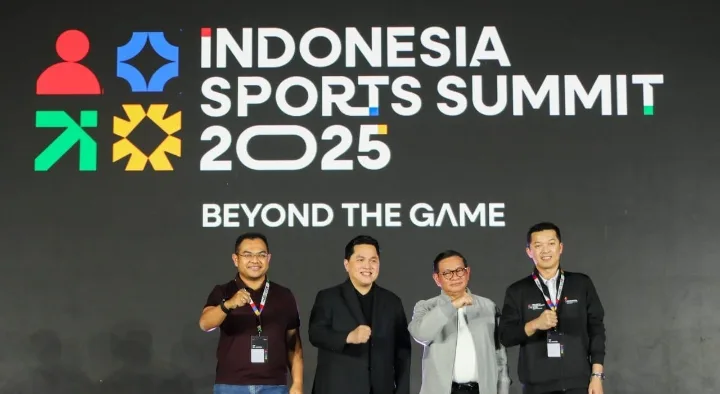
The commitment was delivered during the Indonesia Sports Summit 2025 at Indonesia Arena Senayan on Saturday, December 6, 2025, an event also attended by Indonesia’s Minister of Youth and Sports, Erick Thohir.
Global City Targets: Top 50 by 2030, Top 20 by 2045
Governor Pramono highlighted Jakarta’s ongoing improvements across key global indicators. One notable achievement is Jakarta’s rise in the Global City Index, climbing from rank 74 to 71.
“We have positioned the sports and wellness ecosystem as a strategic sector in the city’s development agenda,” Pramono said.
He stressed that this ecosystem is not only shaping healthier lifestyles but also creating new economic engines—from job creation and SME empowerment to attracting international investment.
Sport Tourism and Lifestyle Economy Becoming New Magnets
Jakarta is experiencing rapid growth in sport tourism, driven by a packed annual calendar featuring marathons, triathlons, e-sports tournaments, martial arts championships, futsal events, and international basketball competitions.
“Sports today are more than just competition—they are identity, lifestyle, and a multi-trillion-rupiah industry,” Pramono added.
This surge is also fueling the expansion of the sport lifestyle economy, including premium fitness centers, sports science clinics, athlete recovery facilities, and the booming sports apparel and equipment market.
Revitalizing Public Spaces Through Creative Financing
The city government is accelerating the revitalization of public spaces—transforming parks, youth arenas, sports halls, and community facilities into multifunctional hubs for active living.
However, Pramono underlined that such transformative projects cannot rely solely on the regional budget (APBD).
“We need creative financing models such as public–private partnerships, concession schemes, and shared management arrangements. This ensures sports facilities generate economic value, social benefits, and sustainable environmental impact,” he explained.
Key assets currently being upgraded include:
Bulungan Sports Hall (GOR Bulungan)
Blok S Field
Sunter Sports Complex and Reservoir Area
Jakpro-managed venues: Jakarta International Stadium (JIS), Jakarta International Velodrome (JIV), Jakarta International Equestrian Park (JIEP), and the Ancol area as emerging hubs for global sports and entertainment events.
Pramono noted how JIS, now home to Persija Jakarta, has become a growing attraction for visitors seeking a world-class stadium experience.
Integrated TOD and Multifunctional Urban Development
All emerging sports and recreational districts will be connected to Jakarta’s public transport network through Transit-Oriented Development (TOD). This approach ensures equitable access, improved mobility, and long-term environmental sustainability.
Governor Pramono concluded by emphasizing Jakarta’s readiness to engage with international investors, sports organizations, and global event partners.
“We are building a sports ecosystem that is healthy, resilient, and globally competitive. Collaboration is the key to achieving this vision,” he said. (AT Network)
Follow Us at Google News and WA Channel