
ASIATODAY.ID, TOKYO — World Bank Group President Ajay Banga and Japan’s Minister of Finance Satsuki Katayama on June 1, 2026 have agreed to deepen cooperation in helping developing countries build more resilient supply chains and energy systems, with the goal of unlocking investment, creating jobs, and driving long-term economic growth.
The two leaders signed an agreement launching the Resilient and Inclusive Supply-chain Enhancement Plus (RISE+) initiative and endorsed a new framework, the Dynamic Response for Invigorating Value Chains and Energy Security (DRIVE). Together, these programs expand Japan’s strategic partnership with the World Bank Group in strengthening critical minerals supply chains and enhancing regional energy security.
Expanding Support for Critical Minerals Supply Chains
Japan will establish RISE+, a new $20 million facility under its single-donor trust funds. The initiative will complement the existing Resilient and Inclusive Supply-Chain Enhancement (RISE) Partnership, launched during Japan’s G7 Presidency in 2023.
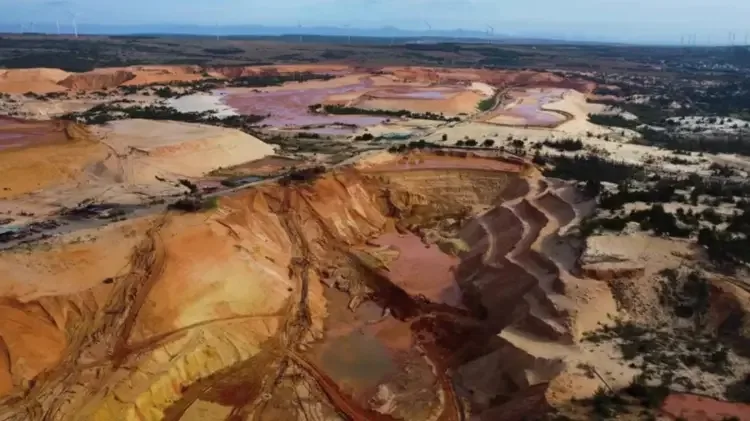
RISE+ aims to help developing countries transform rising global demand for critical minerals—including rare earth elements—into tangible public and private investments. The initiative will support infrastructure development, mobilize private capital, promote industrial growth, and create high-quality jobs, particularly through Country Compact frameworks.
By aligning public and private sector efforts, RISE+ seeks to help resource-rich nations convert their natural wealth into sustainable economic opportunities and long-term development.
Building Stronger Energy Resilience
The DRIVE framework complements POWERR Asia (Partnership on Wide Energy and Resources Resilience Asia), Japan’s $10 billion initiative designed to address fuel supply shortages and supply-chain disruptions across Asia resulting from geopolitical tensions and conflicts in the Middle East.
Through DRIVE, the World Bank Group—working alongside Japanese institutions such as the Japan Bank for International Cooperation (JBIC) and the Japan International Cooperation Agency (JICA)—will support the most affected countries in stabilizing their economies and strengthening energy resilience through sovereign financing and private-sector solutions.
The partnership will leverage the World Bank Group’s global expertise and Japan’s leadership in energy security to provide technical assistance, policy analysis, and capacity-building support. It will also help countries improve supply-chain management, strengthen crisis preparedness, and pool purchasing power to secure timely access to critical resources and energy supplies.
“We appreciate Japan’s leadership in enhancing critical minerals supply chain resilience through RISE+ and strengthening energy security through POWERR Asia,” said Ajay Banga, President of the World Bank Group.
“These initiatives will help countries turn growing demand for clean energy and critical minerals into investment, jobs, and economic opportunities that improve lives across developing economies.”
Japan’s Minister of Finance Satsuki Katayama said:
“Critical mineral supply chain diversification through RISE+, along with the promotion of resilient regional supply chains and energy transition in the Asia-Pacific through DRIVE, represents a win-win strategy. These initiatives contribute not only to high-quality job creation and sustainable economic growth in developing countries, but also to securing stable supplies for importing nations, including Japan. We welcome the opportunity to leverage the World Bank Group’s expertise and policy tools to advance these efforts.”
Driving Growth Through Resilient Supply Chains and Energy Systems
Together, RISE+ and DRIVE are designed to help developing countries convert growing global demand for critical minerals and clean energy into concrete public and private investments that stimulate industrial expansion and job creation.
By strengthening regional supply chains and enhancing energy resilience, both initiatives aim to support stable economic growth across developing economies—particularly in the Asia-Pacific region—while contributing to greater economic security for Japan and the global economy. (AT Network)
Follow Us at Google News and WA Channel