
ASIATODAY.ID, MEDAN — Southeast Asia’s palm oil powerhouses are strengthening regional cooperation to shape the future of one of the world’s most strategic commodities, as Indonesia, Malaysia, and Thailand move forward with a new sustainability framework under the Indonesia-Malaysia-Thailand Growth Triangle (IMT-GT).
The three countries have reached an agreement on the substance of a Memorandum of Understanding (MoU) on Palm Oil Cooperation, marking a significant milestone in efforts to develop a more productive, sustainable, and globally competitive palm oil industry.
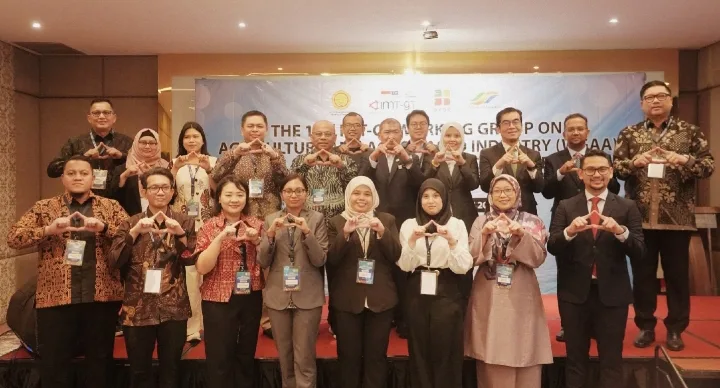
The agreement was achieved during the 4th Project Implementation Team (PIT) Palm Oil Cooperation Meeting, held as part of the 19th IMT-GT Working Group on Agriculture and Agribusiness (WGAA) Meeting in Medan, Indonesia.
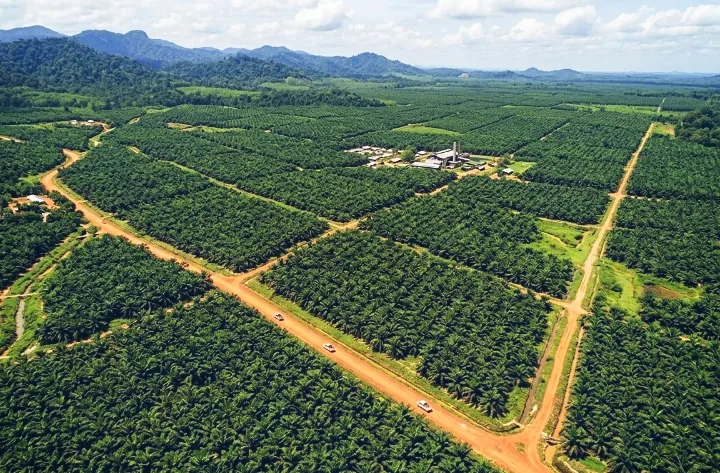
Together, Indonesia, Malaysia, and Thailand contribute approximately 87% of global palm oil production, giving the three nations a strategic role in maintaining global supply stability while responding to increasing demands for sustainable and responsible production.
Building a Future-Ready Palm Oil Industry
The planned MoU will serve as a foundation for cooperation in key areas, including productivity improvement, downstream development, traceability systems, sustainable cultivation practices, research and innovation, human resource development, and knowledge exchange.
The partnership reflects a broader regional effort to strengthen ASEAN’s position amid changing global market dynamics, climate challenges, and rising sustainability expectations from international consumers and trading partners.
Indonesia, Malaysia, and Thailand aim to develop a stronger palm oil ecosystem that combines economic growth with environmental responsibility and social inclusion.
Empowering Smallholders, Strengthening Inclusion
Beyond industrial competitiveness, the cooperation places significant attention on strengthening the role of smallholder farmers, who form an essential part of Southeast Asia’s palm oil value chain.
The three countries have highlighted the importance of sharing best practices and developing programs that improve farmer capacity, productivity, and welfare.
A regional initiative on oil palm smallholder empowerment has also been recognized as an important platform to translate cooperation into tangible benefits for farming communities.
ASEAN’s Strategic Commodity Diplomacy
The agreement represents a new chapter in ASEAN commodity diplomacy, positioning palm oil not only as an export product but also as part of the region’s green economy strategy.
The three countries are proposing the formal signing of the MoU during the 32nd IMT-GT Ministerial Meeting in September 2026, elevating the cooperation into a higher-level regional commitment.
As global markets increasingly demand sustainable and traceable commodities, Indonesia, Malaysia, and Thailand are seeking to demonstrate that productivity, sustainability, and inclusive growth can move forward together. (AT Network)
Follow Us at Google News, Instagram and LinkedIn