
ASIATODAY.ID, JAKARTA – Indonesia is entering a new chapter in managing its natural wealth, transforming its extraordinary biodiversity from a conservation priority into a strategic engine for green economic growth.
As global demand for sustainable investment and nature-based solutions continues to rise, Indonesia is positioning its forests, marine ecosystems, genetic resources, and unique species diversity as valuable natural capital capable of supporting innovation, investment, and long-term prosperity.
The government is strengthening biodiversity governance through scientific assessments, data integration, and new economic instruments designed to ensure that environmental protection can generate sustainable value for communities and businesses.
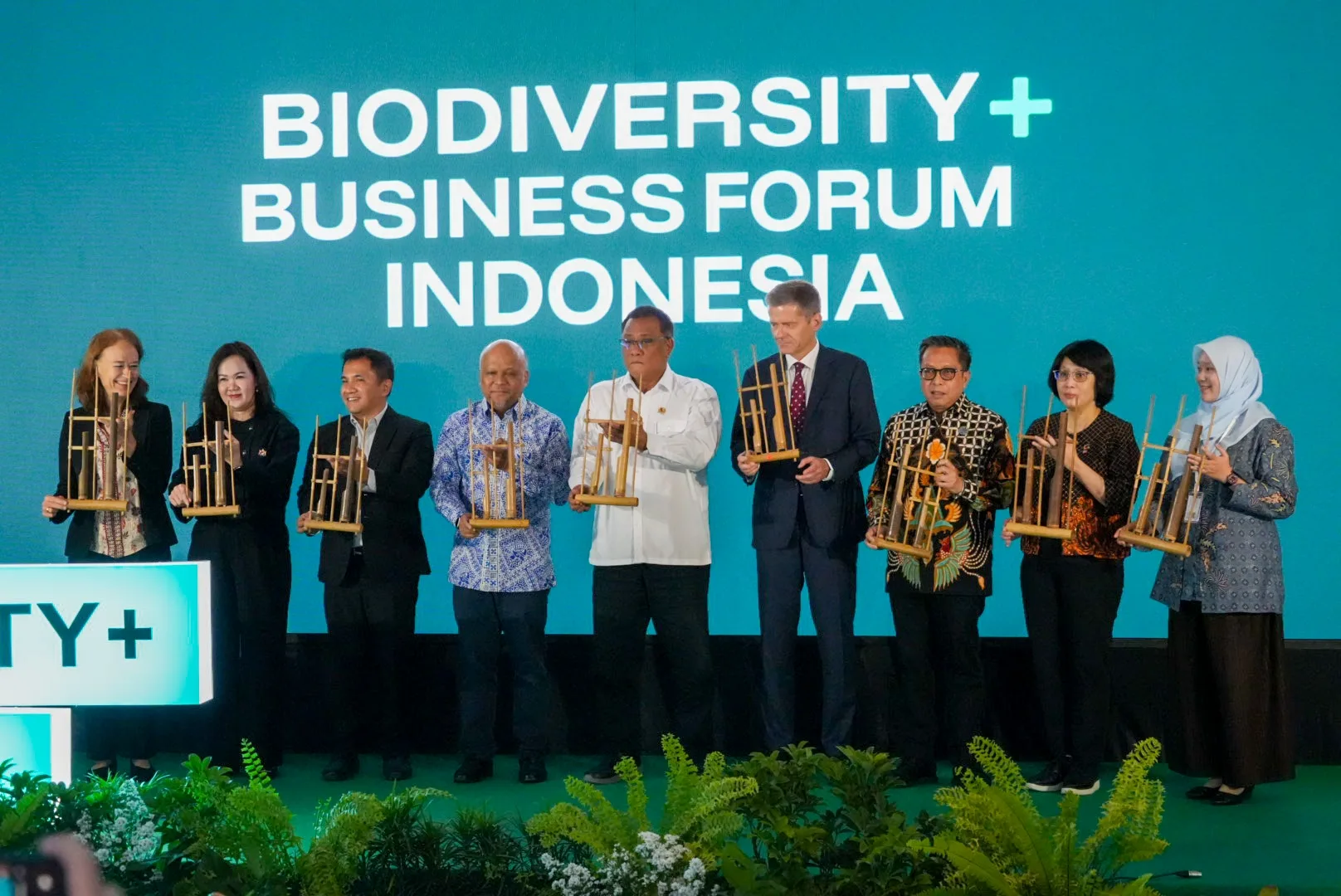
Minister of Environment and Head of the Environmental Control Agency Moh Jumhur Hidayat said Indonesia must become a leading player in the emerging biodiversity economy.
“Indonesia must become a key player in the growing green economy. Our biodiversity wealth should not simply become an asset managed by others. Indonesia must lead the development of a biodiversity-based economy,” Jumhur said.
A Wealth of Nature with Global Economic Value
Indonesia is one of the world’s most biodiverse nations, possessing ecosystems that represent a significant global environmental and economic asset.
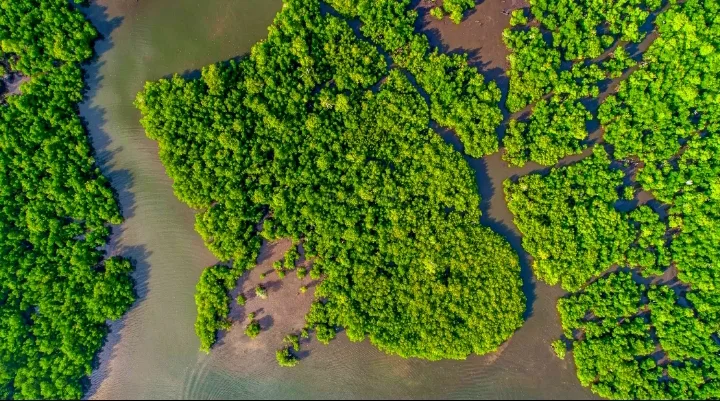
The country is home to approximately 120 million hectares of forest, 20 million hectares of peatland, more than 15 million hectares of karst ecosystems, 3.3 million hectares of mangroves, more than 2,000 natural lakes, and thousands of unique plant and animal species.
Beyond ecological value, these resources provide opportunities for future industries, including biotechnology, sustainable agriculture, pharmaceutical innovation, ecosystem restoration, and nature-based investment.
However, biodiversity loss caused by land-use changes, habitat pressures, and environmental degradation remains a major challenge.
To strengthen protection and management, Indonesia has launched biodiversity status assessments covering Papua, Bali–Nusa Tenggara, Java, and Maluku as a scientific foundation for future policy decisions.
The assessments provide comprehensive information on ecosystems, species, and genetic resources, helping policymakers and stakeholders develop more effective strategies for conservation and sustainable utilization.
From Conservation to Biodiversity Economy
Indonesia is now moving beyond traditional conservation approaches by developing mechanisms that allow biodiversity protection to create measurable economic value.
One of the key initiatives is the development of Biodiversity Credit, an innovative financing instrument aimed at encouraging investment in ecosystem protection and restoration.
The mechanism is expected to open new opportunities for businesses, financial institutions, and investors seeking sustainable assets while supporting nature-positive projects.
The initiative is part of Indonesia’s Biodiversity Strategy and Action Plan (IBSAP) 2025–2045, which aligns with the global Kunming-Montreal Global Biodiversity Framework (KMGBF).
The government is also preparing policies on access and benefit-sharing from genetic resources to ensure biodiversity utilization delivers fair economic benefits while maintaining ecosystem integrity.
International Partnerships Drive Sustainable Future
Global partners have recognized Indonesia’s biodiversity as an asset with significance beyond national borders.
Germany’s Head of Mission to Indonesia, ASEAN and Timor-Leste, Thomas Graf, highlighted the role of biodiversity in strengthening food security, economic resilience, and future prosperity.
“Biodiversity is the foundation of food security and the economy. If managed responsibly, Indonesia’s biodiversity can support innovation, investment, and sustainable development for future generations,” Graf said.
The transformation is supported through the Climate Impact Response and Biodiversity Management (ClimB) Programme, implemented by GIZ on behalf of the German Government through the International Climate Initiative (IKI).
The programme supports cooperation between Indonesian ministries, research institutions, businesses, and international partners to strengthen biodiversity policies and integrate nature protection into national development planning.
Indonesia’s Next Green Growth Opportunity
Indonesia is also developing the Indonesia Biodiversity Data Centre (IBC) to integrate biodiversity information from government agencies, research institutions, and stakeholders.
The platform will strengthen science-based policymaking while creating a foundation for future biodiversity-related investments.
As global economies accelerate their transition toward sustainability, Indonesia’s biodiversity could become one of the country’s most valuable strategic advantages.
From tropical forests and mangroves to marine ecosystems and genetic resources, Indonesia’s natural wealth is no longer viewed only as something to preserve — but as a foundation for a new era of green growth.
Indonesia’s biodiversity is becoming more than a national treasure. It is emerging as a global asset for sustainable development, innovation, and investment. (Midwan)
Follow Us at Google News, Instagram and LinkedIn