
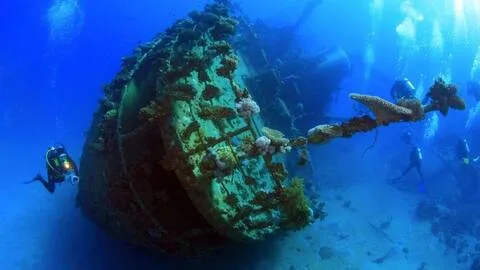
ASIATODAY.ID, JAKARTA — Indonesia and China are strengthening their strategic cooperation in the management of underwater maritime heritage, particularly the conservation and research of Sunken Ship Cargo Objects (BMKT) found across Indonesian waters. The initiative marks a new chapter in maritime collaboration between the two nations.
A delegation from Indonesia’s Ministry of Marine Affairs and Fisheries (KKP) recently conducted an official visit to China at the invitation of the Hainan Provincial Institute of Cultural Relics and Archaeology. The mission included field visits to world-class underwater archaeology projects in Yangjiang (Guangdong), Shanghai, and Sanya (Hainan).
During the visit, the Indonesian delegation observed prominent archaeological sites such as the Nanhai No. I Shipwreck and the Yangtze River Estuary No. II Ancient Ship, both of which highlight China’s advanced capabilities in underwater research and conservation.
KKP’s Director of Marine Resources, Frista Yorhanita, emphasized that the partnership will play a key role in safeguarding marine ecosystems and strengthening Indonesia’s blue economy.
“Cross-country synergy is essential to ensure inclusive and sustainable economic growth while protecting the world’s marine ecosystems,” Frista stated in Jakarta on Saturday, November 15, 2025.
90% of Indonesia’s Underwater Artefacts Originate from China
Approximately 90% of BMKT artefacts discovered in Indonesian waters consist of Chinese ceramics, underscoring centuries of maritime trade between the two nations.
These findings present vast opportunities for: collaborative archaeological research, evidence-based maritime diplomacy, and the development of cultural-based marine economy initiatives.
Indonesia’s Contribution to Global Marine Innovation Forums
Frista also served as a keynote speaker at several major international forums, including: the Hainan Free Trade Port International Science and Technology Innovation Cooperation Forum (ISTICF), the Deep-Sea Technology Innovation Conference (DSTIC), and the Underwater Archaeology and Marine Heritage Forum in Sanya.
She highlighted the importance of technological innovation in mapping and managing marine resources such as renewable energy, marine biotechnology, salt, and underwater cultural heritage.
Frista further noted that Indonesia–China cooperation will not only strengthen cultural and historical preservation but also unlock new economic opportunities through: in-situ conservation of BMKT, marine ecological education, and coastal community empowerment.
Building Indonesia’s Ocean Big Data and Decision Systems
Indonesia is currently developing an integrated Ocean Big Data system and an Ocean Accounting Command Center to enhance data-driven monitoring and decision-making in marine resource management.
These efforts align with the Ministry’s Blue Economy Policy, which prioritizes: the expansion of marine conservation areas, quota-based measurable fisheries, and stronger marine pollution control.
Strengthening Indonesia’s Blue Diplomacy
The visit is expected to boost Indonesia’s position as a global maritime hub while expanding technical cooperation in underwater heritage conservation with China.
“This collaboration is a crucial momentum to advance Indonesia’s blue diplomacy, protect global maritime heritage, and generate sustainable economic benefits for coastal communities,” Frista concluded.
The initiative is firmly aligned with the vision of Minister of Marine Affairs and Fisheries, Sakti Wahyu Trenggono, to advance a blue economy model that balances ecological sustainability and coastal community welfare. (AT Network)
Follow Us at Google News and WA Channel