
ASIATODAY.ID, BANGKOK – More than a decade after Asian and Pacific nations launched a campaign to ensure every life is counted, millions across the region still remain “invisible” – born, living, and dying without formal recognition.
Now, governments have committed to close that gap by 2030.
At the conclusion of the Third Ministerial Conference on Civil Registration and Vital Statistics in Asia and the Pacific, leaders adopted a renewed declaration to strengthen national civil registration systems – the foundational mechanisms that register births, deaths and other vital events.
The move extends the regional “CRVS Decade” initiative, first launched in 2014, into a new phase aligned with the Sustainable Development Goals (SDGs), especially target 16.9 on ensuring legal identity for all.
“These numbers are more than statistics, they represent lives without legal recognition and families left without support,” said Armida Salsiah Alisjahbana, the Executive Secretary of the UN Economic and Social Commission for Asia and the Pacific (ESCAP), which convened the forum.
“This week has been a powerful call to action. We have seen inspiring examples of countries reaching the most marginalized, embracing digital innovation and strengthening legal and institutional frameworks.”
More than statistics
Civil registration and vital statistics (CRVS) systems are essential to establishing legal identity, accessing services, and ensuring inclusion in public policy.
A birth certificate can mean access to healthcare, education and social protection.
A death certificate enables families to claim inheritance, pensions and other rights.
Without these critical documents, individuals – especially women, children and rural populations – risk exclusion, vulnerability, and injustice.
Uneven progress
According to a recent ESCAP report, the region has made remarkable gains since 2012 – the number of unregistered children under five has fallen by over 60 per cent, from 135 million to 51 million.
As of 2024, 29 countries now register more than 90 per cent of births within a year, and 30 do the same for deaths. The number of countries publishing civil registration-based vital statistics nearly doubled in that period.
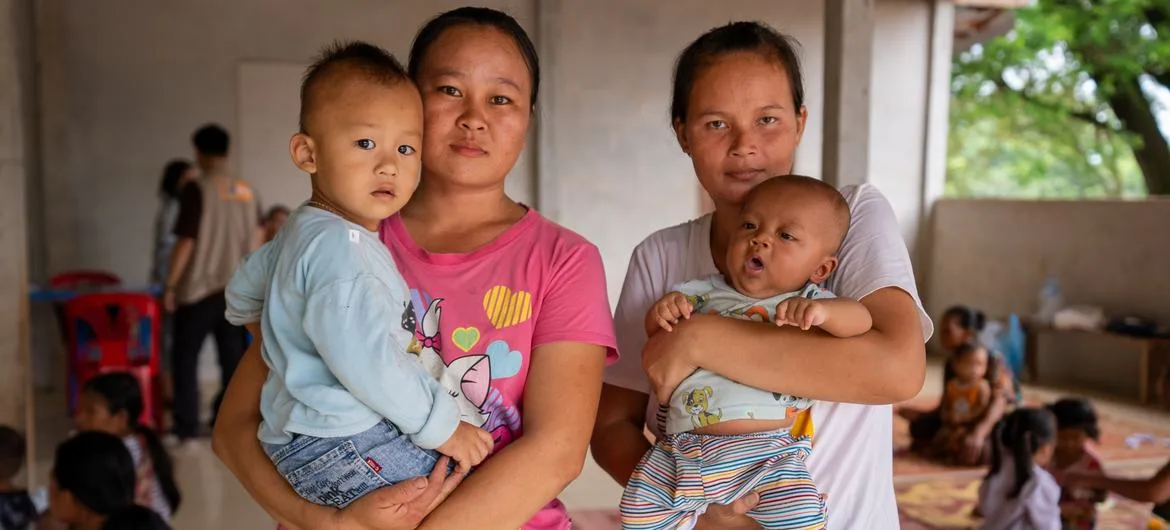
However, progress remains uneven – about 14 million children in the region reach their first birthday without having their birth registered. And 6.9 million deaths go unrecorded annually, particularly those that occur outside health facilities or in remote areas.
Many countries still face gaps in certifying and coding causes of death, hampering disease surveillance and public health responses, as seen during the COVID-19 pandemic.
Get everyone in the picture
The new Ministerial Declaration calls for universal and responsive CRVS systems that are inclusive, digitally enabled and resilient.
It emphasizes gender equity in registration, legal protections for personal data, and continuity of services during emergencies.
Governments also pledged to increase training, expand community outreach and improve cause-of-death reporting – including through verbal autopsies and improving certification systems.
“Everyone counts. Data saves lives,” Ms. Alisjahbana said, “legal identity is a right, not a privilege. No one should be left behind – simply because they were never counted in the first place.”
“Let us finish what we started. Let us get everyone in the picture and ensure every life truly counts.” (AT Network)
Follow Us at Google News and WA Channel